Showing all 5 resultsSorted by popularity
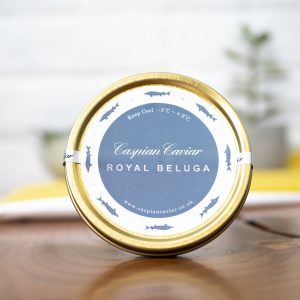
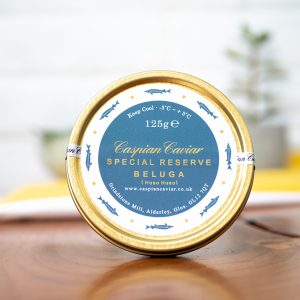
We stock two excellent beluga caviars. The royal beluga, introduced to our range in 2013 has a superb burst of upfront flavour with egg size 3mm – 3.5mm, dark in colour. The special reserve beluga is a pure huso huso with eggs 3.55mm in size, grey in appearance and characterised by more creaminess and a lingering taste. Both are excellent and it’s a question of personal preference!
What is Beluga Caviar and Where Does It Come From?
Beluga caviar is one of the world’s most sought-after luxury foods, prized for its large, delicate pearls and rich buttery flavour. By definition, beluga caviar comes from the Beluga sturgeon fish — not from whales, despite common searches for “beluga whale caviar.” If you’ve ever wondered what kind of fish beluga caviar comes from, it is harvested from the Huso huso sturgeon, a species historically found in the Caspian and Black Sea regions.
Today, due to conservation regulations, most premium beluga caviar origin sources are sustainable sturgeon farms across Europe and the Middle East. For customers asking where beluga caviar comes from or where is beluga caviar from, modern farmed production helps preserve wild sturgeon populations while maintaining exceptional quality.
What Are the Cost Considerations Around Beluga Caviar?
The price of beluga caviar is influenced by rarity, maturation time, sustainability practices, and grading quality. Beluga sturgeon can take up to 20 years to mature, which significantly increases the beluga sturgeon caviar cost compared to other varieties.
Many customers researching the cost of beluga caviar are surprised to learn that harvesting and production require extensive expertise, strict environmental controls, and careful handling. This is also why beluga caviar is so expensive compared with other roe products on the market.
When comparing beluga vs osetra caviar, Beluga is generally softer, creamier, and more exclusive, while Osetra offers a firmer texture and nuttier profile at a lower price point.
Different Types of Beluga Caviar
Not all Beluga caviar looks the same. While black caviar Beluga remains the most recognisable style, colour variations can range from deep charcoal and silver-grey to lighter platinum hues depending on the age of the fish and grading quality.
Premium caviar Beluga fish roe is typically classified by pearl size, colour consistency, texture, and flavour complexity. Lighter-coloured Beluga caviar is often considered especially rare and can command a higher market value.
For those searching for a trusted Beluga caviar online shop, understanding these grading differences can help you select the ideal variety for gifting, entertaining, or fine dining experiences.
What Does Beluga Caviar Taste Like?
If you’re wondering what does beluga caviar taste like, Beluga is celebrated for its exceptionally smooth, buttery character and delicate finish. The pearls are larger and softer than many other caviar varieties, delivering a clean ocean freshness without overpowering saltiness.
The flavour profile is often described as creamy, mildly nutty, and subtly briny with a lingering richness that develops gradually on the palate. Compared with other premium sturgeon roe, Beluga offers a more refined and velvety tasting experience.
What Recipes Can You Make with Beluga Caviar?
Beluga caviar recipes are typically designed to let the caviar shine as the hero ingredient. Traditional serving suggestions include blinis with crème fraîche, lightly buttered toast points, or chilled potatoes topped with a small spoonful of caviar.
For modern entertaining, Beluga caviar pairs beautifully with oysters, sushi, pasta with cream sauce, or softly scrambled eggs. Because of its delicate texture, chefs generally recommend serving Beluga caviar cold and avoiding excessive heat during preparation.
Customers searching for Beluga caviar near me often look for gourmet serving ideas alongside premium caviar selections, making recipe inspiration a valuable addition to any luxury food experience.