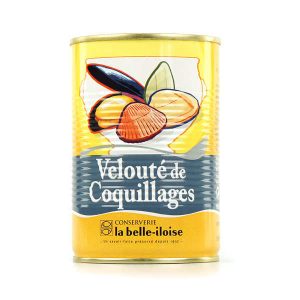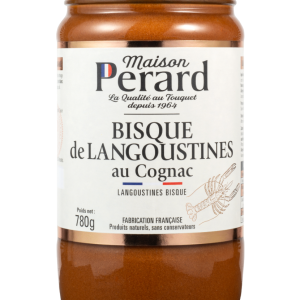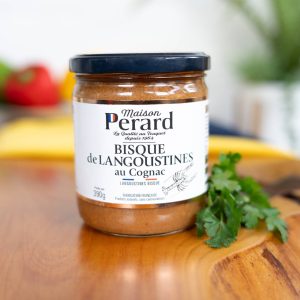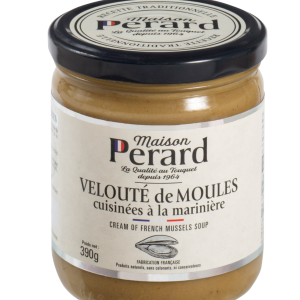
Find answers to the most common questions about French fish soup, including taste, ingredients, serving suggestions, nutrition, allergens, storage and more.
If you’re new to French fish soup or considering trying it for the first time, you probably have a few questions. From flavour and ingredients to serving suggestions and storage, we’ve answered some of the most common queries customers ask before buying.
What Is French Fish Soup?
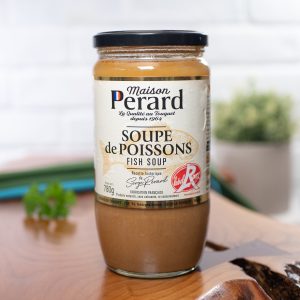
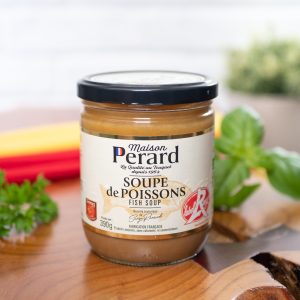
French fish soup, or soupe de poissons, is a traditional seafood soup made from fish, fish stock, vegetables, herbs and seasonings. Unlike chunky seafood stews, it is often blended and strained to create a smooth, velvety texture.
Originating in France’s coastal fishing communities, fish soup remains a popular dish throughout the country and is enjoyed as both a starter and a light meal.
What Does French Fish Soup Taste Like?
A good-quality French fish soup should be rich, savoury and full of seafood flavour without being overly strong or “fishy.”
Depending on the recipe, you may notice flavours such as:
- Tomato
- Garlic
- Onion
- Herbs
- Saffron
- Shellfish stock
- Roasted fish stock
The overall taste is balanced, warming and deeply satisfying.
Is French Fish Soup Very Fishy?
No. One of the biggest misconceptions about fish soup is that it has an overpowering fish flavour.
Authentic French fish soup should taste of the sea, but the flavour should be balanced by vegetables, herbs and stock. Premium recipes deliver depth and richness rather than an excessively fishy taste.
Is French Fish Soup Healthy?
French fish soup can be a nutritious addition to a balanced diet.
Many varieties provide:
- Protein from fish and seafood
- Omega-3 fatty acids
- Vitamins and minerals
- Relatively low levels of saturated fat
Nutritional values vary between recipes, so it’s always worth checking the product label for specific information.
Is Fish Soup High in Protein?
Fish soup can be a useful source of protein, particularly when made with a generous proportion of fish and seafood ingredients.
Protein helps support muscle maintenance and can contribute to feeling fuller for longer, making fish soup a satisfying meal option.
Is French Fish Soup Gluten-Free?
The soup itself is often gluten-free, but recipes vary by manufacturer.
If you have coeliac disease or a gluten intolerance, always check the ingredient list and allergen information before purchasing.
Remember that traditional accompaniments such as croutons typically contain gluten.
Does French Fish Soup Contain Dairy?
Most traditional French fish soups do not contain dairy in the soup itself.
However, dairy may be present in accompanying garnishes such as grated cheese or certain prepared sauces. Always refer to the product packaging for allergen details.
Does Fish Soup Contain Shellfish?
Some fish soups contain shellfish or shellfish-derived stock, while others are made exclusively from fish.
If you have a shellfish allergy, it is important to check the ingredients carefully before consuming any seafood-based soup.
Can Children Eat French Fish Soup?
Yes, many French fish soups are suitable for children.
The smooth texture and mild flavour can make them an appealing introduction to seafood. As with any food, check the ingredients for allergens and ensure the soup is served at a safe temperature.
How Is French Fish Soup Traditionally Served?
In France, fish soup is commonly served with:
- Rouille (a garlic and saffron sauce)
- Croutons
- Grated cheese
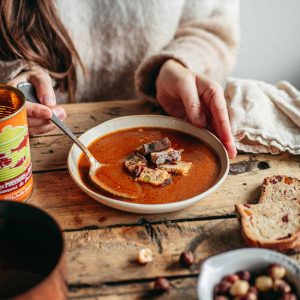
The croutons are spread with rouille, topped with cheese and added to the soup just before eating.
This traditional serving method adds texture and extra flavour to the dish.
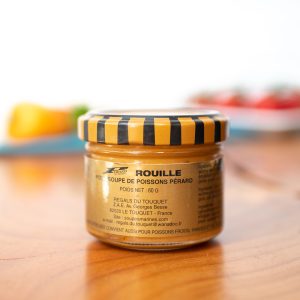
What Is Rouille?
Rouille is a classic French sauce often served with fish soup.
Made from garlic, olive oil, saffron and other seasonings, it has a rich, creamy texture and a distinctive flavour that complements seafood beautifully.
Many people consider rouille an essential accompaniment to traditional French fish soup.
Can You Eat Fish Soup as a Main Meal?
Absolutely.
While fish soup is often served as a starter in French restaurants, it can easily be enjoyed as a main course when paired with:
- Crusty bread
- Salad
- Cheese
- Seafood dishes
- Roasted vegetables
A generous bowl of fish soup can make a satisfying lunch or light evening meal.
How Do You Heat Ready-Made Fish Soup?
For the best results:
- Pour the soup into a saucepan.
- Heat gently over medium-low heat.
- Stir occasionally.
- Serve piping hot.
Avoid vigorous boiling, which can affect flavour and texture.
Always follow any heating instructions provided on the packaging.
Can You Freeze Fish Soup?
Many fish soups can be frozen, although freezing recommendations vary by product.
If freezing is suitable, allow the soup to cool completely before transferring it to an airtight container.
Always check the manufacturer’s guidance before freezing.
How Long Does Fish Soup Last Once Opened?
Storage times vary between products.
Once opened, most refrigerated fish soups should be consumed within a few days and kept chilled according to the instructions on the packaging.
Always follow the manufacturer’s recommendations and discard any product showing signs of spoilage.
What Wine Goes Best with Fish Soup?
French fish soup pairs particularly well with dry white wines.
Popular choices include:
- Muscadet
- Picpoul de Pinet
- Chablis
- Sauvignon Blanc
These wines complement the seafood flavours without overpowering them.
What Makes Premium French Fish Soup Different?
High-quality fish soups are distinguished by:
- Rich fish stock
- High seafood content
- Traditional recipes
- Smooth texture
- Authentic French heritage
- Minimal artificial additives
Many premium fish soups are inspired by recipes developed in France’s historic fishing communities, delivering a more authentic flavour and dining experience.
Why Is French Fish Soup So Popular?
French fish soup combines culinary tradition, convenience and exceptional flavour.
Its rich seafood character, comforting texture and long-standing connection to French coastal cuisine make it a favourite among food lovers around the world.
Whether enjoyed as a starter, lunch or evening meal, it offers an authentic taste of France’s maritime heritage in every bowl.