
What Makes Real Extra Virgin Olive Oil Taste Peppery? (And Which Ones to Buy)
If you’ve ever tasted a high-quality extra virgin olive oil and noticed a peppery, slightly bitter kick at the back of your throat, you’ve experienced one of the clearest signs of genuine premium olive oil.
Far from being a flaw, this peppery sensation is actually a hallmark of freshness, high polyphenol content and careful production. In this guide, we explain why real extra virgin olive oil tastes peppery, what it means for quality, and how to choose the best olive oils for cooking, finishing and everyday use.
Why Does Extra Virgin Olive Oil Taste Peppery?
The peppery sensation you feel is caused by natural compounds called polyphenols, particularly one called oleocanthal.
These compounds are responsible for:
- The peppery “bite” at the back of the throat
- A slight bitterness on the tongue
- Antioxidant properties
- The freshness and complexity of flavour
The stronger the peppery sensation, the more polyphenols the oil typically contains — which is a key indicator of quality.
Is Peppery Olive Oil a Good Thing?
Yes — in premium extra virgin olive oil, pepperiness is a sign of excellence, not a defect.
It usually means:
- The olives were harvested early
- The oil is freshly pressed
- Minimal oxidation has occurred
- The oil retains high levels of antioxidants
- The flavour is concentrated and pure
In contrast, bland or flat olive oil is often older, over-processed or made from lower-quality olives.
What Does High-Quality Extra Virgin Olive Oil Taste Like?
Great extra virgin olive oil should feel alive on the palate.
Expect a combination of:
- Fresh green fruitiness (grass, artichoke, green apple)
- Gentle bitterness
- Peppery finish in the throat
- Clean, slightly grassy aroma
- Lingering, complex aftertaste
Each region and olive variety will express this differently, but complexity is always a good sign.
What Makes Olive Oil Peppery or Mild?
Several factors influence flavour intensity:
1. Harvest Time
Early-harvest olives produce more polyphenols and a stronger peppery taste.
2. Olive Variety
Different olives naturally vary in intensity — some are bold and peppery, others smoother and buttery.
3. Freshness
Olive oil is best consumed young. Over time, flavour softens and fades.
4. Production Method
Cold-pressing and careful extraction preserve flavour compounds.
How to Use Peppery Extra Virgin Olive Oil
Peppery olive oils are best used where their flavour can shine.
Best Uses:
- Drizzled over soups and stews
- Finishing grilled meats or fish
- Dressing salads with lemon or vinegar
- Over roasted vegetables
- With fresh bread and sea salt
- On burrata, mozzarella or tomatoes
A good olive oil should be treated like a seasoning, not just a cooking fat.
Should You Cook With It?
Yes — but with care.
High-quality extra virgin olive oil can be used for:
- Light sautéing
- Roasting vegetables
- Low to medium-heat cooking
However, its real magic is often best preserved when used raw or as a finishing oil.
How to Choose a Good Extra Virgin Olive Oil
When buying olive oil, look for:
- “Extra Virgin” designation
- Harvest date (freshness matters)
- Single-origin or traceable source
- Cold-pressed extraction
- Dark glass bottle (protects from light)
Avoid oils with no harvest date or vague origin — these are often lower quality blends.
Which Olive Oils Should You Try?
At The Good Food Network, we select extra virgin olive oils based on:
- Authentic regional production
- Freshness and harvest quality
- Balanced flavour profiles (peppery to smooth)
- Provenance and artisan producers
Whether you prefer bold, peppery oils or softer, buttery styles, there is an olive oil to suit every palate and every dish.
👉 Explore our range of premium extra virgin olive oils.
Why Peppery Olive Oil Is Loved by Chefs
Professional chefs value peppery olive oil because it:
- Adds instant flavour without cooking
- Enhances simple dishes
- Indicates freshness and quality
- Works as both seasoning and ingredient
- Elevates plating and finishing touches
A few drops can completely transform a dish.
Final Thought
That peppery sensation you feel from real extra virgin olive oil is not something to avoid — it’s something to look for.
It signals freshness, craftsmanship and nutritional quality. Once you experience a truly good olive oil, it becomes very difficult to go back to anything else.
Whether drizzled over warm bread, finishing a salad or enhancing a simple plate of vegetables, it is one of the easiest ways to bring gourmet flavour into everyday cooking.
Also of interest...
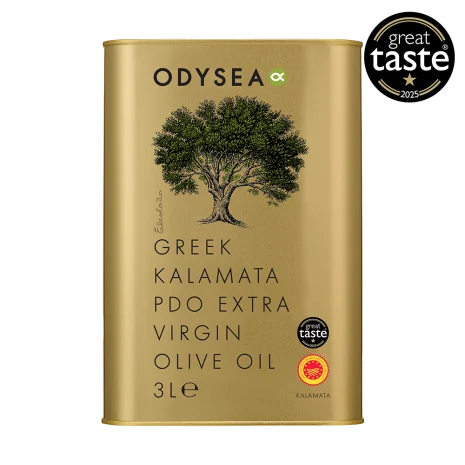
Odysea Greek Kalamata PDO Extra Virgin Olive Oil (3 Litre)
Christian
Odysea Greek Kalamata PDO Extra Virgin Olive Oil is a premium cold-extracted olive oil from the renowned Kalamata region of Greece, crafted from Koroneiki olives for a perfectly balanced fruity and herbaceous flavour.
Produced solely by mechanical means and pressed within hours of harvest, it retains its natural antioxidants and high monounsaturated fats for genuine health benefits and exceptional taste.
Highly rated by chefs and award panels including Great Taste Awards and Which?, it is ideal for drizzling over salads, vegetables, and finishing dishes.
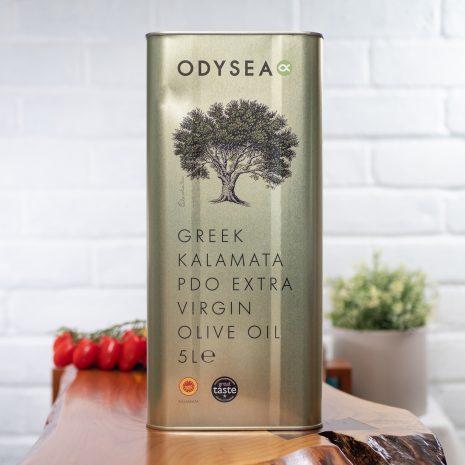
Odysea Greek Kalamata PDO Extra Virgin Olive Oil (5 Litre)
Peter Jacobs
Odysea Greek Kalamata PDO Extra Virgin Olive Oil delivers outstanding quality at a remarkably fair price, making it excellent value for everyday gourmet use.
Cold-extracted within hours of harvest from Koroneiki olives in the Kalamata region, it offers a beautifully balanced fruity and herbaceous flavour while preserving full nutritional benefits.
Award-recognised and trusted by chefs, it brings premium extra virgin olive oil quality without the premium price tag—ideal for salads, finishing dishes, and everyday Mediterranean cooking.