The Complete Guide to Caviar | Types, Taste, Serving & Buying Guide
Caviar is one of the world’s most celebrated luxury foods, associated with fine dining, special occasions and exceptional craftsmanship. Yet for many first-time buyers, it can feel mysterious: What exactly is caviar? How is it made? Which type should you choose? And how do you serve it properly?
This complete guide breaks down everything you need to know about caviar, from its origins and varieties to tasting notes, serving methods and buying tips. Whether you are exploring Beluga caviar for the first time or refining your appreciation of Oscietra and Sevruga, this guide will help you navigate the world of caviar with confidence.
What Is Caviar?
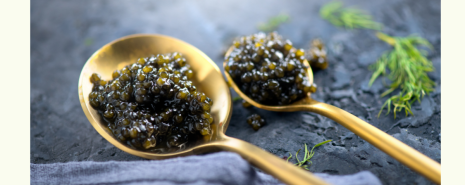
Caviar is the salted roe (eggs) of sturgeon fish. It is considered one of the most luxurious foods in the world due to its rarity, delicate flavour and time-intensive production.
Traditional caviar comes from sturgeon species such as:
- Beluga sturgeon (Huso huso)
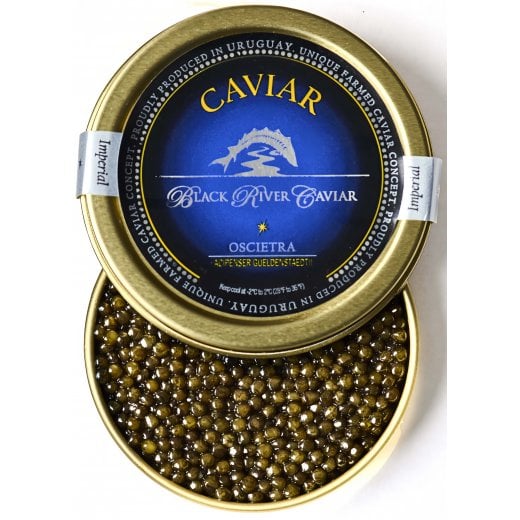
- Oscietra sturgeon (Acipenser gueldenstaedtii)
- Sevruga sturgeon (Acipenser stellatus)
Each species produces roe with distinct characteristics in terms of size, texture, flavour and colour.
Caviar is typically lightly salted to preserve freshness and enhance its natural flavour.
The Main Types of Caviar
There are several types of caviar, but the most well-known premium varieties are Beluga, Oscietra and Sevruga.
Beluga Caviar
Beluga caviar is widely regarded as the most luxurious and rare.
It is known for:
- Very large pearls
- Buttery, creamy flavour
- Delicate salinity
- Silky texture
It is often considered the “gold standard” of caviar.
Oscietra Caviar
Oscietra offers a balance of refinement and complexity.
It is known for:
- Medium to large pearls
- Nutty, rich flavour
- Firm texture
- Elegant finish
Many connoisseurs appreciate Oscietra for its depth and versatility.
Sevruga Caviar
Sevruga is known for its more intense character.
It features:
- Smaller pearls
- Stronger briny flavour
- Crisp texture
- Bold seafood notes
It is often preferred by those who enjoy a more pronounced taste.
What Does Caviar Taste Like?
Caviar is often surprising to first-time tasters.
Rather than being overly fishy, high-quality caviar is typically:
- Buttery
- Fresh
- Slightly nutty
- Lightly salty
- Clean and oceanic
The flavour depends heavily on the species and quality level.
Beluga is the mildest and most delicate, while Sevruga is the most intense. Oscietra sits comfortably in between.
How Caviar Is Made
The production of caviar is a careful and time-intensive process.
1. Raising Sturgeon
Sturgeon are slow-growing fish that can take many years to mature before producing roe.
2. Harvesting Roe
When the fish reach maturity, roe is carefully collected.
3. Salting
The roe is lightly salted to preserve it and enhance flavour. This is known as malossol-style caviar (low salt).
4. Grading and Packaging
Caviar is graded based on:
- Size
- Texture
- Colour
- Flavour quality
It is then packed into tins or jars under strict temperature control.
How to Serve Caviar
Caviar should be served simply to preserve its delicate flavour.
Best practices include:
- Serving chilled (0–4°C)
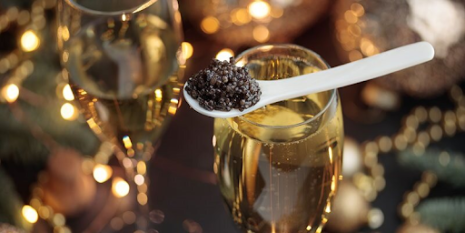
- Using non-metallic spoons (e.g. mother-of-pearl)
- Placing on crushed ice
- Opening just before serving
Classic accompaniments:
- Blinis
- Crème fraîche
- Toast points
- Lightly buttered bread
- Champagne or vodka
How Much Caviar Do You Need?
Portion sizes depend on the occasion:
- 10–15g per person: tasting
- 20–30g per person: starter
- 30–50g per person: luxury serving
- 50g+: premium entertaining
Caviar is often enjoyed in small but indulgent portions.
How to Store Caviar
Caviar is highly perishable and must be stored correctly.
- Keep refrigerated at 0–4°C
- Do not freeze (ideally)
- Store in original container
- Consume soon after opening
Proper storage preserves freshness, texture and flavour.
How to Tell High-Quality Caviar
Premium caviar should have:
- Glossy, intact pearls
- Clean ocean aroma
- Balanced flavour
- Firm yet delicate texture
Avoid caviar that smells overly fishy or appears broken or dull.
Is Caviar Sustainable?
Modern caviar production is increasingly sustainable.
Most premium caviar today comes from regulated aquaculture farms that:
- Protect wild sturgeon populations
- Follow strict international standards (CITES)
- Use traceable production methods
Responsible farming helps ensure the long-term future of caviar.
Caviar Pairings
The best drinks to pair with caviar include:
- Champagne (especially Blanc de Blancs)
- Dry sparkling wines
- Premium vodka
- Crisp white wines (e.g. Chablis, Sancerre)
These pairings enhance flavour without overpowering it.
Caviar for Special Occasions
Caviar is often chosen for:
- Weddings
- Anniversaries
- Birthdays
- Luxury gifting
- Corporate events
- Holiday celebrations
Beluga caviar is especially popular for milestone occasions due to its rarity and prestige.
Buying Caviar: What to Look For
When purchasing caviar, consider:
- Species (Beluga, Oscietra, Sevruga)
- Freshness and storage conditions
- Supplier reputation
- Traceability and sourcing
- Packaging quality
Buying from a trusted specialist ensures a better experience.
Final Thoughts
Caviar is more than a luxury ingredient—it is a refined culinary experience shaped by tradition, craftsmanship and careful production. From the buttery elegance of Beluga to the nutty complexity of Oscietra and the bold intensity of Sevruga, each variety offers something unique.
Whether you are discovering caviar for the first time or deepening your appreciation, understanding its origins, flavours and serving methods allows you to enjoy it at its very best.
When handled and served correctly, caviar remains one of the most extraordinary delicacies in the world of fine food.