What Is Foie Gras? A Complete Beginner’s Guide
Foie gras is one of the world’s most celebrated gourmet delicacies, synonymous with fine dining, luxury entertaining, and French culinary tradition. Yet for many food lovers, foie gras remains something of a mystery.
What exactly is foie gras? What does it taste like? How is it served? And why is it considered one of the most luxurious foods in the world?
If you’re curious about this iconic delicacy, this beginner’s guide answers everything you need to know.
What Is Foie Gras?
Foie gras is a specialty food product made from the liver of a duck or goose. The term “foie gras” is French and translates literally to “fat liver.”
Renowned for its exceptionally rich flavor and silky texture, foie gras has been enjoyed for centuries and remains a cornerstone of French gastronomy.
Unlike ordinary liver, foie gras has a delicate, buttery consistency that melts in the mouth, creating a uniquely luxurious eating experience.
Today, foie gras is served in Michelin-starred restaurants, gourmet homes, and festive celebrations around the world.
What Does Foie Gras Taste Like?
One of the most common questions first-time buyers ask is:
“What does foie gras actually taste like?”
Foie gras is often described as:
- Rich and buttery
- Velvety and smooth
- Delicately savory
- Slightly sweet
- Intensely flavorful without being overpowering
Many food enthusiasts compare the experience to enjoying a premium butter infused with complex savory notes.
Unlike traditional liver, which can sometimes have a strong metallic flavor, high-quality foie gras is prized for its elegance, creaminess, and refined taste.
Why Is Foie Gras Considered a Delicacy?
Several factors contribute to foie gras’ reputation as a luxury ingredient.
Exceptional Flavor
The rich texture and complex flavor profile are difficult to replicate with any other food.
Culinary Heritage
Foie gras has long been associated with French haute cuisine and festive celebrations.
Craftsmanship
Producing premium foie gras requires expertise, careful preparation, and strict quality standards.
Versatility
It can be enjoyed in numerous forms, from elegant appetizers to sophisticated main-course preparations.
Together, these qualities have made foie gras one of the most sought-after gourmet foods in the world.
A Brief History of Foie Gras
The history of foie gras dates back thousands of years.
Historical records suggest that ancient Egyptians observed migratory birds naturally storing fat before long journeys. This discovery eventually inspired methods of producing rich, flavorful liver.
Over time, the practice spread throughout the Mediterranean and later became deeply rooted in French culinary traditions.
Today, France remains the most famous producer and consumer of foie gras, although it is enjoyed worldwide by chefs and food lovers alike.
What Are the Different Types of Foie Gras?
When shopping for foie gras, you’ll encounter several different styles.
Fresh Foie Gras
Fresh foie gras is raw and intended for cooking.
Popular preparations include:
- Pan-seared foie gras
- Terrines
- Torchons
- Gourmet sauces
Many chefs prefer fresh foie gras because it offers maximum flexibility in the kitchen.
Whole Foie Gras
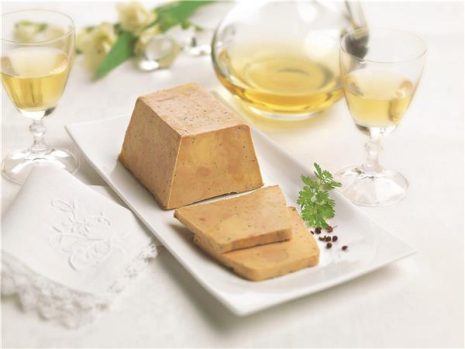
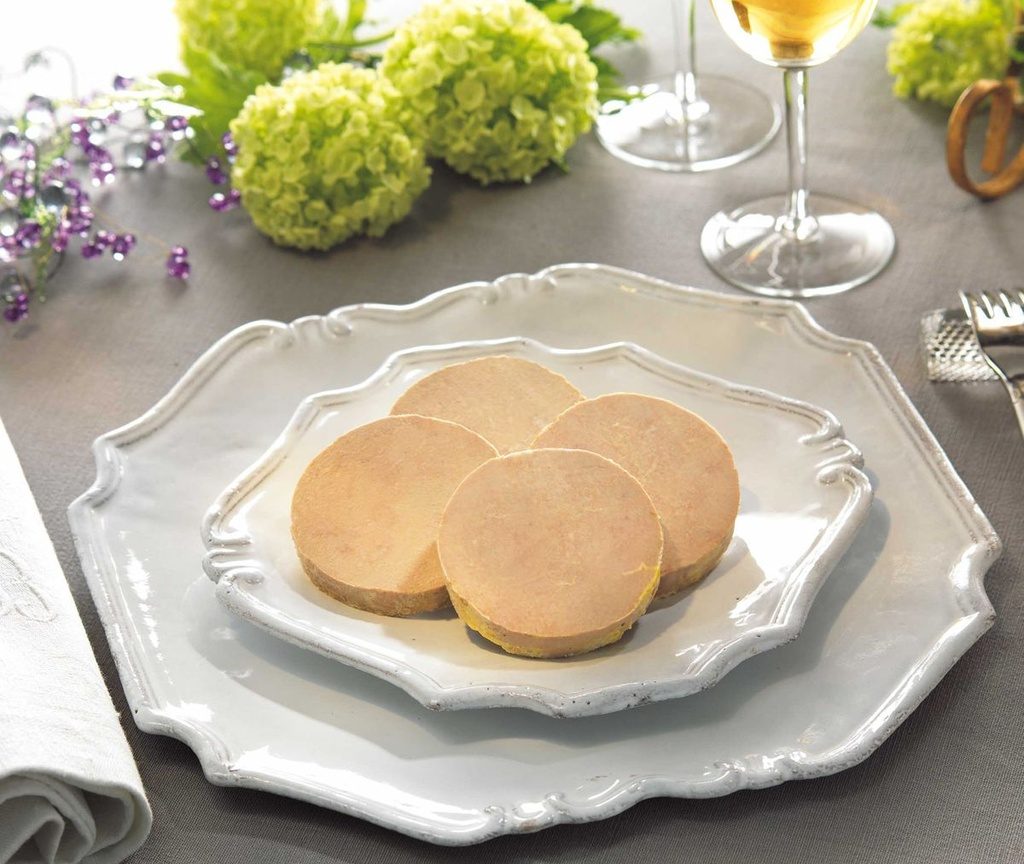
Whole foie gras consists of one or more intact liver lobes and is generally considered the highest-quality prepared form.
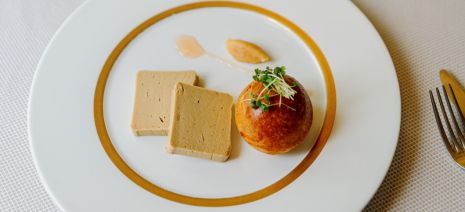
It can be served chilled and sliced for elegant appetizers.
Foie Gras Mousse
Mousse blends foie gras with other ingredients to create an ultra-smooth, spreadable texture.
It is ideal for:
- Crackers
- Toast points
- Entertaining platters
Foie Gras Pâté
While often confused with foie gras itself, pâté is a broader category that may contain foie gras along with other ingredients and meats.
Duck Foie Gras vs. Goose Foie Gras
Foie gras is produced from both ducks and geese.
Duck Foie Gras
The most common variety today.
Characteristics:
- Rich flavor
- More robust taste
- Slightly deeper color
Goose Foie Gras
Often considered more delicate and refined.
Characteristics:
- Milder flavor
- Smoother texture
- Subtle complexity
Both are highly regarded, and personal preference usually determines which is preferred.
How Is Foie Gras Served?
Foie gras can be enjoyed in many ways.
Popular serving styles include:
Chilled
Thin slices served with:
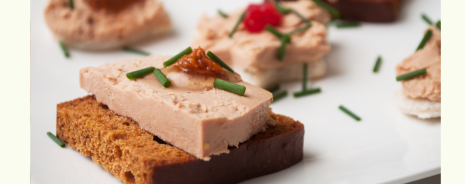
- Brioche
- Toasted bread
- Fig preserves
- Fruit compotes
Pan-Seared
A favorite in fine dining restaurants.
The exterior develops a golden crust while the interior remains soft and creamy.
As a Spread
Foie gras mousse and pâté are often served as elegant appetizers.
On Charcuterie Boards
Many gourmet hosts include foie gras alongside:
- Artisan cheeses
- Cured meats
- Fresh fruit
- Nuts
- Preserves
What Foods Pair Well with Foie Gras?
Pairing is one of the joys of enjoying foie gras.
Excellent accompaniments include:
Bread
- Brioche
- Baguette
- Toast points
- Country bread
Fruit
- Figs
- Pears
- Apples
- Cherries
Preserves
- Fig jam
- Onion confit
- Fruit chutneys
Luxury Ingredients
- Black truffles
- Wild mushrooms
- Premium sea salt
The contrast between rich foie gras and sweet or acidic accompaniments creates a memorable flavor experience.
What Wine Goes with Foie Gras?
Wine pairing is a classic part of foie gras service.
Popular choices include:
- Sauternes
- Champagne
- Late-harvest wines
- Sweet white wines
- Certain Pinot Noir wines
The balance between sweetness, acidity, and richness enhances the overall dining experience.
Is Foie Gras Difficult to Prepare?
Not at all.
Many prepared foie gras products are ready to serve immediately.
For beginners, the easiest options include:
- Whole foie gras
- Foie gras mousse
- Foie gras pâté
Simply slice, plate, and serve with quality bread and accompaniments.
Fresh foie gras intended for cooking requires more skill but can produce spectacular results.
Frequently Asked Questions
Is foie gras cooked?
Some foie gras products are fully prepared and ready to eat, while fresh foie gras is sold raw for cooking.
Can foie gras be frozen?
Many products can be frozen, though texture may vary depending on the preparation.
How much foie gras should I serve?
As an appetizer, approximately 50–75 grams per person is typically sufficient.
Is foie gras served hot or cold?
Both. It can be enjoyed chilled, room temperature, or hot when pan-seared.
Is foie gras suitable for special occasions?
Absolutely. It is frequently served during holidays, celebrations, weddings, anniversaries, and luxury dinner parties.
Why Gourmet Food Lovers Continue to Choose Foie Gras
Few foods offer the same combination of history, craftsmanship, flavor, and elegance as foie gras.
Whether served simply with toasted brioche and fig preserves or presented as part of an elaborate fine dining experience, foie gras remains one of the most iconic delicacies in the culinary world.
For those exploring gourmet cuisine for the first time, foie gras offers a memorable introduction to the art of luxury dining—one delicious bite at a time.