
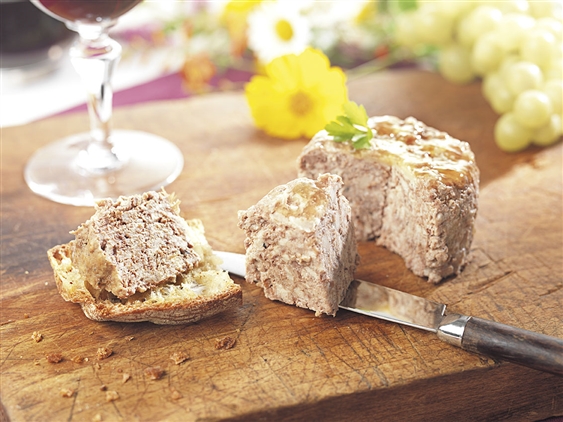
The Ultimate Guide to French Pâté: Everything You Need to Know
French pâté is one of the great treasures of French gastronomy. Rich, flavourful, and steeped in centuries of culinary tradition, it remains a staple of French dining tables, village markets, country picnics, and gourmet food shops throughout France.
Whether you’re discovering pâté for the first time or you’re already a devoted fan of French charcuterie, this guide explains everything you need to know about French pâté, terrines and rillettes — from how they are made and served to the different varieties available and how to choose the best French pâté online.
What Is French Pâté?
Pâté is a traditional French charcuterie product made from seasoned meat, often combined with liver, herbs, spices, and sometimes wine or spirits.
The ingredients are cooked and preserved to create a rich, savoury delicacy that can be enjoyed cold or at room temperature.
Today, French pâté is available in a wide range of styles, from rustic country pâtés to luxurious duck terrines and foie gras specialities.
One of the reasons pâté has remained popular for generations is its simplicity. It requires no cooking, stores well, and instantly creates an authentic French dining experience.
The History of French Pâté
The origins of pâté stretch back hundreds of years.
French charcutiers originally developed pâté as a way to preserve meat while creating delicious and satisfying food. Over time, regional recipes evolved throughout France, each area developing its own traditions, ingredients, and styles.
Today, pâté remains one of the most important parts of French charcuterie and is enjoyed everywhere from family kitchens to Michelin-starred restaurants.
Types of French Pâté
Country Pâté (Pâté de Campagne)
Country pâté is perhaps the most traditional and widely enjoyed French pâté.
Typically made from pork and liver, it offers:
- Rustic texture
- Rich savoury flavour
- Traditional French character
It remains one of the best introductions to French charcuterie.
Duck Pâté
Duck pâté is a favourite among gourmet food lovers.
Compared to pork pâté, it often delivers:
- Richer flavour
- Greater depth
- More luxurious character
Duck pâté is particularly popular for entertaining and gifting.
Duck Terrine
Duck terrine offers a more rustic texture than smooth pâté.
Many recipes incorporate:
- Sauternes
- Armagnac
- Cognac
- Herbs and spices
These additions create complexity and elegance.
Game Pâté
Game pâtés often feature:
- Venison
- Wild boar
- Rabbit
- Pheasant
They are prized by enthusiasts for their deeper and more robust flavours.
Rillettes
Although technically different from pâté, rillettes belong to the same French charcuterie family.
The meat is slowly cooked until tender, shredded, and preserved in fat.
Popular varieties include:
- Pork rillettes
- Duck rillettes
- Goose rillettes
Foie Gras
Foie gras represents the luxury end of French charcuterie.
Made from duck or goose liver, it is renowned for:
- Silky texture
- Rich flavour
- Exceptional indulgence
It is often enjoyed during celebrations and special occasions.
What Is the Difference Between Pâté, Terrine and Rillettes?
This is one of the most frequently searched questions.
Pâté
Generally smoother and easier to spread.
Terrine
More rustic with visible pieces of meat.
Rillettes
Shredded meat preserved in fat with a fibrous texture.
All three are important parts of traditional French gastronomy.
What Does French Pâté Taste Like?
The flavour depends on the ingredients, but most pâtés are:
- Rich
- Savoury
- Well-seasoned
- Deeply satisfying
Duck pâtés tend to be richer, while country pâtés offer a more rustic and traditional profile.
Game pâtés provide greater intensity and complexity.
Is French Pâté Ready to Eat?
Yes.
French pâté is fully cooked during production and is designed to be enjoyed straight from the jar or tin.
For the best flavour:
- Remove from the fridge 20–30 minutes before serving
- Serve at room temperature
- Pair with fresh bread and traditional accompaniments
How to Serve French Pâté
The beauty of pâté lies in its simplicity.
Classic accompaniments include:
- Fresh baguette
- Rustic country bread
- Cornichons
- Dijon mustard
- Onion confit
- Fig chutney
Many French people enjoy pâté as:
- A starter
- A light lunch
- Part of an aperitif
- A picnic staple
- A charcuterie board centrepiece
Best Wines to Pair with French Pâté
The right wine can elevate pâté significantly.
Country Pâté
Pairs beautifully with:
- Beaujolais
- Pinot Noir
- Chinon
Duck Pâté
Excellent with:
- Burgundy
- Pinot Noir
- White Burgundy
Game Pâté
Works well with:
- Bordeaux
- Rhône wines
- Rioja
Foie Gras
Traditionally served with:
- Sauternes
- Champagne
- Monbazillac
How Long Does Pâté Last?
One reason pâté remains so popular is its convenience.
Unopened
Most French pâtés in jars and tins can be stored:
- 12–24 months
- Sometimes longer
Opened
Once opened:
- Refrigerate immediately
- Consume within 2–3 days
Always follow the producer’s guidance.
How to Choose a Good French Pâté
When buying French pâté online, look for:
Authentic French Production
French-made products often reflect generations of expertise.
Quality Ingredients
Good pâté starts with quality meat and traditional recipes.
Traditional Recipes
Look for recipes featuring herbs, spices, and recognisable ingredients.
Trusted Producers
Established French charcuterie specialists tend to deliver greater consistency and authenticity.
Why Buy French Pâté Online?
Buying French pâté online gives access to a far wider range than most supermarkets offer.
Benefits include:
- Authentic French brands
- Regional specialities
- Gourmet varieties
- Convenient home delivery
- Long shelf life products
Many specialist French food retailers also provide expert product descriptions and serving advice.
Creating a French Charcuterie Board
One of the best ways to enjoy pâté is as part of a sharing board.
Combine:
- Country pâté
- Duck terrine
- Rillettes
- Cornichons
- French cheeses
- Crusty bread
- Chutney
This creates an effortless French dining experience ideal for entertaining.
Frequently Asked Questions
Is pâté healthy?
Pâté is naturally rich in protein and highly satisfying. It is best enjoyed as part of a balanced diet.
Does pâté contain liver?
Many traditional pâtés do, although recipes vary considerably.
Can pâté be frozen?
Some pâtés can be frozen, but fresh consumption generally provides the best texture and flavour.
What is the best pâté for beginners?
Country pâté and duck pâté are excellent starting points.
What is the most luxurious French pâté?
Foie gras is generally regarded as the most luxurious member of the French charcuterie family.
Why French Pâté Remains a Timeless Favourite
French pâté perfectly captures what makes French food so appealing: quality ingredients, traditional craftsmanship, and simple pleasures enjoyed around the table.
Whether you’re enjoying a rustic country pâté with fresh bread, sharing a duck terrine with friends, or creating an elegant charcuterie board for a special occasion, pâté offers an authentic taste of France that is both accessible and deeply satisfying.
For anyone looking to explore French gastronomy, few products offer a better introduction than a well-made French pâté.