The Complete Guide to Foie Gras | Types, Taste, Serving & Buying Guide
Foie gras is one of the most iconic ingredients in French cuisine, celebrated for its rich texture, refined flavour, and association with luxury dining. Whether you are discovering it for the first time or refining your appreciation, understanding foie gras in full helps you choose, serve, and enjoy it with confidence.
At The Good Food Network, foie gras is carefully selected from specialist producers to ensure authenticity, quality, and a true taste of French gastronomy.
What is Foie Gras?
Foie gras is the specially prepared liver of a duck or goose, prized for its smooth, buttery texture and delicate flavour.
It is typically served:
- As a chilled starter
- In fine dining restaurants
- At celebrations and special occasions
Unlike everyday spreads or pâtés, foie gras is considered a luxury product due to its texture, production method, and culinary heritage.
Types of Foie Gras
Understanding the different styles helps you choose the right product:
- Foie Gras Entier: Whole liver, most traditional and premium
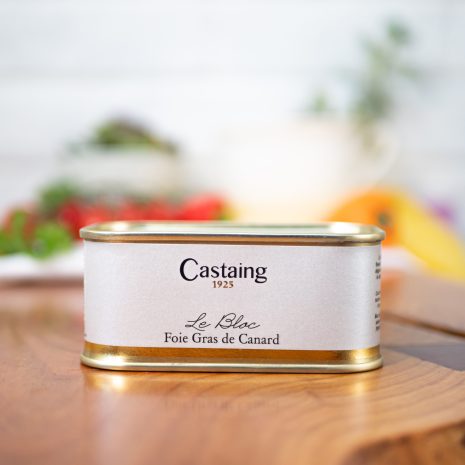
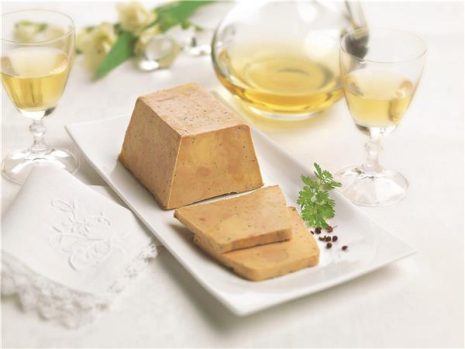
- Bloc de Foie Gras: Smooth, blended, easy to slice
- Parfait: Light, spreadable version often blended for softness
- Mi-Cuit: Semi-cooked foie gras, fresh and delicate
Each type offers a slightly different experience depending on texture and serving style.
Duck vs Goose Foie Gras
Foie gras is made from either duck or goose liver:
Duck Foie Gras
- Richer and more robust
- Earthy, savoury flavour
- Widely available and versatile
Goose Foie Gras
- Milder and more refined
- Softer, silkier texture
- Traditionally considered more luxurious
Your choice depends on whether you prefer bold richness or subtle elegance.
What Does Foie Gras Taste Like?
Foie gras is known for its:
- Buttery, smooth texture
- Mild savoury depth
- Subtle sweetness
- Melt-in-the-mouth finish
It is not overpowering—instead, it is refined, delicate, and balanced.
The texture is as important as the flavour, creating a luxurious sensory experience.
How Foie Gras Is Served
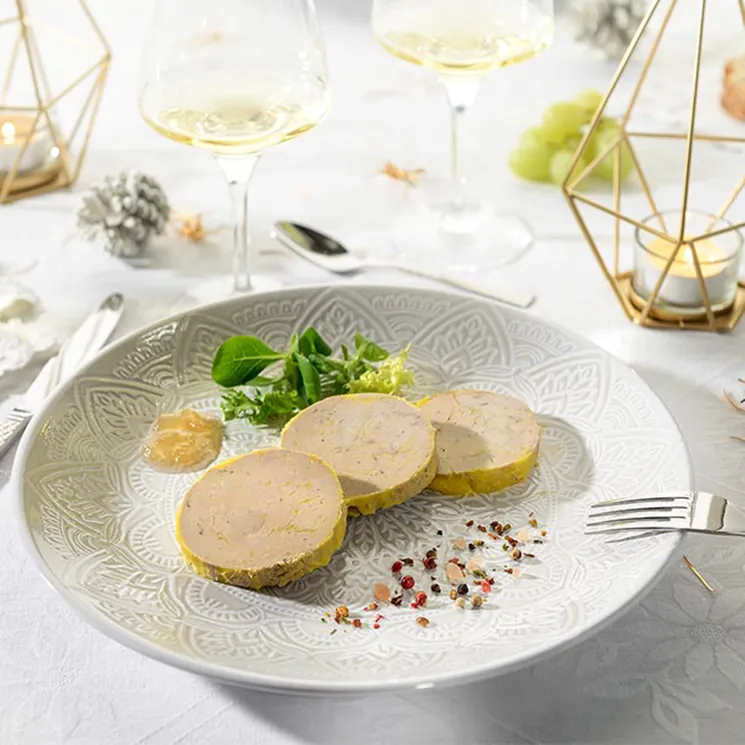
Foie gras is best enjoyed simply to highlight its natural qualities.
Classic serving style:
- Slightly chilled
- Sliced with a warm knife
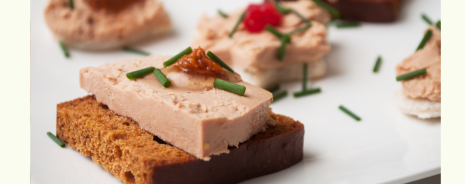
- Served on brioche or toasted bread
Common accompaniments:
- Fig chutney or onion marmalade
- Sea salt flakes
- Fresh fruit (figs, pear, apple)
How Much Foie Gras Do You Need?
Because foie gras is rich, portions are small:
- Canapés: 10–20g per person
- Starter: 30–50g per person
- Sharing: 100g+ for groups
A little goes a long way, especially when served with accompaniments.
Best Wine Pairings
Foie gras pairs beautifully with wines that balance richness:
- Sauternes: classic sweet French pairing
- Champagne: crisp and refreshing contrast
- Late harvest wines: gentle sweetness
- Dry whites (Chablis, Sancerre): modern, lighter pairing
How to Store Foie Gras
Proper storage ensures quality:
- Keep refrigerated at 0–4°C
- Store at the back of the fridge (coldest area)
- Consume within recommended time after opening
- Keep tightly sealed once opened
Foie gras should always be handled as a delicate fresh product.
Is Foie Gras Safe and Ethical?
Foie gras is safe to eat when sourced from reputable suppliers and produced under strict EU regulations.
Ethical views vary, but modern production includes:
- Regulated farming standards
- Veterinary oversight
- Improved welfare practices in many regions
- Transparent supply chains
Customers are encouraged to choose based on informed personal preference.
Foie Gras for Gifting
Foie gras is a classic gourmet gift, especially for:
- Christmas and New Year
- Weddings and anniversaries
- Corporate gifting
- Special celebrations
Smaller tins are ideal for personal luxury gifts, while larger formats suit sharing.
Foie Gras vs Other Luxury Spreads
Compared to pâté, terrine, and rillettes, foie gras stands apart due to its:
- Silky texture
- Minimal seasoning
- Luxury positioning
- Fine dining association
It is the most refined of traditional French spreads.
Why Foie Gras Is Considered a Luxury
Foie gras is associated with luxury because of:
- Its heritage in French gastronomy
- Its unique texture and flavour
- Its seasonal and celebratory use
- Its careful and specialised production
It is designed for indulgent, memorable dining moments.
Final Thoughts
Foie gras is more than a food—it is a culinary experience rooted in French tradition. From its smooth texture and delicate flavour to its versatility in serving and pairing, it remains one of the most distinctive luxury foods in the world.
Whether enjoyed at home or in fine dining, foie gras is best appreciated slowly, simply, and with attention to detail.