Traditional French Conserverie Cooking Explained | Tins & Jars Guide
Traditional French Conserverie Cooking Explained
The Heritage Behind France’s Most Iconic Tinned and Jarred Foods
Traditional French conserverie cooking is the art of preparing and preserving classic regional dishes in tins and jars so they can be enjoyed long after cooking.
From duck confit and cassoulet to pâtés, terrines and regional stews, this method has allowed France to preserve its culinary heritage for generations—bringing authentic bistrot cooking into homes around the world.
But what exactly is conserverie cooking, and why does it matter?
What Does “Conserverie” Mean?
In French, a conserverie is a food preservation facility—traditionally a small regional producer, now often a specialist manufacturer.
It refers to:
- The preparation of cooked foods for long-term storage
- The use of tins, jars and sealed containers
- Traditional French methods of preserving regional recipes
In simple terms, it is the craft of turning freshly cooked French dishes into long-life gourmet meals.
The Origins of Conserverie Cooking in France
Conserverie traditions date back to the 19th century, when French producers sought ways to:
- Preserve seasonal produce
- Store meat safely before refrigeration
- Transport regional dishes across France
- Maintain culinary traditions year-round
Regions like South West France became famous for preserved foods such as:
- Duck confit from Gascony
- Cassoulet from Castelnaudary
- Pork and bean stews from rural Languedoc
These dishes were designed for practicality—but became culinary icons.
How Traditional French Conserverie Cooking Works
The process is both simple and highly effective.
1. Slow Cooking
Ingredients are cooked gently for long periods to develop deep flavour.
2. Assembly of Traditional Recipes
Meats, beans, vegetables and sauces are combined according to regional recipes.
3. Packaging in Tins or Jars
The hot food is sealed into airtight containers.
4. Sterilisation
The sealed containers are heat-treated to eliminate bacteria and ensure long shelf life.
This process locks in flavour without the need for artificial preservatives.
Why Conserverie Cooking Produces Such Good Flavour
Unlike modern processed foods, traditional French conserverie cooking is based on real cooking first, preservation second.
This matters because:
- Flavours are developed before preservation
- Slow cooking intensifies natural ingredients
- Fats and stocks carry depth and richness
- Recipes are rooted in regional tradition
The result is food that tastes like it has been freshly cooked—because it was, before being preserved.
What Foods Are Made Using Conserverie Methods?
Some of the most iconic examples include:
🦆 Duck Confit
Duck legs slowly cooked in their own fat, then preserved.
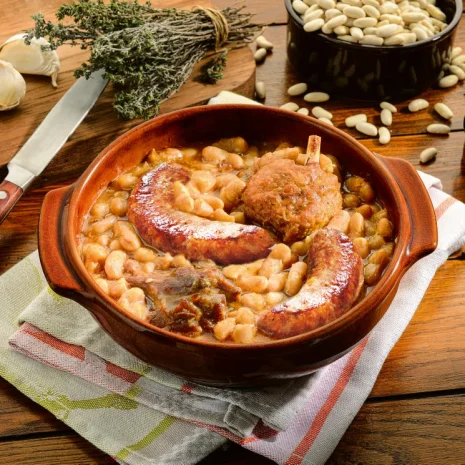
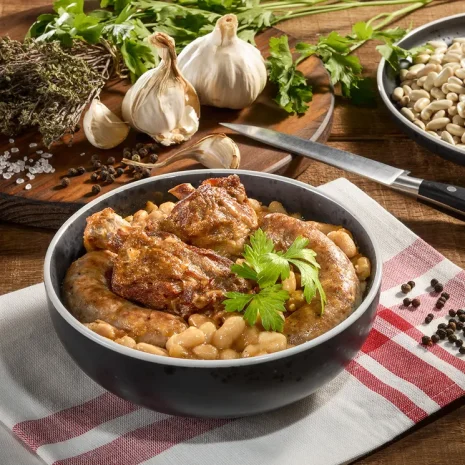
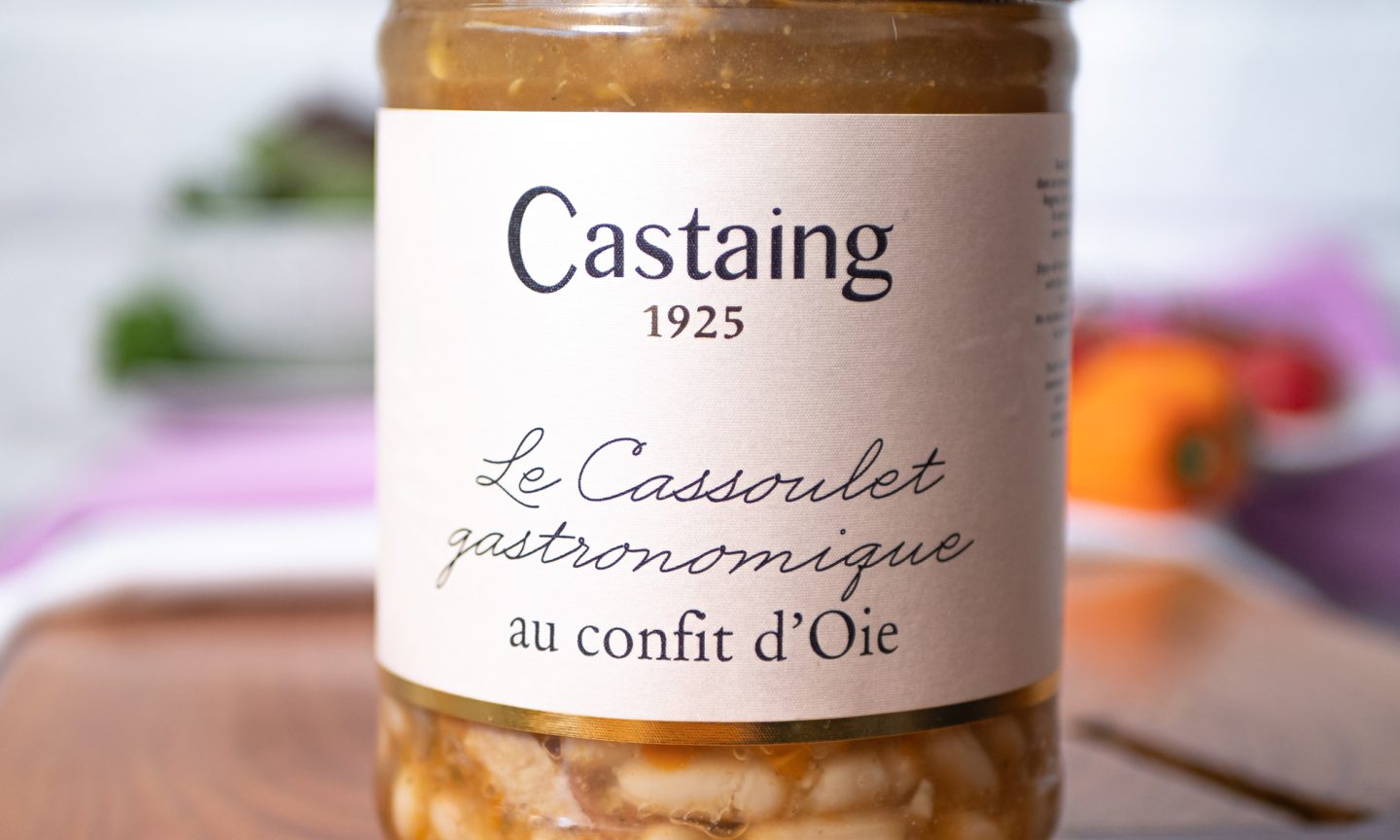
🍲 Cassoulet
A slow-cooked bean stew with duck, pork and sausage.
🍷 Beef Bourguignon
Beef braised in red wine with vegetables.
🍗 Coq au Vin
Chicken cooked slowly in wine with herbs and mushrooms.
🥩 Pâtés & Terrines
Meat-based spreads and slices preserved in jars or tins.
Is Conserverie Cooking the Same as Industrial Ready Meals?
No—and this is a key distinction.
Traditional conserverie:
- Uses real, slow-cooked recipes
- Focuses on regional French cuisine
- Preserves fully cooked meals
- Prioritises flavour and heritage
Industrial ready meals:
- Often heavily processed
- Use flavourings and additives
- Designed for speed and cost
- Less connected to regional tradition
Conserverie cooking is best understood as preserved gastronomy, not convenience food.
How Long Do Conserverie Foods Last?
One of their greatest advantages is shelf life:
- Unopened: typically 1–3 years (sometimes longer)
- Stored at room temperature
- No refrigeration required until opened
- Once opened: consume within 48–72 hours
This makes them ideal for both everyday enjoyment and entertaining.
How Are They Best Enjoyed?
Traditional French conserverie meals are designed to be simple to serve:
Heating methods:
- Gentle saucepan warming
- Oven finishing for texture
- Occasional microwave convenience options
Serving ideas:
- With crusty French bread
- Alongside fresh salad or vegetables
- As part of a multi-course French meal
- With regional French wines
Why Conserverie Cooking Still Matters Today
In a world of fast food and ultra-processed meals, conserverie cooking represents:
- Culinary heritage
- Regional identity (terroir)
- Slow food tradition
- Authentic flavour preservation
It allows classic French dishes to remain accessible without losing their identity.
The Role of Conserveries in French Food Culture
Conserveries are more than food producers—they are custodians of tradition.
They:
- Preserve regional recipes
- Support local agricultural practices
- Maintain artisanal cooking methods
- Bring French cuisine to global audiences
This is why many iconic French dishes are still enjoyed in preserved form today.
Final Thoughts
Traditional French conserverie cooking is one of the most important reasons why regional French cuisine is still widely available and enjoyed today.
By combining slow cooking with careful preservation, it allows dishes like cassoulet, duck confit and beef bourguignon to retain their depth, character and authenticity.
Far from being “just tinned food,” conserverie cuisine represents the preservation of France’s culinary heritage in its most accessible and enduring form.