Complete Guide to French Ready Meals in Tins & Jars | Bistro Food Explained
A Deep Dive into France’s Most Iconic Preserved Bistro Cuisine
Traditional French ready meals in tins and jars are one of the most distinctive and enduring expressions of French regional cooking.
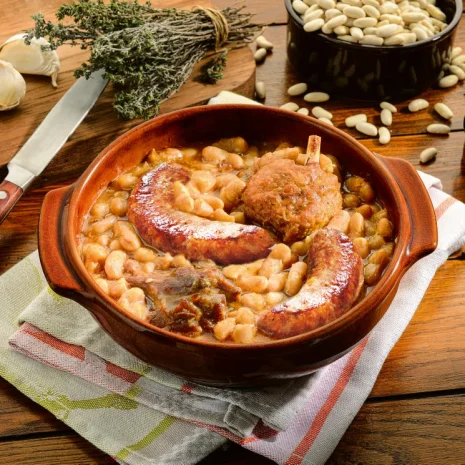
From cassoulet in Castelnaudary to duck confit from Gascony and rich bistrot stews from Burgundy, these dishes bring authentic French cuisine into the home in a simple, long-life format.
This guide explains everything you need to know: what they are, how they’re made, how they taste, and how to enjoy them properly.
What Are French Ready Meals in Tins and Jars?
French tin and jar meals are fully cooked, traditional dishes that are preserved for long shelf life using a process called sterilisation.
They typically include:
- Cassoulet
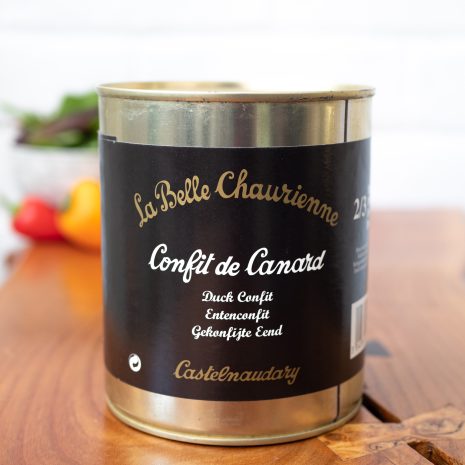
- Duck confit
- Beef bourguignon
- Coq au vin
- Lentils with sausage
- Regional pâtés and terrines
These are not modern inventions—they are based on historic French regional recipes.
Why Are They So Popular?
French ready meals have remained popular for decades because they offer:
- Authentic regional flavour
- Long shelf life (months to years)
- Convenience without compromise
- Consistent quality
- Restaurant-style meals at home
They are especially valued by lovers of traditional French bistrot cooking.
Are French Tin Meals Authentic?
Yes—when produced by established French conserveries.
Authenticity comes from:
- Traditional recipes passed through generations
- Regional ingredients and cooking styles
- Slow-cooked preparation methods
- Strong ties to French culinary heritage (terroir)
These are not imitation dishes—they are preserved versions of real French cuisine.
How Are French Ready Meals Made?
The process is simple but highly effective:
1. Slow Cooking
Ingredients are cooked slowly to develop deep flavour.
2. Assembly
Meats, sauces and vegetables are combined in traditional recipes.
3. Sealing
Meals are packed into tins or jars while hot.
4. Sterilisation
Heat treatment ensures safety and long shelf life without refrigeration.
This method has been used in France for over a century.
What Do They Taste Like?
French ready meals are known for:
- Rich, slow-cooked depth
- Rustic, comforting textures
- Savoury, natural flavours
- Balanced seasoning rather than sharp intensity
They taste closest to traditional French countryside or bistrot cooking.
Are They Healthy?
They are best described as wholesome traditional meals rather than diet food.
They:
- Use real, natural ingredients
- Contain protein, legumes and vegetables
- Are free from ultra-processing in most cases
However, some dishes (like duck confit and cassoulet) can be rich and best enjoyed in moderation.
How Do You Prepare Them?
Preparation is extremely simple:
Saucepan method:
- Heat gently for 10–15 minutes
- Stir occasionally
- Serve hot
Oven method (best for cassoulet & confit):
- Heat at 180°C
- Allow crisping on top where appropriate
- Serve directly from oven dish
No advanced cooking skills required.
How Long Do They Last?
One of their biggest advantages is shelf life:
- Unopened: 1–3 years (sometimes longer)
- Stored at room temperature
- No refrigeration needed until opened
- Once opened: consume within 2–3 days
This makes them ideal for pantry storage and entertaining.
What Are the Best French Ready Meals?
For beginners and enthusiasts alike:
🦆 Duck Confit
Rich, indulgent and iconic.
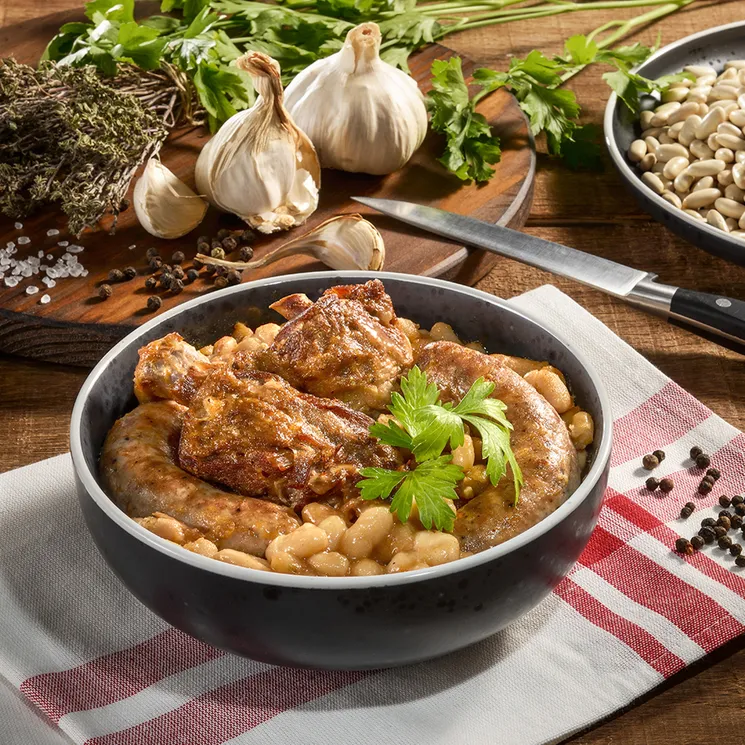
🍲 Cassoulet
The ultimate South West French comfort dish.
🍷 Beef Bourguignon
Classic Burgundy bistrot cooking.
🍗 Coq au Vin
Balanced wine-based chicken stew.
🫘 Lentils with Sausage
Simple, earthy and comforting.
How Do They Compare to Restaurant Food?
They are closest to:
- Traditional French bistrot cuisine
- Rustic regional restaurant dishes
- Home-style French cooking
They are not fine dining, but they often replicate the flavour and heart of French restaurant cooking extremely well.
How to Serve Them Like a French Bistro
To elevate the experience:
- Use rustic crockery or white plates
- Add fresh herbs as garnish
- Serve with salad or crusty bread
- Pair with French wine
- Keep presentation simple and authentic
Best Wine Pairings
Classic combinations include:
- Cassoulet → Madiran or Cahors
- Duck confit → Pinot Noir
- Beef bourguignon → Burgundy red
- Coq au vin → Loire red or Pinot Noir
Wine enhances the regional character of each dish.
Who Are French Ready Meals For?
They are ideal for:
- Lovers of French cuisine
- Busy home cooks
- Entertaining guests
- Wine and food enthusiasts
- Fans of cassoulet and duck confit
Final Thoughts
French ready meals in tins and jars are one of the most accessible and authentic ways to experience traditional French cuisine.
They combine:
- Real regional recipes
- Slow-cooked depth of flavour
- Long shelf life convenience
- Bistro-style enjoyment at home
Whether you are discovering cassoulet for the first time or building a French pantry, they offer a reliable and deeply satisfying way to enjoy the true taste of France—simply, authentically and whenever you want.