What Is Cold Pressed Extra Virgin Olive Oil? | Complete Guide
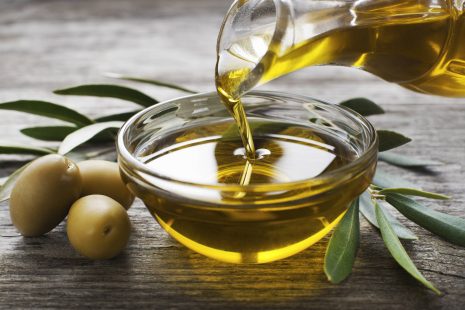
Cold pressed extra virgin olive oil is widely regarded as the highest quality form of olive oil available. It combines a gentle, low-temperature extraction process with the strict quality standards of extra virgin olive oil, resulting in a fresh, flavourful, and nutrient-rich oil used in both gourmet cooking and everyday kitchens.
Despite the term being common on labels, many shoppers are unsure what it actually means—and whether it really indicates better quality. This guide explains everything clearly, so you can choose and use olive oil with confidence.
What Does “Cold Pressed” Mean?
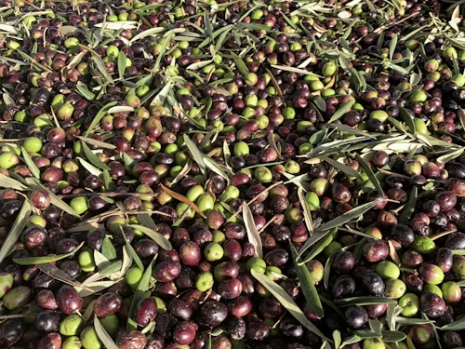
“Cold pressed” refers to the method used to extract oil from olives.
In traditional systems, olives were crushed and pressed using stone mills. Today, most high-quality producers use modern stainless steel equipment, but the principle remains the same:
- The olives are crushed into a paste
- The oil is extracted mechanically
- The temperature is kept low (usually below ~27°C)
- No chemical solvents are used
The goal is to avoid heat damage, which can reduce flavour, aroma, and nutritional quality.
In modern production, you may also see the term “cold extracted”, which is more accurate for centrifugal systems—but both refer to the same low-temperature philosophy.
What Does “Extra Virgin” Mean?
“Extra virgin” is a quality classification, not a production method.
To be labelled extra virgin olive oil (EVOO), the oil must meet strict standards, including:
- Very low acidity (typically ≤ 0.8%)
- No sensory defects
- Fresh, clean flavour profile
- Mechanical (non-chemical) extraction only
This ensures the oil is pure, natural, and of the highest edible grade.
So What Is Cold Pressed Extra Virgin Olive Oil?
When combined, the two terms describe olive oil that is:
- Extracted at low temperatures
- Produced without chemicals or refining
- Tested and graded as extra virgin
- Designed to preserve natural flavour and nutrients
In simple terms:
Cold pressed extra virgin olive oil = high-quality olive oil made using gentle extraction methods to preserve taste and freshness.
Why Cold Pressing Matters
Temperature plays a major role in olive oil quality.
If olives are exposed to excessive heat during extraction, it can:
- Destroy delicate aromatic compounds
- Reduce antioxidant levels
- Flatten the flavour profile
- Increase oxidation risk
Cold pressing helps preserve:
- Natural fruitiness
- Peppery finish
- Fresh green aromas
- Polyphenols (beneficial plant compounds)
This is why high-quality EVOO often tastes vibrant, grassy, or slightly spicy.
What Does Cold Pressed EVOO Taste Like?
Cold pressed extra virgin olive oil is not neutral—it is expressive and complex.
Typical flavour notes include:
- Fresh grass or green leaves
- Ripe or unripe olives
- Almond or nutty undertones
- Peppery finish at the back of the throat
- Light bitterness (a sign of quality)
These characteristics vary depending on olive variety, region, and harvest time.
Is Cold Pressed Olive Oil Better?
Generally, yes—when paired with high-quality extra virgin grading.
However, “cold pressed” alone is not a guarantee of excellence. The best oils also depend on:
- Fresh harvest date
- Olive variety (cultivar)
- Soil and climate (terroir)
- Careful storage and bottling
- Speed from harvest to press
The best approach is to look for fresh, traceable extra virgin olive oil that is cold extracted and properly labelled.
Cold Pressed vs Refined Olive Oil
It helps to understand the contrast:
Cold Pressed Extra Virgin Olive Oil
- Mechanical extraction only
- No chemicals or refining
- Full flavour and aroma
- Higher antioxidant content
- Ideal for finishing and gentle cooking
Refined Olive Oil
- Processed with heat and/or chemicals
- Neutral flavour
- Lower nutritional value
- More stable at very high temperatures
Cold pressed EVOO is the preferred choice for gourmet cooking.
Can You Cook with Cold Pressed Extra Virgin Olive Oil?
Yes—despite common myths, you can cook with it.
It works well for:
- Roasting vegetables
- Light frying and sautéing
- Pasta dishes
- Eggs and omelettes
- Finishing soups and meats
It is especially valued because it adds flavour rather than just fat.
How to Identify High-Quality Cold Pressed Olive Oil
When buying, look for:
- “Extra virgin” on the label
- Harvest date (not just expiry date)
- Single estate or clearly stated origin
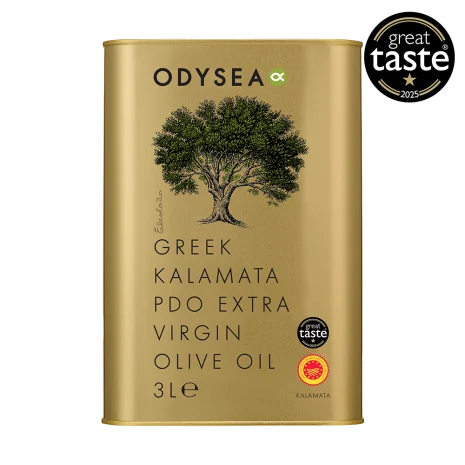
- Dark glass or tin packaging
- Fresh, aromatic scent when opened
Avoid oils with vague labelling or no production details.
Why Cold Pressed Olive Oil Is Popular in Gourmet Cooking
Chefs and food lovers prefer it because it:
- Enhances dishes naturally
- Adds complexity and depth
- Works as a finishing ingredient
- Reflects freshness and seasonality
- Elevates simple foods like bread and salads
It is not just an ingredient—it is part of the flavour.
Final Thoughts
Cold pressed extra virgin olive oil represents the best combination of traditional extraction methods and strict quality grading. While the term “cold pressed” describes how the oil is made, “extra virgin” defines its purity and excellence.
When both come together, the result is a fresh, vibrant, and flavour-rich oil that plays a central role in Mediterranean cooking and modern gourmet cuisine.
For shoppers, the key takeaway is simple:
Choose fresh, well-sourced extra virgin olive oil that is cold extracted—and you will immediately taste the difference.