
Showing 1–24 of 62 resultsSorted by popularity
-
More info

La Belle Chaurienne | Confit De Canard | Duck Confit | 1250g Tin | Four Duck Legs
£44.95 Add to basket -
More info
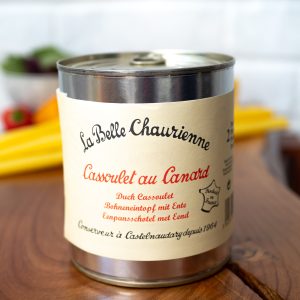
La Belle Chaurienne | Cassoulet Au Canard | Duck Cassoulet | 840g Tin Serves Two
Original price was: £19.95.£15.95Current price is: £15.95. Add to basket -
More info
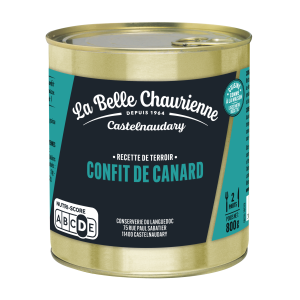
La Belle Chaurienne | Confit De Canard | Duck Confit | 800g Tin | Two Duck Legs
£29.95 Add to basket -
More info
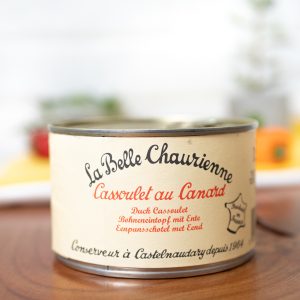
La Belle Chaurienne | Cassoulet Au Canard | Duck Cassoulet | 420g Tin Serves One
Original price was: £9.95.£7.95Current price is: £7.95. Add to basket -
More info
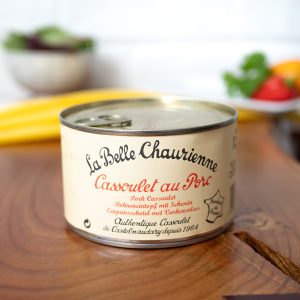
La Belle Chaurienne | Cassoulet Au Porc | Pork Cassoulet | 420g Tin Serves One
Original price was: £9.95.£6.95Current price is: £6.95. Add to basket -
More info

Saucisses De Toulouse Aux Lentilles | Toulouse Sausages With Lentils | 420g Tin Serves One
£10.95 Add to basket -
More info
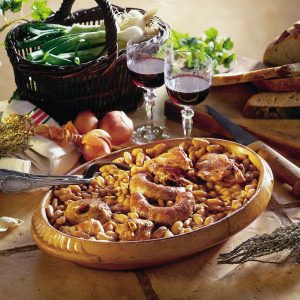
Maison Godard | Cassoulet Gastronomique Au Confit de Canard | Duck Confit Cassoulet | 950g Serves 2-3
£39.95 Add to basket -
More info
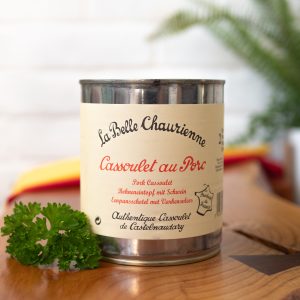
La Belle Chaurienne | Cassoulet Au Porc | Pork Cassoulet | 840g Tin Serves Two
Original price was: £15.95.£12.95Current price is: £12.95. Add to basket -
More info
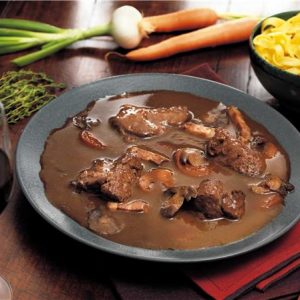
Maison Godard | French Beef Stew In Bergerac Wine Sauce | 410g Tin Serves 1-2
£17.75 Add to basket -
More info
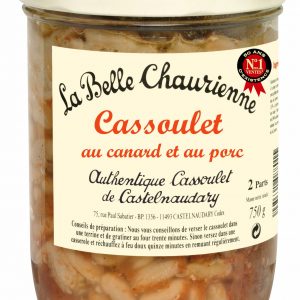
La Belle Chaurienne | Cassoulet Au Canard Et Au Porc | Duck And Pork Cassoulet | 750g Serves Two
Original price was: £24.95.£19.95Current price is: £19.95. Add to basket -
More info
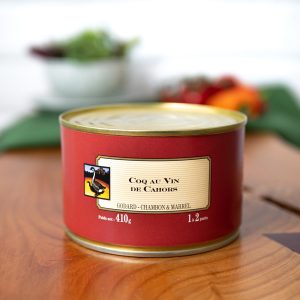
Maison Godard | Coq Au Vin De Cahors | 410g Tin Serves 1/2
£15.95 Add to basket -
More info
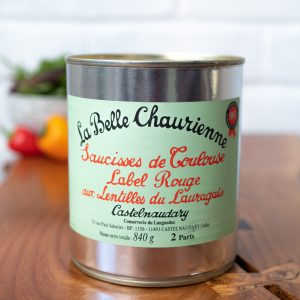
Saucisses De Toulouse Aux Lentilles | Toulouse Sausages With Lentils | 840g Tin Serves Two
£19.95 Add to basket -
More info
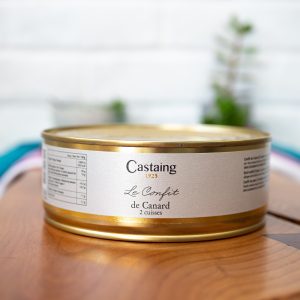
Castaing | Confit De Canard | Free Range Duck Confit | 820g Tin | Two Duck Legs
£39.95 Add to basket -
More info

Maison Godard | Chicken Supreme In White Wine and Morel Mushroom Sauce | 410g Serves 1-2
£15.95 Add to basket -
More info
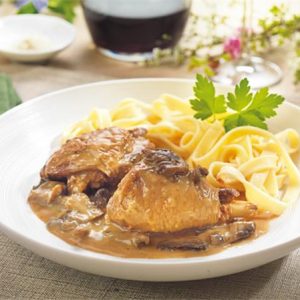
Maison Godard | Guinea Fowl Fricassee in Monbazillac Wine Sauce | 820g Serves 3/4
£34.95 Add to basket -
More info

La Belle Chaurienne | Authentique Cassoulet Riche En Viande | 840g Serves Two
Original price was: £19.95.£14.95Current price is: £14.95. Add to basket -
More info
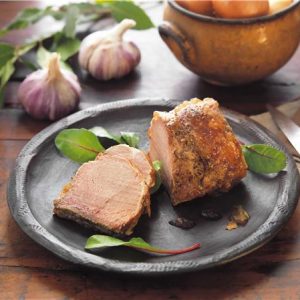
Maison Godard | Roasted Pork Shoulder | 450g Tin Serves Four
£24.95 Add to basket -
More info
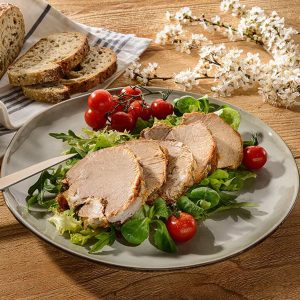
Maison Godard | Enchaud | Cooked Fillet of Pork From Perigord | 450g Serves 3/4
£29.95 Add to basket -
More info
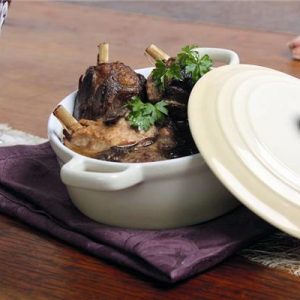
Maison Godard | Duck Salmis With Porcini Mushrooms In Red Wine Sauce | 410g Serves 1-2
£15.95 Add to basket -
More info
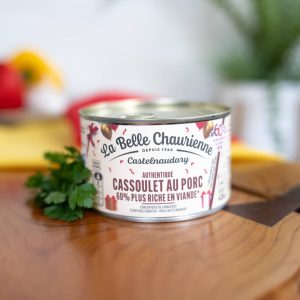
La Belle Chaurienne | Authentique Cassoulet Riche En Viande | 420g Serves One
£9.95 Add to basket -
More info
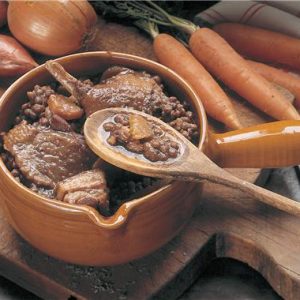
Maison Godard | Goose Confit In Puy Lentil Sauce | 420g Tin Serves One
£14.95 Add to basket -
More info
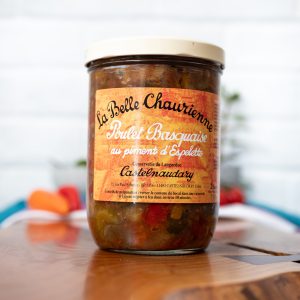
La Belle Chaurienne | Poulet Basquaise Au Piment D’Espelette | 750g Serves Two
£19.95 Add to basket -
More info
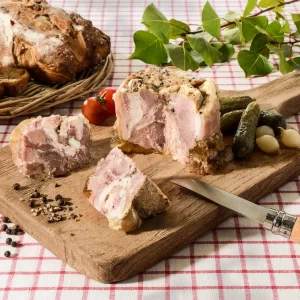
Maison Godard | Jambonneau | Pork Knuckle In Pork Jelly | 380g Jar Serves 3-4
£19.95 Add to basket -
More info
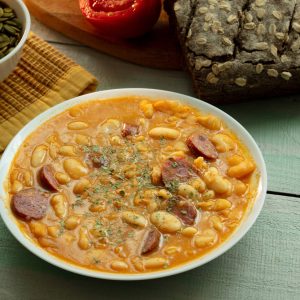
La Belle Chaurienne | Saucisses De Canard Aux Haricots Lingots | Duck Sausage Cassoulet | 750g Serves Two
£19.95 Add to basket