• Collection

    Luxury French Food

    • Caviar
      • Beluga Caviar
        • Sevruga Caviar
      • Oscietra Caviar
        • House Selection Caviar
      • All Caviar
    • Foie Gras
      • Goose Foie Gras
        • Duck Foie Gras
        • Foie Gras Mi-Cuit
          • Foie Gras Lobes (For Searing)
            • Foie Gras Au Torchon
          • Foie Gras With Truffles
            • Foie Gras Gift Sets
      • Foie Gras Accompaniments
      • All Foie Gras
    • Duck Confit
      • Free Range Duck Confit
      • All Duck Confit
    • Cassoulet
      • All Cassoulet
    • Fine Food Gifts
      • Luxury Italian Food
    • Pates & Terrines
      • Cruscana Seafood Terrines
      • French Pork Pate
      • French Duck Pates
      • French Game Terrines
        • Rillettes
      • All Pates & Terrines
    • Luxury French Meals
      • Luxury French Meals From Perigord
      • French Ready Meals for One
      • French Ready Meals for Two
      • Luxury French Starter Ideas
      • French Tinned Food
      • All French Ready Meals
    • French Seafood
      • French Seafood Soups
      • All French Seafood
    • Confectionery
      • Fruits Confits
        • Marrons Glaces
      • Chocolate Coated Walnuts
        • Luxury Chocolates
          • Shortbread Biscuits
      • French Jams
      • Pruneaux d’Agen
        • All Confectionery
    • Fine Ingredients
      • Sargol Saffron Stamen
        • Dried Wild Mushrooms
      • Black Truffles
        • Aged Balsamic Vinegar From Modena
      • French Sauces
      • Odysea Greek Kalamata Extra Virgin Olive Oil
      • All French Ingredients
    • Our Suppliers
      • Brindisa
      • Caspian Caviar
      • Castaing
      • Clement Faugier
      • Edouard Artzner
        • Lauden Chocolate
      • La Belle Chaurienne
      • La Belle Iloise
      • Maison Godard
      • Odysea
      • Maison Perard
      • Plantin
        • Mymoune
      • All Brands

    Special Offer

    Cassoulet au Porc La Belle Chaurienne. A high quality pork cassoulet prepared by La Belle Chaurienne in France. 420g tin serves one. 2 years life. UK delivery.
    Cassoulet Au Porc La Belle Chaurienne (420g Tin Serves One)

    £3.50

    Add to basket
  • Special Offers
  • Our Picks
  • Blog

    Blog

    • Categories
      • Cassoulet
      • Caviar
      • Duck Confit
      • Foie Gras
      • Seafood
    • Popular Posts
      • Eat Like The French: 5 French Meals For Breakfast?
      • What Are The Best Side Dishes To Serve With Duck Confit?
      • How to Serve, Eat and Store Foie Gras
      • What Wines Should You Serve With Caviar?
      • The Best Accompaniments To Serve With Caviar
    • Recipes
      • Caviar Cream Cheese Dip Recipe
      • Regional Carcassonne Cassoulet Recipe
      • Tapenade
      • Dried porcini pasta recipe
      • All Recipes

    Special Offer

    Castaing - Wild Boar Terrine (De Sanglier) 180g jar. A delicious French wild boar pate, serves two.
    Wild Boar Terrine (180g)

    £6.95

    Add to basket

Luxury French Food

  • Collection
    • Caviar
      • Beluga Caviar
        • Sevruga Caviar
      • Oscietra Caviar
        • House Selection Caviar
      • All Caviar
    • Foie Gras
      • Goose Foie Gras
        • Duck Foie Gras
        • Foie Gras Mi-Cuit
          • Foie Gras Lobes (For Searing)
            • Foie Gras Au Torchon
          • Foie Gras With Truffles
            • Foie Gras Gift Sets
      • Foie Gras Accompaniments
      • All Foie Gras
    • Duck Confit
      • Free Range Duck Confit
      • All Duck Confit
    • Cassoulet
      • All Cassoulet
    • Fine Food Gifts
      • Luxury Italian Food
    • Pates & Terrines
      • Cruscana Seafood Terrines
      • French Pork Pate
      • French Duck Pates
      • French Game Terrines
        • Rillettes
      • All Pates & Terrines
    • Luxury French Meals
      • Luxury French Meals From Perigord
      • French Ready Meals for One
      • French Ready Meals for Two
      • Luxury French Starter Ideas
      • French Tinned Food
      • All French Ready Meals
    • French Seafood
      • French Seafood Soups
      • All French Seafood
    • Confectionery
      • Fruits Confits
        • Marrons Glaces
      • Chocolate Coated Walnuts
        • Luxury Chocolates
          • Shortbread Biscuits
      • French Jams
      • Pruneaux d’Agen
        • All Confectionery
    • Fine Ingredients
      • Sargol Saffron Stamen
        • Dried Wild Mushrooms
      • Black Truffles
        • Aged Balsamic Vinegar From Modena
      • French Sauces
      • Odysea Greek Kalamata Extra Virgin Olive Oil
      • All French Ingredients
    • Our Suppliers
      • Brindisa
      • Caspian Caviar
      • Castaing
      • Clement Faugier
      • Edouard Artzner
        • Lauden Chocolate
      • La Belle Chaurienne
      • La Belle Iloise
      • Maison Godard
      • Odysea
      • Maison Perard
      • Plantin
        • Mymoune
      • All Brands
  • Special Offers
  • Our Picks
  • Blog
    • Categories
      • Cassoulet
      • Caviar
      • Duck Confit
      • Foie Gras
      • Seafood
    • Popular Posts
      • Eat Like The French: 5 French Meals For Breakfast?
      • What Are The Best Side Dishes To Serve With Duck Confit?
      • How to Serve, Eat and Store Foie Gras
      • What Wines Should You Serve With Caviar?
      • The Best Accompaniments To Serve With Caviar
    • Recipes
      • Caviar Cream Cheese Dip Recipe
      • Regional Carcassonne Cassoulet Recipe
      • Tapenade
      • Dried porcini pasta recipe
      • All Recipes
Gourmet French Food Online
Account 0
Feedback

Odysea Greek Kalamata Extra Virgin Olive Oil

Odysea Kalamata Extra Virgin Olive Oil is a premium-quality Greek olive oil made from carefully selected olives grown in the Kalamata region of Greece—an area famous for its rich, flavourful olive harvests. Cold-pressed to preserve natural taste and nutrients, this extra virgin olive oil delivers exceptional freshness, aroma, and authenticity.

Read more
Order Now – Get It Thursday 4th June Mainland UK | Free delivery for orders over £50
Home » Shop » Fine Cooking Ingredients » Odysea Greek Kalamata Extra Virgin Olive Oil

Related Categories:

Aged Balsamic Vinegar From ModenaOdysea Greek Fine FoodsBrindisa Spanish Fine FoodsItalian Fine Foods

Showing all 6 resultsSorted by popularity

← Fine Cooking Ingredients

Price

Ingredient

Brand

  • More info
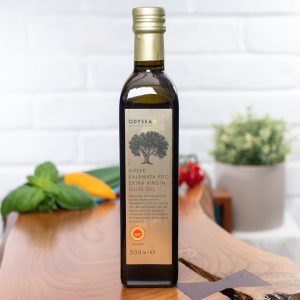
    Odysea Greek Kalamata PDO Extra Virgin Olive Oil 500ml

    Odysea Greek Kalamata PDO Extra Virgin Olive Oil (500ml Bottle)

    £7.75
    Add to basket
  • More info
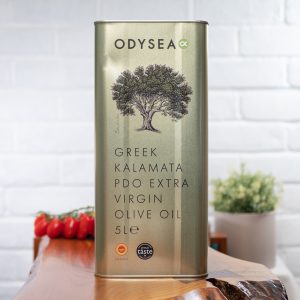
    Odysea Greek Kalamata PDO Extra Virgin Olive Oil 5l tin

    Odysea Greek Kalamata PDO Extra Virgin Olive Oil (5 Litre)

    £59.95
    Add to basket
  • More info
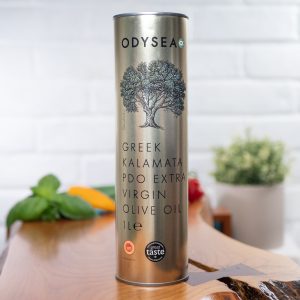
    Odysea - Greek Kalamata PDO Extra Virgin Olive Oil 1l tin

    Odysea Greek Kalamata PDO Extra Virgin Olive Oil (1l Tin)

    £11.95
    Add to basket
  • More info
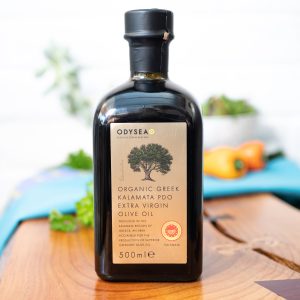
    Odysea - Organic Greek Kalamata PDO Extra Virgin Olive Oil 500ml bottle

    Organic Greek Kalamata PDO Extra Virgin Olive Oil (500ml)

    £9.50
    Add to basket
  • More info
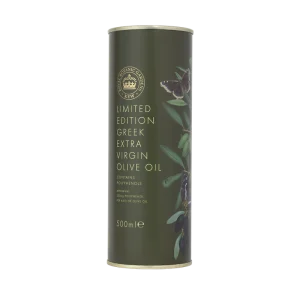
    Kew Limited Edition Greek Extra Virgin Olive Oil (500ml)

    Kew Limited Edition Greek Extra Virgin Olive Oil (500ml)

    £13.95
    Add to basket
  • More info
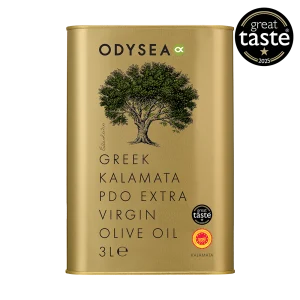
    Odysea Greek Kalamata PDO Extra Virgin Olive Oil (3 Litre)

    Odysea Greek Kalamata PDO Extra Virgin Olive Oil (3 Litre)

    £31.95
    Add to basket

Find Out More About Extra Virgin Olive Oil

Please scroll down to find out more about Odysea kalamata Greek extra virgin olive oil, why it’s so good and useful (and we hope!) interesting articles about extra virgin olive oil in general!

What Is Odysea Kalamata Extra Virgin Olive Oil?

What is Odysea Kalamata Extra Virgin Olive Oil?

It is a high-quality extra virgin olive oil (EVOO) produced using traditional methods and 100% natural olives from Kalamata. It is unrefined, meaning it retains its full flavour profile and health benefits.

What does it taste like?

Expect a smooth, fruity flavour with mild peppery notes and a slightly grassy finish. It is well-balanced, making it ideal for both everyday cooking and finishing dishes.

How can I use it?

This versatile olive oil is perfect for:

  • Salad dressings and vinaigrettes
  • Drizzling over grilled vegetables or meats
  • Dipping with fresh bread
  • Cooking Mediterranean dishes
  • Finishing pasta, soups, and mezze plates

Is it good for health?

Yes. As a cold-pressed extra virgin olive oil, it is naturally rich in antioxidants and monounsaturated fats, which are commonly associated with heart-healthy diets.

Why choose Odysea Kalamata EVOO?

  • Authentic Greek origin from Kalamata
  • Cold-pressed for maximum quality
  • Rich, balanced Mediterranean flavour
  • Suitable for everyday use and gourmet cooking
  • Trusted UK Mediterranean food brand

Where can I use it most?

It works equally well in raw applications (like salads and dips) and light cooking, where its flavour can shine without being lost.

If you’re looking for a reliable, flavourful Greek extra virgin olive oil in the UK, Odysea Kalamata EVOO is a premium pantry essential that brings authentic Mediterranean taste to your kitchen.

How to Use Extra Virgin Olive Oil?

Extra virgin olive oil is one of the most versatile ingredients in any kitchen. Prized for its rich flavour, natural freshness, and smooth texture, it can elevate everything from simple salads to gourmet meals. Whether you’re new to premium olive oil or looking for fresh inspiration, there are countless ways to enjoy this Mediterranean staple.

Drizzle Over Salads

One of the simplest and most popular ways to use extra virgin olive oil is in salad dressings. Its fruity, peppery notes complement fresh vegetables beautifully and can transform a simple salad into something truly special.

For an easy dressing, combine extra virgin olive oil with:

  • Balsamic vinegar
  • Fresh lemon juice
  • Dijon mustard
  • Sea salt and black pepper

Serve as a Bread Dip

Quality extra virgin olive oil deserves to be enjoyed on its own. Pour a small amount into a shallow dish and serve with fresh crusty bread or toasted sourdough.

For extra flavour, add:

  • A pinch of sea salt
  • Cracked black pepper
  • Fresh herbs
  • Balsamic vinegar

This classic Mediterranean appetiser is perfect for entertaining.

Finish Soups and Pasta Dishes

Many chefs use extra virgin olive oil as a finishing ingredient rather than simply a cooking oil.

A drizzle added just before serving can enhance the flavour of:

  • Tomato soup
  • Pumpkin soup
  • Risotto
  • Pasta dishes
  • Roasted vegetables

The oil’s fresh aromas and complex flavours remain more noticeable when added at the end of cooking.

Pair with Cheese

Extra virgin olive oil pairs wonderfully with many cheeses, particularly soft and creamy varieties.

Try it with:

  • Burrata
  • Mozzarella
  • Goat’s cheese
  • Feta
  • Manchego

A drizzle of premium olive oil can add richness and depth while highlighting the cheese’s natural flavours.

Use for Roasting Vegetables

Extra virgin olive oil is ideal for roasting vegetables, helping them develop a golden exterior while keeping the inside tender.

Popular choices include:

  • Potatoes
  • Carrots
  • Courgettes
  • Peppers
  • Aubergines
  • Asparagus

Simply toss the vegetables with olive oil, season with salt and herbs, and roast until caramelised.

Enhance Fish and Seafood

The fresh, clean flavour of extra virgin olive oil pairs exceptionally well with seafood.

Use it to:

  • Finish grilled fish
  • Dress seafood salads
  • Marinate prawns
  • Drizzle over scallops

A squeeze of lemon and a good olive oil is often all that’s needed.

Create Simple Marinades

Extra virgin olive oil forms the foundation of many marinades.

Combine with ingredients such as:

  • Garlic
  • Fresh herbs
  • Lemon zest
  • Citrus juice
  • Mustard

Perfect for marinating chicken, fish, vegetables, and lamb before cooking.

Can You Cook with Extra Virgin Olive Oil?

Yes. Despite common myths, extra virgin olive oil is suitable for many cooking methods, including:

  • Sautéing
  • Roasting
  • Baking
  • Pan-frying

Many Mediterranean cooks use extra virgin olive oil daily for both cooking and finishing dishes.

Which Foods Pair Best with Extra Virgin Olive Oil?

Premium olive oil pairs particularly well with:

  • Fresh tomatoes
  • Burrata and mozzarella
  • Artisan bread
  • Grilled vegetables
  • Pasta
  • Seafood
  • Salads
  • Mediterranean dishes

The key is to let the flavour of the oil shine alongside quality ingredients.

Frequently Asked Questions

Should extra virgin olive oil be used raw or cooked?

Both. It can be used in dressings and dips or for everyday cooking, roasting, and sautéing.

Is extra virgin olive oil good for bread dipping?

Absolutely. High-quality olive oil is one of the most popular accompaniments to fresh bread throughout the Mediterranean.

Can you use extra virgin olive oil on pasta?

Yes. A drizzle over freshly cooked pasta adds flavour, richness, and aroma.

What foods go best with extra virgin olive oil?

Bread, salads, vegetables, seafood, cheese, and Mediterranean dishes are among the best pairings.

How much olive oil should you use?

A little goes a long way. Start with a small drizzle and add more to taste.

A Gourmet Kitchen Essential

From simple appetisers to elegant dinner parties, extra virgin olive oil is one of the easiest ways to add flavour and sophistication to everyday cooking. Whether drizzled over fresh bread, paired with cheese, or used to finish a favourite dish, a premium extra virgin olive oil is an essential ingredient for anyone who appreciates good food.

A Buyers Guide: How to Choose a High-Quality Extra Virgin Olive Oil?

Learn how to choose a high-quality extra virgin olive oil. Discover what to look for, including harvest dates, flavour profiles, origin, packaging, and freshness.

With so many olive oils available, choosing a truly high-quality extra virgin olive oil can feel overwhelming. Labels often feature terms such as “premium,” “cold-pressed,” and “authentic,” but not all olive oils offer the same level of quality, freshness, or flavour.

Whether you’re buying olive oil for cooking, dipping, or gourmet entertaining, understanding what to look for can help you choose an oil that delivers exceptional taste and value.

What Makes Extra Virgin Olive Oil Special?

Extra virgin olive oil (EVOO) is the highest grade of olive oil available. It is produced by mechanically pressing fresh olives without excessive heat or chemical processing, helping to preserve the oil’s natural flavour, aroma, and beneficial compounds.

A high-quality extra virgin olive oil should be fresh, vibrant, and full of character, offering a flavour profile that reflects the olives and the region where they were grown.

Check the Harvest Date

One of the most important indicators of quality is freshness.

Unlike wine, olive oil does not improve with age. Freshly harvested olives produce oils with brighter flavours and more pronounced aromas.

When possible, look for:

  • A clearly displayed harvest date
  • Recent harvests
  • Producers that prioritise freshness

The closer the oil is to its harvest date, the more vibrant and flavourful it is likely to be.

Look for Extra Virgin Certification

The term “extra virgin” indicates that the oil meets strict quality standards regarding acidity and flavour.

Authentic extra virgin olive oil should be:

  • Unrefined
  • Mechanically extracted
  • Free from flavour defects
  • Naturally rich in flavour and aroma

Choosing oils from reputable producers helps ensure authenticity and consistency.

Pay Attention to Packaging

Light, heat, and air can all affect the quality of olive oil.

High-quality producers typically package their oils in:

  • Dark glass bottles
  • Opaque containers
  • Protective tins

These help preserve freshness and protect the oil from oxidation.

Clear plastic bottles may expose the oil to light, potentially reducing quality over time.

Understand the Country and Region of Origin

Like wine, olive oil reflects its place of origin.

Some of the world’s most respected olive oil regions include:

  • Provence in France
  • Tuscany in Italy
  • Andalusia in Spain
  • Crete and the Peloponnese in Greece

Different regions produce oils with distinctive flavour characteristics, ranging from mild and buttery to bold and peppery.

Many gourmet food lovers enjoy exploring oils from different countries to discover their preferred style.

Learn to Recognise Quality Flavours

A common misconception is that good olive oil should taste neutral.

In reality, premium extra virgin olive oil often displays a range of complex flavours, including:

  • Fresh grass
  • Green apple
  • Almond
  • Artichoke
  • Tomato leaf
  • Herbs
  • Pepper

A pleasant peppery sensation at the back of the throat is often a sign of freshness and naturally occurring antioxidants.

Single Estate vs Blended Olive Oils

Both styles can be excellent, but they offer different experiences.

Single Estate Olive Oil

Produced from olives grown on one estate or farm.

Benefits include:

  • Traceability
  • Distinct regional character
  • Consistent production methods

Blended Olive Oil

Made from olives sourced from multiple groves or varieties.

Benefits include:

  • Balanced flavour profiles
  • Consistency between harvests
  • Greater complexity in some cases

The choice often comes down to personal preference.

Consider How You Plan to Use It

Different oils suit different purposes.

For Bread Dipping

Choose oils with bold, fruity, and peppery flavours.

For Salads

Look for fresh, aromatic oils that complement vegetables and herbs.

For Cooking

A versatile extra virgin olive oil with balanced flavour works well for everyday use.

For Finishing Dishes

Premium single-estate oils are ideal for drizzling over pasta, fish, soups, and vegetables just before serving.

Common Signs of High-Quality Extra Virgin Olive Oil

When shopping for olive oil, look for:

✓ Extra virgin classification

✓ Recent harvest date

✓ Dark bottle or protective tin

✓ Clearly stated country or region of origin

✓ Reputable producer

✓ Fresh, fruity aroma

✓ Pleasant peppery finish

Frequently Asked Questions

What is the best extra virgin olive oil?

The best olive oil depends on your taste preferences. High-quality oils should be fresh, well-balanced, and produced by reputable growers.

Why is some olive oil peppery?

The peppery sensation comes from natural compounds called polyphenols. These are often associated with fresh, high-quality olive oils.

Is expensive olive oil always better?

Not necessarily. While premium oils often reflect higher production standards, freshness and producer quality are more important than price alone.

Does olive oil expire?

Yes. Olive oil is best enjoyed while fresh and should be stored away from heat, light, and air.

What colour should olive oil be?

Colour can range from golden yellow to deep green depending on the olive variety and harvest conditions. Colour alone is not a reliable indicator of quality.

Choosing Olive Oil with Confidence

A high-quality extra virgin olive oil can transform everyday meals and elevate simple ingredients. By paying attention to freshness, origin, packaging, and flavour, you can confidently select an olive oil that reflects the craftsmanship and character that make this Mediterranean staple so highly prized.

Whether you’re drizzling it over a salad, pairing it with artisan bread, or finishing a favourite dish, choosing the right extra virgin olive oil ensures you enjoy its full flavour and gourmet potential.

Can You Cook with Extra Virgin Olive Oil? A Complete Guide

Can you cook with extra virgin olive oil? Discover the best ways to use EVOO for roasting, sautéing, baking, frying and finishing dishes, plus expert cooking tips.

One of the most common questions people ask is whether extra virgin olive oil should only be used for salads and finishing dishes. The simple answer is yes, you can absolutely cook with extra virgin olive oil.

In fact, extra virgin olive oil has been used for everyday cooking throughout the Mediterranean for centuries. From sautéing vegetables to roasting meats and baking breads, it remains one of the most versatile ingredients in the kitchen.

Can You Heat Extra Virgin Olive Oil?

Yes. Despite persistent myths, extra virgin olive oil is suitable for many common cooking methods.

These include:

  • Sautéing
  • Roasting
  • Baking
  • Pan-frying
  • Grilling
  • Slow cooking

When used appropriately, extra virgin olive oil performs exceptionally well while adding flavour and character to your dishes.

Why Do People Think You Can’t Cook with Extra Virgin Olive Oil?

Many people believe that heating extra virgin olive oil destroys its flavour or makes it unsuitable for cooking.

In reality, quality extra virgin olive oil is regularly used in home kitchens and professional restaurants alike. While some of its delicate aromas may soften during cooking, it still contributes flavour and richness that many other oils cannot match.

This is one reason why extra virgin olive oil remains a cornerstone of Mediterranean cuisine.

Best Ways to Cook with Extra Virgin Olive Oil

Sautéing Vegetables

Extra virgin olive oil is ideal for gently cooking vegetables.

It works particularly well with:

  • Courgettes
  • Peppers
  • Onions
  • Mushrooms
  • Aubergines
  • Spinach

The oil enhances natural flavours while helping vegetables develop a beautiful texture.

Roasting Vegetables

Roasting is one of the easiest ways to use extra virgin olive oil.

Simply toss vegetables with olive oil, seasonings, and herbs before cooking.

Perfect for:

  • Potatoes
  • Carrots
  • Asparagus
  • Squash
  • Root vegetables

The result is a golden, caramelised finish and excellent flavour.

Cooking Fish and Seafood

The fresh, fruity notes of olive oil pair naturally with seafood.

Use it to:

  • Roast fish fillets
  • Grill prawns
  • Cook scallops
  • Prepare seafood pasta dishes

A drizzle of quality olive oil and a squeeze of lemon can be all that’s needed.

Cooking Meat and Poultry

Extra virgin olive oil is commonly used in marinades and cooking preparations for:

  • Chicken
  • Lamb
  • Pork
  • Beef

Its flavour complements herbs, garlic, and Mediterranean seasonings particularly well.

Baking with Olive Oil

Many traditional Mediterranean cakes, breads, and pastries use olive oil instead of butter.

Benefits include:

  • Moist texture
  • Rich flavour
  • Simple preparation

Olive oil cakes are especially popular because of their light, tender crumb.

Is Extra Virgin Olive Oil Good for Frying?

For shallow frying and pan-frying, yes.

Extra virgin olive oil is widely used for:

  • Fried eggs
  • Fish
  • Chicken
  • Vegetables
  • Mediterranean recipes

Many chefs prefer it because it adds flavour while producing excellent cooking results.

For deep frying large quantities of food, some people prefer a more neutral oil, largely for cost reasons rather than cooking performance.

When Should You Use Extra Virgin Olive Oil Raw?

While it performs well in cooking, some of its finest qualities are most noticeable when served uncooked.

Try using it:

  • On salads
  • With fresh bread
  • Over burrata or mozzarella
  • On grilled vegetables
  • To finish soups
  • Over pasta dishes

This allows the oil’s fruity aromas and peppery notes to shine.

Does Cooking Destroy the Benefits of Extra Virgin Olive Oil?

Extra virgin olive oil naturally contains antioxidants and beneficial compounds that contribute to its popularity.

While some compounds may decrease during prolonged high-heat cooking, extra virgin olive oil remains a valuable and widely used ingredient in both cooked and uncooked dishes.

For maximum flavour, many cooks use olive oil during cooking and add an additional drizzle just before serving.

Which Extra Virgin Olive Oil Is Best for Cooking?

A balanced, versatile extra virgin olive oil is often the best choice for everyday cooking.

Look for oils that offer:

  • Fresh flavour
  • Good quality ingredients
  • Reliable provenance
  • Balanced fruitiness

Premium single-estate oils are often reserved for finishing dishes where their distinctive flavour can be fully appreciated.

Frequently Asked Questions

Can you fry with extra virgin olive oil?

Yes. Extra virgin olive oil is suitable for sautéing, pan-frying, and many everyday cooking methods.

Can you roast vegetables with extra virgin olive oil?

Absolutely. It is one of the most popular oils for roasting vegetables and Mediterranean dishes.

Is extra virgin olive oil only for salads?

No. While excellent in dressings and dips, it is also widely used for cooking, roasting, baking, and grilling.

Does olive oil lose its flavour when heated?

Some delicate aromas may soften during cooking, but extra virgin olive oil still contributes flavour and richness to cooked dishes.

What is the best use for premium extra virgin olive oil?

Many food lovers enjoy premium oils as finishing oils, drizzled over salads, vegetables, fish, soups, and artisan bread.

A Versatile Kitchen Essential

Extra virgin olive oil is far more than a finishing ingredient. From roasting vegetables and cooking seafood to baking cakes and preparing everyday meals, it is one of the most versatile oils available. Whether used for cooking or served raw, a high-quality extra virgin olive oil brings flavour, character, and a touch of Mediterranean tradition to every dish.

How To Store Extra Virgin Olive Oil? Storage Tips & Shelf Life Guide

Learn how to store extra virgin olive oil correctly to preserve freshness, flavour and quality. Discover shelf life, storage tips, and answers to common olive oil questions.

Proper storage is essential if you want to enjoy the full flavour, freshness, and quality of extra virgin olive oil. Unlike wine, olive oil does not improve with age. It is at its best when enjoyed fresh and stored correctly.

By protecting your olive oil from light, heat, and air, you can help preserve its fruity aromas, peppery notes, and natural characteristics for longer.

Why Proper Storage Matters

Extra virgin olive oil is a natural product rich in flavour compounds and antioxidants. Over time, exposure to heat, oxygen, and sunlight can cause the oil to deteriorate, affecting both its taste and aroma.

Poorly stored olive oil may lose its freshness and develop stale or rancid flavours, which is why storage plays such an important role in maintaining quality.

Where Should You Store Extra Virgin Olive Oil?

The ideal place to store olive oil is in a cool, dark cupboard away from direct sunlight and sources of heat.

Good storage locations include:

  • Kitchen cupboards
  • Pantry shelves
  • Cool storage cabinets

Avoid placing olive oil next to:

  • Ovens
  • Hobs
  • Radiators
  • Dishwashers
  • Sunny windowsills

Consistent temperatures help maintain the oil’s quality and flavour.

Should Olive Oil Be Refrigerated?

In most cases, refrigeration is not necessary.

Extra virgin olive oil is best stored at cool room temperature. When refrigerated, olive oil may become cloudy or partially solidify. While this does not damage the oil, it can affect its texture and make it less convenient to use.

For everyday use, a cool, dark cupboard is usually the best option.

Protect Olive Oil from Light

Light is one of the main factors that can reduce olive oil quality over time.

This is why many premium producers package their oils in:

  • Dark glass bottles
  • Opaque bottles
  • Metal tins

These containers help shield the oil from harmful light exposure and preserve freshness.

If your olive oil comes in a clear bottle, store it away from direct light whenever possible.

Keep the Bottle Tightly Sealed

Air exposure can gradually affect the flavour and freshness of olive oil.

To minimise oxidation:

  • Replace the cap immediately after use
  • Keep bottles tightly sealed
  • Avoid leaving bottles open for extended periods

This simple habit can help preserve the oil’s quality for longer.

How Long Does Extra Virgin Olive Oil Last?

Most extra virgin olive oils are best enjoyed within 12 to 24 months of harvest, although exact shelf life varies depending on the producer and storage conditions.

For the best flavour:

  • Check the best-before date
  • Use within a reasonable period after opening
  • Store correctly between uses

Fresh olive oil generally offers brighter flavours and more pronounced aromas than older oils.

How Can You Tell If Olive Oil Has Gone Bad?

Olive oil does not spoil in the same way as fresh food, but it can become rancid over time.

Signs include:

  • Flat or dull flavour
  • Lack of fresh aroma
  • Waxy or stale taste
  • Musty or cardboard-like notes

High-quality olive oil should smell fresh and taste vibrant.

Is It Better to Buy Small or Large Bottles?

The answer depends on how frequently you use olive oil.

Smaller Bottles

Ideal if:

  • You use olive oil occasionally
  • You enjoy trying different varieties
  • You want maximum freshness

Larger Bottles

Ideal if:

  • You cook with olive oil daily
  • You have a larger household
  • You use olive oil regularly in recipes

The key is to choose a size that you will use while the oil remains fresh.

Frequently Asked Questions

Does extra virgin olive oil need to be refrigerated?

No. A cool, dark cupboard is generally the best place to store olive oil.

Why has my olive oil become cloudy?

Olive oil may become cloudy when exposed to cold temperatures. This is normal and does not affect quality.

Can sunlight damage olive oil?

Yes. Direct sunlight can accelerate the deterioration of olive oil and reduce its freshness.

How long does olive oil last once opened?

When stored correctly, olive oil can remain enjoyable for many months after opening, although it is best consumed while fresh.

What is the best container for olive oil?

Dark glass bottles and metal tins help protect olive oil from light and preserve quality.

Keep Your Olive Oil at Its Best

A premium extra virgin olive oil deserves proper care. By storing it in a cool, dark place, keeping the bottle tightly sealed, and protecting it from heat and sunlight, you can enjoy its full flavour and freshness for longer. Whether you’re using it for cooking, dipping, or finishing dishes, good storage ensures every drop tastes as it should.

Extra Virgin Olive Oil FAQ | Uses, Storage, Health Benefits & Tips

Find answers to the most common questions about extra virgin olive oil, including how to use it, store it, cook with it, and choose a high-quality EVOO.

Extra virgin olive oil (EVOO) is one of the most loved ingredients in gourmet cooking, but it also raises many questions for customers. Below you’ll find clear, simple answers to the most common queries to help you choose, use, and enjoy olive oil with confidence.

What is extra virgin olive oil?

Extra virgin olive oil is the highest quality olive oil available. It is made by mechanically pressing fresh olives without heat or chemicals, preserving its natural flavour, aroma, and nutritional compounds. It should taste fresh, fruity, and slightly peppery when high quality.

Is extra virgin olive oil healthier than regular olive oil?

Yes. Extra virgin olive oil retains more natural antioxidants and polyphenols because it is less processed than regular olive oil. These compounds are part of why it is widely used in Mediterranean-style diets and gourmet cooking.

Can you cook with extra virgin olive oil?

Yes. Extra virgin olive oil is suitable for sautéing, roasting, baking, and pan-frying. It is also commonly used raw in dressings, dips, and finishing dishes. It is one of the most versatile cooking oils in the kitchen.

What does extra virgin olive oil taste like?

High-quality EVOO should taste fresh and complex, often with notes of grass, green apple, herbs, almonds, or tomato leaf. A slight peppery sensation at the back of the throat is often a sign of freshness and quality.

Why does olive oil sometimes taste peppery or bitter?

Peppery or slightly bitter notes come from natural antioxidants called polyphenols. These are more present in fresh, high-quality extra virgin olive oil and are considered a positive sign of quality rather than a defect.

How should extra virgin olive oil be stored?

Store olive oil in a cool, dark place away from heat and sunlight. A kitchen cupboard or pantry is ideal. Keep the bottle tightly sealed after each use to protect it from oxygen and preserve freshness.

Does extra virgin olive oil expire?

Yes. Olive oil does not improve with age and is best consumed within 12–24 months of harvest. Once opened, it is best used within a few months for optimal flavour.

Should olive oil be refrigerated?

Refrigeration is not necessary. In fact, it may cause the oil to become cloudy or solidify temporarily. This is harmless but not ideal for everyday use.

What is the difference between extra virgin and virgin olive oil?

Extra virgin olive oil is the highest grade, with superior flavour and lower acidity. Virgin olive oil is slightly lower in quality and may have minor flavour defects, while still being suitable for cooking.

Can you use extra virgin olive oil for frying?

Yes. Extra virgin olive oil is commonly used for shallow frying and pan-frying in Mediterranean cooking. It performs well under normal cooking temperatures and adds flavour to dishes.

Why is some olive oil more expensive than others?

Price is influenced by factors such as harvest quality, origin, production methods, yield, and freshness. Premium extra virgin olive oil often comes from carefully selected olives and small-batch production.

What foods pair best with extra virgin olive oil?

Extra virgin olive oil pairs beautifully with:

  • Fresh bread and bruschetta
  • Salads and vegetables
  • Grilled fish and seafood
  • Pasta dishes
  • Cheese such as burrata or mozzarella
  • Mediterranean dishes

Is cloudy olive oil bad?

No. Cloudiness can occur when olive oil is stored in cold temperatures. It is completely natural and does not affect quality. The oil will return to normal when brought back to room temperature.

How can you tell if olive oil is high quality?

Look for:

  • “Extra virgin” label
  • Fresh harvest date (if available)
  • Dark glass or tin packaging
  • Fruity, fresh aroma
  • Peppery finish
  • Clear country or region of origin

A Final Note

Extra virgin olive oil is more than just a cooking ingredient—it is a cornerstone of Mediterranean cuisine and gourmet dining. Whether used raw or in cooking, choosing a high-quality oil and storing it correctly ensures you enjoy its full flavour, freshness, and character in every dish.

Mediterranean Diet and Olive Oil | Health, Uses & Benefits Explained

Discover the role of extra virgin olive oil in the Mediterranean diet. Learn how it is used, its benefits, and why it is a key ingredient in healthy Mediterranean cooking.

The Mediterranean diet is widely recognised as one of the healthiest and most balanced ways of eating in the world. At the heart of this traditional lifestyle is one key ingredient: extra virgin olive oil.

More than just a cooking fat, olive oil is a daily staple across countries such as Italy, Greece, Spain, and southern France, where it is used generously in everything from salads and vegetables to fish, grains, and bread.

What Is the Mediterranean Diet?

The Mediterranean diet is based on the traditional eating habits of people living around the Mediterranean Sea. It is not a strict diet, but rather a way of eating focused on:

  • Fresh vegetables and fruits
  • Whole grains and legumes
  • Nuts and seeds
  • Fish and seafood
  • Moderate dairy and poultry
  • Minimal processed foods
  • Extra virgin olive oil as the primary fat

This approach emphasises fresh, seasonal ingredients and simple cooking methods that allow natural flavours to shine.

Why Olive Oil Is the Foundation of the Mediterranean Diet

Extra virgin olive oil is the central fat in the Mediterranean diet, replacing butter, margarine, and highly processed oils.

It is valued for:

  • Rich, natural flavour
  • Smooth texture and versatility
  • Ability to enhance simple ingredients
  • Long tradition in Mediterranean cooking

Rather than being used sparingly, olive oil is often enjoyed daily in dressings, cooking, and finishing dishes.

How Olive Oil Is Used in Mediterranean Cooking

Across Mediterranean countries, olive oil is used in many everyday ways:

In Salads and Vegetables

Fresh vegetables are commonly dressed with olive oil, lemon, and herbs for simple, flavourful dishes.

For Cooking and Sautéing

Olive oil is used for gently cooking vegetables, fish, and meats at moderate temperatures.

With Bread

A traditional Mediterranean appetiser is crusty bread dipped in extra virgin olive oil, sometimes with salt, herbs, or balsamic vinegar.

In Legumes and Grains

Olive oil is often drizzled over lentils, beans, rice, and couscous to add richness and depth.

As a Finishing Oil

A final drizzle of olive oil is commonly added to soups, pasta, grilled vegetables, and seafood just before serving.

Health and Lifestyle Benefits

The Mediterranean diet has been associated with a range of lifestyle benefits, largely due to its focus on whole foods and healthy fats like olive oil.

Extra virgin olive oil is naturally rich in:

  • Monounsaturated fats
  • Antioxidants
  • Polyphenols

These compounds contribute to its reputation as a heart-friendly dietary staple and an essential part of balanced eating.

Olive Oil and Simple, Fresh Ingredients

One of the defining features of the Mediterranean diet is simplicity. Instead of heavy sauces or complex preparation, dishes rely on a few high-quality ingredients.

Extra virgin olive oil enhances:

  • Fresh tomatoes and basil
  • Grilled fish and seafood
  • Roasted vegetables
  • Soft cheeses such as feta and mozzarella
  • Whole grains and legumes

Its flavour ties ingredients together while allowing their natural character to shine.

Mediterranean Eating as a Lifestyle

The Mediterranean diet is not only about food—it also reflects a slower, more mindful approach to eating. Meals are often shared with family and friends, enjoyed slowly, and centred around seasonal, high-quality ingredients.

Extra virgin olive oil plays a role in this lifestyle as a symbol of:

  • Tradition
  • Simplicity
  • Quality ingredients
  • Everyday indulgence

How to Bring the Mediterranean Diet Into Your Kitchen

You don’t need to live in the Mediterranean to enjoy its benefits. Simple changes can bring this approach into your everyday cooking:

  • Use extra virgin olive oil instead of butter or margarine
  • Add olive oil to salads and vegetables
  • Cook more meals from fresh, whole ingredients
  • Finish dishes with a drizzle of quality olive oil
  • Pair meals with herbs, citrus, and seasonal produce

Even small adjustments can significantly improve flavour and variety in everyday meals.

A Timeless Ingredient at the Heart of Mediterranean Cuisine

Extra virgin olive oil is more than an ingredient—it is the foundation of one of the world’s most celebrated food cultures. Its rich flavour, versatility, and natural character make it essential to Mediterranean cooking and gourmet cuisine alike.

Whether used for cooking, dressing, or finishing dishes, high-quality olive oil brings authenticity, simplicity, and elegance to every meal.

Olive Oil Pairing Guide | Best Foods to Eat with Extra Virgin Olive Oil

Discover the best foods to pair with extra virgin olive oil, including bread, cheese, vegetables, seafood, pasta, salads, and more. A complete gourmet pairing guide.

Extra virgin olive oil is one of the most versatile ingredients in gourmet cuisine. Its flavour can range from smooth and buttery to bold, grassy, and peppery, making it an ideal companion for a wide variety of foods.

Knowing how to pair olive oil correctly can elevate simple ingredients into a refined Mediterranean-style experience. Whether you’re serving a casual starter or building a gourmet dish, the right pairing makes all the difference.

Olive Oil and Bread: The Classic Pairing

One of the simplest and most iconic ways to enjoy extra virgin olive oil is with fresh bread.

Best options include:

  • Crusty baguette
  • Sourdough bread
  • Ciabatta
  • Rustic country bread
  • Toasted brioche

For extra flavour, you can add sea salt, cracked black pepper, or a drizzle of balsamic vinegar. This simple combination is a staple of Mediterranean dining.

Olive Oil and Cheese Pairings

Extra virgin olive oil pairs beautifully with both soft and aged cheeses.

Soft Cheeses:

  • Burrata
  • Mozzarella
  • Ricotta
  • Goat’s cheese

Aged Cheeses:

  • Parmesan
  • Pecorino
  • Manchego

A drizzle of high-quality olive oil adds richness and balance, especially when paired with fresh herbs or honey.

Olive Oil and Vegetables

Olive oil enhances both raw and cooked vegetables, bringing out natural sweetness and depth.

Excellent pairings include:

  • Tomatoes and basil
  • Grilled courgettes
  • Roasted peppers
  • Asparagus
  • Aubergine
  • Artichokes

It works especially well in simple Mediterranean salads or as a finishing oil over roasted vegetables.

Olive Oil and Seafood

The clean, fruity character of extra virgin olive oil pairs naturally with seafood.

Try it with:

  • Grilled fish
  • Seared scallops
  • Prawns and shrimp
  • Octopus salad
  • Anchovies

A finishing drizzle of olive oil with lemon juice and sea salt is a classic coastal preparation.

Olive Oil and Pasta Dishes

Olive oil is essential in Italian and Mediterranean pasta dishes, both as a cooking fat and finishing touch.

Ideal pairings include:

  • Spaghetti aglio e olio
  • Tomato-based pasta sauces
  • Pesto pasta
  • Seafood linguine
  • Fresh ravioli or tortellini

A final drizzle before serving adds aroma and richness.

Olive Oil and Salads

Extra virgin olive oil is the foundation of most Mediterranean salad dressings.

It pairs well with:

  • Leafy green salads
  • Rocket and parmesan salad
  • Greek salad
  • Citrus-based salads
  • Grain salads (quinoa, couscous, bulgur)

Combine with lemon juice, vinegar, mustard, or herbs for a simple vinaigrette.

Olive Oil and Fruits (A Gourmet Surprise)

While less common, olive oil pairs beautifully with fresh fruits in modern gourmet cuisine.

Try it with:

  • Strawberries
  • Oranges
  • Figs
  • Peaches
  • Apples

A drizzle of high-quality olive oil over fruit can enhance sweetness and create a refined dessert-style dish.

Olive Oil and Soups

Finishing soups with olive oil adds depth, aroma, and a silky texture.

Best pairings include:

  • Tomato soup
  • Lentil soup
  • Pumpkin soup
  • Vegetable soups
  • Minestrone

A swirl of olive oil just before serving enhances both flavour and presentation.

Olive Oil and Mediterranean Mezze

Olive oil is central to Mediterranean mezze and small-plate dining.

Perfect with:

  • Hummus
  • Baba ganoush
  • Tapenade
  • Falafel
  • Stuffed vine leaves

It adds richness and ties together a variety of flavours on a shared table.

How to Choose the Right Olive Oil for Pairing

Not all olive oils taste the same, and pairing depends on flavour intensity.

Mild, Smooth Olive Oils:

Best for:

  • Delicate fish
  • Soft cheeses
  • Light salads

Bold, Peppery Olive Oils:

Best for:

  • Bread dipping
  • Grilled vegetables
  • Rich meats
  • Hearty dishes

Understanding intensity helps you match the oil to the dish for the best experience.

A Final Note

Extra virgin olive oil is more than a cooking ingredient—it is a flavour enhancer that connects simple, high-quality foods. Whether drizzled over fresh bread, paired with cheese, or used to finish a gourmet dish, it brings balance, richness, and Mediterranean character to every meal.

Once you start exploring pairings, you’ll discover just how essential olive oil is to everyday gourmet cooking.

What Is Cold Pressed Olive Oil? | Meaning, Process & Benefits Explained

Learn what cold pressed olive oil means, how it is made, and why it matters. Discover the difference between cold pressed and refined olive oils in simple terms.

What Is Cold Pressed Olive Oil?

Cold pressed olive oil is olive oil that is extracted from fresh olives without the use of high heat or industrial refining processes. Instead, the oil is obtained through mechanical pressing or centrifugation at controlled low temperatures, designed to preserve the natural flavour, aroma, and nutritional qualities of the olives.

For many olive oil buyers, “cold pressed” is a term associated with quality—but understanding what it actually means helps you choose better oils and appreciate the difference between premium and standard products.

At The Good Food Network, we focus on extra virgin olive oils produced using careful low-temperature extraction methods that protect flavour and freshness.


What Does “Cold Pressed” Actually Mean?

Traditionally, olives were crushed using stone mills and pressed into paste to extract oil. Today, most high-quality producers use modern stainless steel systems, but the principle remains the same: the oil is extracted without excessive heat.

Cold pressed means:

  • The olives are processed at low temperatures (typically below ~27°C)
  • No chemical solvents are used
  • Extraction is purely mechanical
  • The oil is not refined after extraction

This helps preserve the natural compounds that give olive oil its flavour and health benefits.


Cold Pressed vs Extra Virgin Olive Oil

A common point of confusion is the relationship between “cold pressed” and “extra virgin.”

Cold Pressed Olive Oil

  • Describes the method of extraction
  • Focuses on temperature and technique

Extra Virgin Olive Oil (EVOO)

  • A quality grade
  • Must meet strict chemical and sensory standards (including low acidity and clean taste)

In modern production, most extra virgin olive oil is also cold extracted, but not all olive oils labelled “cold pressed” are necessarily high-grade extra virgin.


Why Cold Pressing Matters

Cold extraction is important because heat can damage delicate compounds in olive oil.

By avoiding high temperatures, producers preserve:

  • Natural flavour compounds (polyphenols)
  • Aroma and freshness
  • Antioxidants
  • Nutritional quality

This is why cold pressed oils often taste more vibrant, peppery, and complex compared to refined oils.


What Does Cold Pressed Olive Oil Taste Like?

Cold pressed olive oil typically has a more expressive flavour profile than refined oils.

You may notice:

  • Fresh grassy or green notes
  • Fruity undertones
  • Peppery finish at the back of the throat
  • Slight bitterness (a sign of quality in fresh EVOO)

These characteristics vary depending on olive variety, region, and harvest time.


Is Cold Pressed Olive Oil Better?

Cold pressed olive oil is generally considered higher quality than oils that have been refined or processed with heat.

However, quality depends on more than just the method:

A good olive oil should also have:

  • Fresh harvest timing
  • Proper storage (away from light and heat)
  • Low acidity levels
  • Good provenance and traceability

Cold pressing supports quality, but it is not the only factor.


Cold Pressed vs Refined Olive Oil

Here’s the key difference:

Cold Pressed / Extra Virgin

  • Minimal processing
  • Rich flavour
  • Natural nutrients preserved
  • Suitable for finishing and low-to-medium heat cooking

Refined Olive Oil

  • Processed using heat and/or chemicals
  • Neutral flavour
  • Lower nutritional content
  • More stable for high-heat cooking

Cold pressed oils are generally preferred for gourmet use.


Can You Cook with Cold Pressed Olive Oil?

Yes, you can cook with cold pressed olive oil, especially extra virgin varieties.

It works well for:

  • Light sautéing
  • Roasting vegetables
  • Finishing dishes
  • Drizzling over salads and bread

Despite common myths, high-quality extra virgin olive oil is stable enough for most home cooking.


Why Cold Pressed Olive Oil Is Popular in Gourmet Cooking

Chefs and food lovers prefer cold pressed oils because they:

  • Add flavour rather than just fat
  • Enhance dishes instead of masking them
  • Offer freshness and complexity
  • Reflect the quality of the olive harvest

It is not just an ingredient—it is a finishing touch.


How to Identify a Good Cold Pressed Olive Oil

When buying, look for:

  • “Extra virgin” on the label (important quality marker)
  • Harvest date or vintage year
  • Dark glass or tin packaging
  • Clear origin (single estate or region)
  • Fresh, slightly peppery aroma

Avoid oils with vague labelling or no production details.


Final Thoughts

Cold pressed olive oil refers to oil extracted at low temperatures to preserve flavour, aroma, and nutritional quality. While the term itself describes a method rather than a grade, it is closely associated with high-quality extra virgin olive oil.

For food lovers, cold pressed olive oil offers a fresher, more expressive, and more authentic taste of the olive itself—making it a cornerstone of gourmet cooking and Mediterranean cuisine.

Also of interest...

Extra Virgin Olive Oil

Extra Virgin Olive Oil vs. Regular Olive Oil: What’s the Difference and Why Does It Matter?

Christian

When browsing gourmet food shelves or shopping online, you’ve probably noticed multiple types of olive oil. One bottle proudly displays “Extra Virgin Olive Oil,” while another simply says “Olive Oil.” They may look similar, but the differences are significant—and they can affect everything from flavor and nutrition to cooking performance […]

Olives

Health Benefits Of Olive Oil

Martin Nolan

Olive Oil gets a bad wrap. If you were just to listen to what most people say about it, you’d think that it’s fattening, unhealthy and high in calories. But if that were the case, everyone in the Mediterranean would be overweight, and you wouldn’t have doctors everywhere recommending the […]

Odysea Greek Food

Odysea Greek Fine Foods Since 1991

Christian

Are you wondering why a French food website is talking about Greek fine foods? Well, let me tell you a little bit about The Good Food Network’s history. Founded in 1996 by Paul Gimblett, our initial vision was to become a leading mail-order French food business. We created a catalogue […]

Customer Reviews

Average Customer Rating

Excellent Service

Our cassoulet has arrived safely. Very much looking forward to it and thanks again for your excellent service.

Perfect Delivery

The goods arrived in perfect order together with delectable shortbread, for which thanks also. Keep up the good work.

Well Packed

Thank you for the carefully packed order, received today as promised.

Thank You For Extras

Everything has arrived plus extra salted caramel chocolates as well as shortbread!! Merci beaucoup!

Lovely Looking Fine Foods

Thank you again. The products look good and we will enjoy trying them all.

Good Communication

Thank you so much for taking the time to respond to my inquiry, I appreciate it very much.

Exceptional Caviar

I had to write to you after what I just experienced. There is no exaggeration on this whatsoever it was beyond exceptional! If I could eat 125 grams now I would it is that good.

Fabulous Foie Gras

We consumed the fabulous foie gras last night between three. Very piggy, considering it was 280g. Such a treat.

Kind Touch

Thank you for your warm, kind message. It was very much appreciated. The Marron Glace were enjoyed Christmas Day with great enthusiasm.

Excellent Range

Everything I’ve had from you has always been amazing ... and I was telling everyone who I got it from.

Prompt Reply

Many thanks for such a super prompt reply, and especially at this time of year.

Long Term Customer Relationships

You could not be more kind and generous. I feel you run things in a totally faultless way. You have very positive reviews!

Fine food news

Sign up to our newsletter

Be the first to hear about our special offers, recommendations and new fine foods!

You can unsubscribe anytime. For more details, review our Privacy Policy.

Gourmet French Food Online
  • About
  • Delivery, Payment & Returns Information
  • Newsletter
  • Contact
  • Terms and Conditions
  • Privacy Statement (UK)
  • Cookie Policy (UK)
  • Disclaimer
  • Site Map

The Good Food Network Ltd
15 Edgeborough Way
Bromley
Kent
BR1 2UA
United Kingdom

info@thegoodfoodnetwork.co.uk

Secured by

Opayp - Formerly Sagepay

Pay using

© Copyright: The Good Food Network 2026. eCommerce Design & Build: Pad Creative. This site uses cookies. You can read how we use them in our Privacy Policy