Bouillabaisse and French fish soup are two of France’s most famous seafood dishes. Both celebrate the country’s rich maritime heritage and share many of the same ingredients, which often leads people to assume they are the same thing.
While they are closely related, bouillabaisse and French fish soup are distinct dishes with different origins, textures, serving styles and dining experiences.
If you’ve ever wondered which is which, this guide explains everything you need to know.
What Is French Fish Soup?
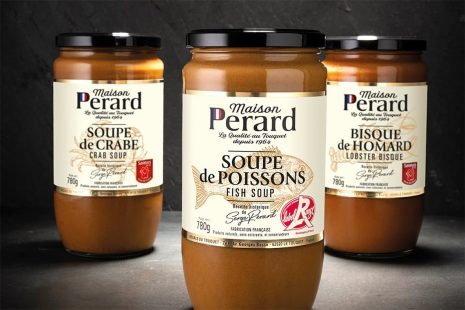
French fish soup, known as soupe de poissons, is a traditional seafood soup made by simmering fish, fish bones, shellfish, vegetables, herbs and seasonings to create a rich and flavourful stock.
After cooking, the ingredients are often blended and strained to produce a smooth, velvety soup.
It is commonly served as:
- A starter
- A light lunch
- A first course in a seafood meal
The emphasis is on concentrated seafood flavour and a refined texture.
What Is Bouillabaisse?
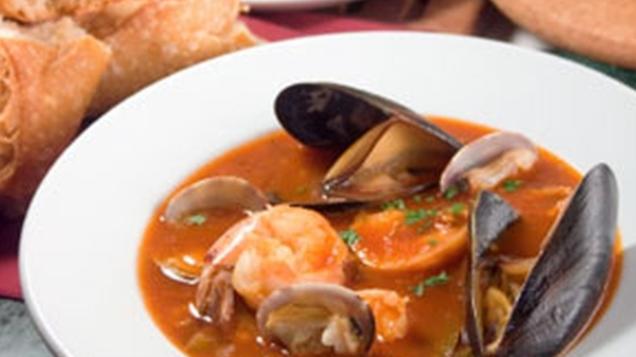
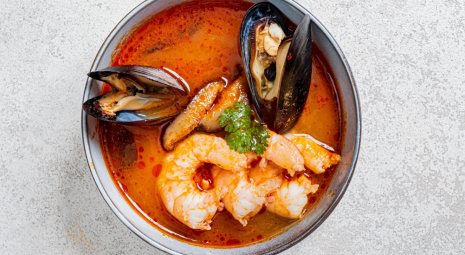
Bouillabaisse is a famous seafood stew originating from the port city of Marseille in southern France.
Traditionally made by fishermen using unsold catch, bouillabaisse features whole pieces of fish and seafood gently cooked in an aromatic broth flavoured with saffron, herbs and vegetables.
Unlike fish soup, bouillabaisse is typically served as a substantial main course.
The dish often includes:
- Multiple fish varieties
- Mussels
- Shellfish
- Potatoes
- Saffron-infused broth
- Rouille and toasted bread
It is considered one of the signature dishes of Provençal cuisine.
The Main Difference: Texture
The most obvious difference between bouillabaisse and French fish soup is texture.
French Fish Soup
French fish soup is generally:
- Blended
- Smooth
- Velvety
- Uniform in consistency
The fish and vegetables are incorporated into the soup itself, creating a rich and refined result.
Bouillabaisse
Bouillabaisse is typically:
- Chunky
- Broth-based
- Served with whole pieces of fish
- More substantial
The seafood remains intact and forms a major part of the dining experience.
If you enjoy a smooth soup, French fish soup is usually the better choice. If you prefer identifiable seafood pieces and a heartier meal, bouillabaisse may be more appealing.
Differences in Origin
French Fish Soup
Fish soup is found throughout France and has regional variations across:
- Brittany
- Normandy
- Provence
- The Opal Coast
- Atlantic coastal regions
Each area adapts the recipe to local seafood traditions.
Bouillabaisse
Bouillabaisse has a much more specific origin.
The dish comes from Marseille and remains closely tied to the Mediterranean coast of Provence.
Authentic bouillabaisse is considered a regional speciality with strong cultural significance.
Ingredients Compared
Although both dishes rely on seafood and aromatic vegetables, there are some notable differences.
Typical French Fish Soup Ingredients
- Fish stock
- Mixed fish
- Tomatoes
- Onions
- Garlic
- Herbs
- Olive oil
The ingredients are cooked down and blended to create a smooth soup.
Typical Bouillabaisse Ingredients
- Whole fish
- Fish stock
- Mussels
- Shellfish
- Potatoes
- Tomatoes
- Fennel
- Saffron
- Garlic
The focus is on showcasing individual seafood ingredients rather than blending them together.
Serving Style
The way these dishes are served also differs significantly.
French Fish Soup
Fish soup is usually served in a bowl with:
- Rouille
- Croutons
- Grated cheese
The accompaniments are often added directly to the soup before eating.
Bouillabaisse
Traditional bouillabaisse may be served in stages.
In many restaurants:
- The broth is served first.
- Fish and seafood are presented separately.
- Rouille and toasted bread accompany the meal.
This creates a more elaborate dining experience.
Which Dish Has the Stronger Seafood Flavour?
Many people assume bouillabaisse has the stronger flavour because it contains visible seafood.
In reality, a high-quality French fish soup often delivers a more concentrated seafood taste because the fish and stock are blended into the soup itself.
Bouillabaisse tends to offer a broader range of flavours and textures, while fish soup provides a deeper, more unified seafood character.
Which Is Easier to Serve at Home?
For most home cooks, French fish soup is the more convenient option.
Ready-made fish soups can be:
- Heated in minutes
- Served with simple accompaniments
- Enjoyed as a starter or light meal
Bouillabaisse generally requires:
- Multiple seafood ingredients
- Longer preparation time
- More complex cooking techniques
This makes it better suited to special occasions or dedicated seafood enthusiasts.
Nutritional Differences
Both dishes can be nutritious and protein-rich.
French fish soup is often:
- Lower in calories
- Lighter in texture
- Easier to portion
Bouillabaisse is typically:
- More filling
- Higher in protein
- Served as a complete meal
Nutritional values vary depending on ingredients and portion sizes.
Which Should You Choose?
The answer depends on the experience you’re looking for.
Choose French fish soup if you want:
- A smooth, refined texture
- Rich seafood flavour
- A quick and convenient meal
- A traditional French starter
Choose bouillabaisse if you want:
- A hearty seafood feast
- Whole pieces of fish and shellfish
- A traditional Provençal dining experience
- A substantial main course
The Verdict
Bouillabaisse and French fish soup share common roots in France’s coastal fishing traditions, but they offer very different dining experiences.
French fish soup is smooth, rich and concentrated, making it ideal as a starter or light meal. Bouillabaisse is a hearty seafood stew that showcases whole fish and shellfish in a fragrant Mediterranean broth.
Both are delicious examples of French seafood cuisine, and both reflect centuries of culinary tradition. Whether you prefer the elegant simplicity of French fish soup or the abundance of a classic bouillabaisse, you’ll be enjoying one of France’s most beloved coastal specialities.