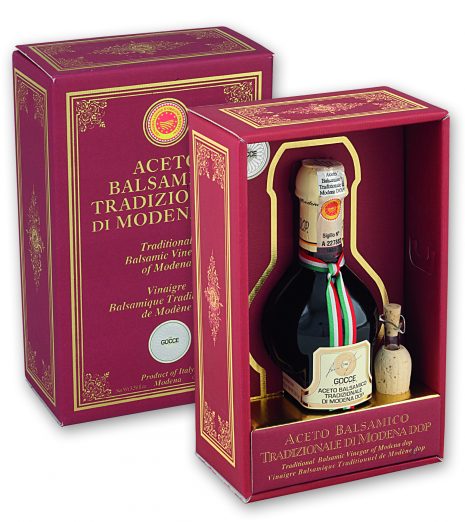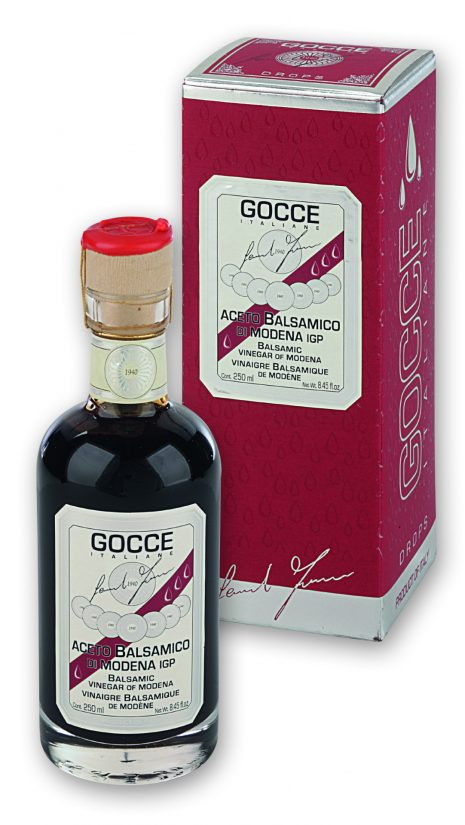
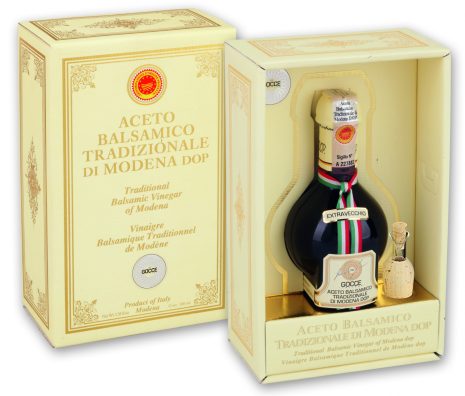
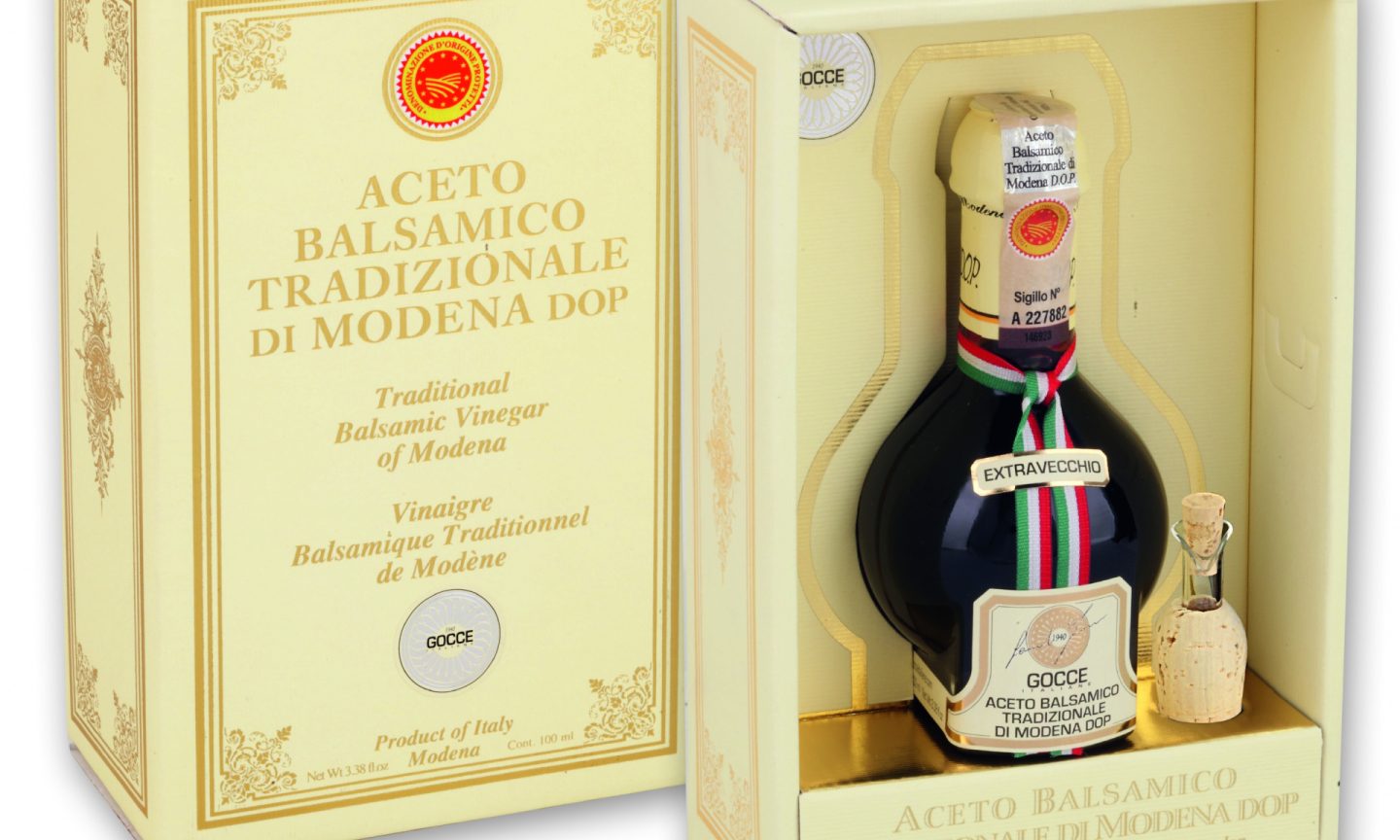
Aged Balsamic Vinegar Explained: Why Aceto Balsamico Tradizionale Is One of the World’s Greatest Luxury Foods
Aged Balsamic Vinegar Explained: Why Aceto Balsamico Tradizionale Is One of the World’s Greatest Luxury Foods
Few foods inspire the reverence reserved for Aceto Balsamico Tradizionale.
Produced in tiny quantities, aged for decades and crafted according to traditions that have remained largely unchanged for centuries, traditional balsamic vinegar from Modena occupies a unique place in the world of luxury food. It is not simply a condiment. It is a culinary treasure that sits alongside the finest caviar, truffles, aged wines and rare cheeses.
Yet many people have never experienced genuine aged balsamic vinegar. Even fewer understand what makes it so special.
If you’ve ever wondered whether a bottle of traditional balsamic vinegar is truly worth the investment, this guide will explain everything you need to know.
What Is Aceto Balsamico Tradizionale?
Aceto Balsamico Tradizionale is the original balsamic vinegar produced in Modena and Reggio Emilia in northern Italy.
Unlike commercial balsamic vinegar, which may contain wine vinegar, caramel colouring, thickeners and other additives, authentic traditional balsamic vinegar contains just one ingredient:
Cooked grape must.
That’s it.
Fresh grapes are slowly cooked to concentrate their natural sugars before being aged and transformed over many years in a series of wooden barrels.
The result is one of the most complex and remarkable flavour experiences in the culinary world.
Why Is Traditional Balsamic Vinegar So Expensive?
This is perhaps the most common question asked by first-time buyers.
The answer lies in time.
Most vinegars are produced within weeks or months. Traditional balsamic vinegar may be aged for 12, 25 or even 50 years or more.
Throughout this ageing process:
- Water slowly evaporates
- Flavours become increasingly concentrated
- Natural sweetness develops
- Acidity softens and integrates
- The vinegar acquires extraordinary complexity
A producer may begin with many litres of cooked grape must only to end up with a fraction of the original volume decades later.
When you purchase a bottle of 25-year-old balsamic vinegar, you are buying the result of a process that began before many modern businesses even existed.
Very few luxury foods require such patience.
What Does Aged Balsamic Vinegar Taste Like?
People expecting ordinary vinegar are often astonished by their first taste.
Traditional balsamic vinegar delivers layers of flavour that evolve on the palate:
- Raisins
- Figs
- Dates
- Honey
- Molasses
- Caramel
- Dried cherries
- Wood spice
- Gentle oak notes
The balance between sweetness and acidity is extraordinary.
A great aged balsamic never tastes aggressively acidic. Instead, it achieves remarkable harmony, finishing with exceptional length and elegance.
Many enthusiasts describe it as one of the most complex flavours they have ever experienced.
Is It Really Worth Paying £100 or More for Balsamic Vinegar?
For someone accustomed to supermarket balsamic vinegar, the price can initially seem surprising.
However, comparing traditional balsamic vinegar to everyday balsamic is rather like comparing a vintage Grand Cru Bordeaux to table wine.
The production methods, ageing process, rarity and flavour quality are fundamentally different.
The better question is:
How much enjoyment does a single bottle provide?
Because only a few drops are needed at a time, a bottle often lasts many months.
Each serving delivers a luxury food experience that few ingredients can match.
For passionate food lovers, the value becomes remarkably easy to understand after the first taste.
How Do You Use Traditional Balsamic Vinegar?
One of the biggest misconceptions is that aged balsamic should be used in cooking.
In reality, traditional balsamic vinegar is usually enjoyed as a finishing ingredient.
Heat would diminish many of the flavours developed during decades of ageing.
Instead, use it sparingly on:
- Parmigiano Reggiano
- Burrata
- Aged cheeses
- Fresh strawberries
- Figs
- Vanilla ice cream
- Fine steaks
- Prosciutto
- Risotto
- Foie gras
Many connoisseurs simply enjoy a few drops from a spoon.
It sounds extravagant until you try it.
What Is the Difference Between Traditional Balsamic Vinegar and Ordinary Balsamic?
The differences are significant.
Commercial Balsamic Vinegar
Typically contains:
- Wine vinegar
- Cooked grape must
- Caramel colouring
- Added sweeteners
- Thickeners
Often aged for relatively short periods.
Aceto Balsamico Tradizionale
Contains:
- 100% cooked grape must
Aged for a minimum of 12 years and often much longer.
No additives.
No colourings.
No shortcuts.
The difference in flavour is dramatic.
What Does DOP Mean?
When shopping for premium balsamic vinegar, look for the letters DOP.
DOP stands for Denominazione di Origine Protetta (Protected Designation of Origin).
This certification guarantees:
- Authentic origin
- Traditional production methods
- Strict quality controls
- Regulated ageing standards
For serious buyers, DOP certification provides reassurance that they are purchasing genuine traditional balsamic vinegar rather than an imitation.
What Is “Extra Vecchio” Balsamic Vinegar?
“Extra Vecchio” translates as “Extra Old”.
It represents the highest category of traditional balsamic vinegar.
To qualify, the vinegar must be aged for a minimum of 25 years.
During this extended maturation:
- Texture becomes richer
- Complexity increases
- Flavours become more integrated
- Aromatics become deeper and more nuanced
Extra Vecchio is widely regarded as the pinnacle of balsamic production.
Is Traditional Balsamic Vinegar a Good Gift?
Without question.
For people who love food, it is one of the most impressive gifts you can give.
It offers:
- Rarity
- Heritage
- Craftsmanship
- Luxury presentation
- A memorable tasting experience
Traditional balsamic vinegar makes an exceptional gift for:
- Food lovers
- Home chefs
- Wine enthusiasts
- Corporate clients
- Anniversaries
- Milestone birthdays
- Christmas gifting
Unlike many luxury gifts, it provides a genuine experience rather than simply an object.
How Long Does Traditional Balsamic Vinegar Last?
Virtually indefinitely.
Thanks to its concentration and acidity, traditional balsamic vinegar has an extremely long shelf life.
Store it:
- At room temperature
- Away from direct sunlight
- With the cap securely closed
Once opened, it can be enjoyed over many months or even years.
How to Choose the Best Aged Balsamic Vinegar
When investing in a premium bottle, look for:
- DOP certification
- Traditional production methods
- Long ageing periods
- Established family producers
- 100% cooked grape must
- Authentic Modena or Reggio Emilia origin
These factors separate truly exceptional balsamic vinegars from mass-market alternatives.
Experience One of Italy’s Greatest Culinary Treasures
Traditional balsamic vinegar is one of the world’s most remarkable foods.
Its flavour cannot be rushed.
Its production cannot be industrialised.
Its quality cannot be imitated.
Every drop represents decades of patience, craftsmanship and tradition.
For those who appreciate exceptional ingredients, a bottle of authentic Aceto Balsamico Tradizionale is more than a condiment—it is an opportunity to experience one of the great achievements of Italian gastronomy.
Whether you’re searching for an unforgettable luxury food gift or looking to elevate your own dining experiences, aged traditional balsamic vinegar remains one of the most rewarding gourmet discoveries you can make.