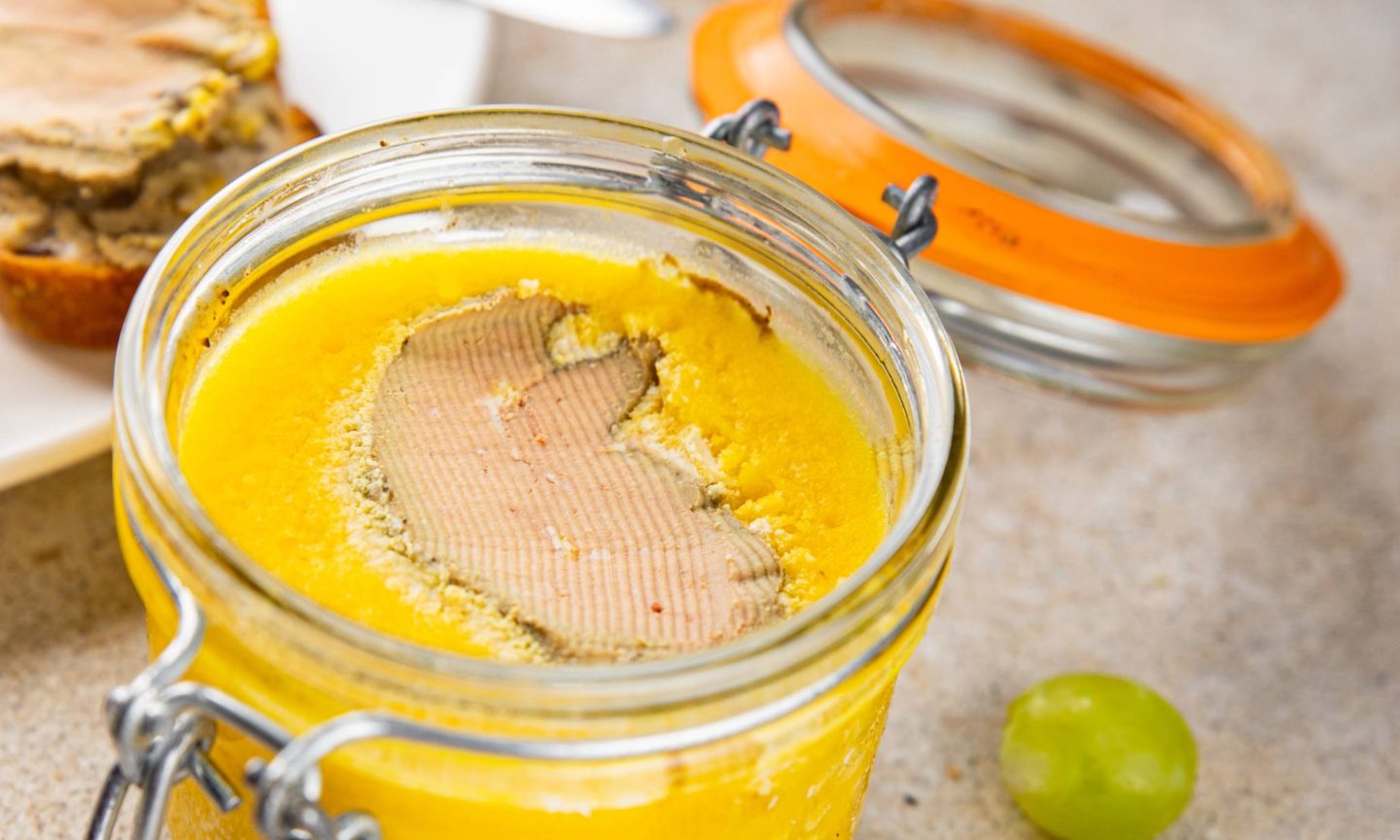
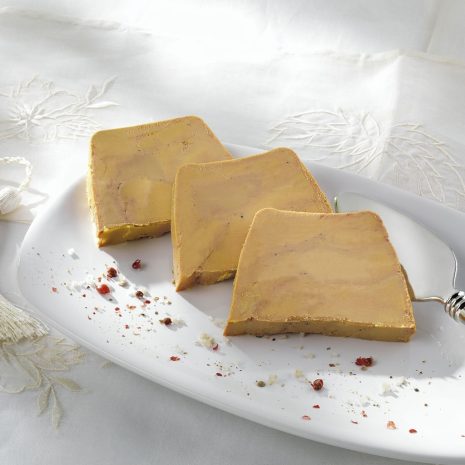
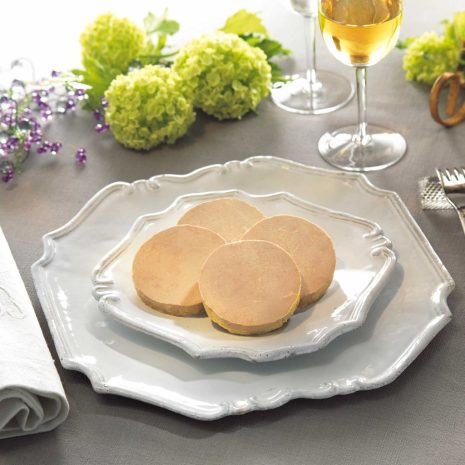
Foie gras is often described as one of the most luxurious foods in French cuisine, but for first-time buyers, the question is simple: what does it actually taste like?
The answer is less about intensity and more about texture, balance, and refinement. Foie gras is subtle, smooth, and rich in a way that is very different from most savoury foods.
At The Good Food Network, foie gras is selected for quality and authenticity, and this guide explains exactly what you can expect when you taste it.
The Overall Flavour Profile
Foie gras is best described as:
- Rich and buttery
- Smooth and silky
- Mildly savoury
- Slightly sweet on the finish
Rather than being bold or salty, foie gras is delicate and refined. The flavour is clean, with a luxurious mouthfeel that lingers gently rather than overwhelming the palate.
The Texture Is the Defining Feature
More than taste, foie gras is known for its texture.
When served correctly, it is:
- Soft and silky
- Almost melting on the tongue
- Creamy without being heavy
- Smooth with no graininess
This melt-in-the-mouth quality is what defines the experience.
Duck Foie Gras vs Goose Foie Gras Taste
The flavour changes depending on the type.
- Deeper, more robust flavour
- Slightly earthy and savoury notes
- Creamy and full-bodied
- More pronounced overall taste
It is often considered the more expressive version.
- Lighter and more delicate
- Subtle sweetness and elegance
- Extremely smooth finish
- Softer, more refined profile
It is often described as the more elegant choice.
What First-Time Tasters Notice
People trying foie gras for the first time often say:
- “It’s richer than expected, but not strong”
- “It melts instantly in the mouth”
- “It’s very smooth, almost like butter”
- “It feels luxurious rather than heavy”
It tends to surprise people with how gentle and balanced it is.
Does Foie Gras Taste Strong or Gamey?
High-quality foie gras should not taste gamey or overpowering.
Instead, it should be:
- Clean and fresh
- Mildly savoury
- Balanced and smooth
If foie gras tastes overly strong or unpleasant, it is usually a sign of poor quality or incorrect storage.
How Serving Affects Taste
Foie gras changes significantly depending on how it is served.
- Too cold: flavour is muted and texture is firm
- Slightly chilled: ideal balance of taste and texture
- Too warm: becomes overly soft and loses structure
Serving temperature is key to the full experience.
What Enhances the Flavour
Foie gras is often paired with simple accompaniments that highlight its richness:
- Toasted brioche or baguette
- Fig or onion chutney
- Light sea salt flakes
- Fresh fruit such as pear or apple
- Sweet wines like Sauternes
- Champagne or dry sparkling wine
These elements create contrast and balance.
Is Foie Gras an Acquired Taste?
Foie gras is not typically an acquired taste in the traditional sense.
Most people find it:
- Immediately enjoyable if they like rich foods
- Accessible due to its smoothness
- Less intense than expected
Its appeal comes from texture and refinement rather than strong flavour.
Why Foie Gras Tastes Unique
Foie gras is different because it combines:
- Natural richness
- Minimal seasoning
- Careful preparation
- Focus on texture over intensity
This creates a flavour experience that is subtle, elegant, and highly distinctive.
Final Thoughts
Foie gras tastes rich, buttery, and delicately savoury, with a silky texture that melts in the mouth. Duck foie gras is more robust and expressive, while goose foie gras is lighter and more refined.
Rather than being intense, foie gras is about elegance, balance, and texture—making it one of the most unique experiences in French gastronomy.