
How to Serve Foie Gras Like a French Chef | Step-by-Step Guide
Foie gras is one of the most refined ingredients in French cuisine, and how you serve it makes a major difference to the experience. When prepared correctly, it delivers a silky texture, rich flavour, and elegant presentation worthy of a fine dining restaurant.
At The Good Food Network, foie gras is selected for quality and authenticity, and this guide shows you how to serve it simply, correctly, and like a French chef.
Step 1: Bring Foie Gras to the Right Temperature
Temperature is the foundation of good foie gras service.
- Remove from the fridge 10–15 minutes before serving
- It should be cool, but not ice-cold
- This allows the texture to soften slightly for slicing and flavour release
If it is too cold, it becomes firm and less aromatic. If too warm, it loses structure.
Step 2: Use the Right Knife Technique
French chefs use a simple trick for perfect slices:
- Use a thin, sharp knife
- Dip the blade in hot water
- Wipe dry before each cut
This ensures clean, smooth slices without crumbling or sticking.
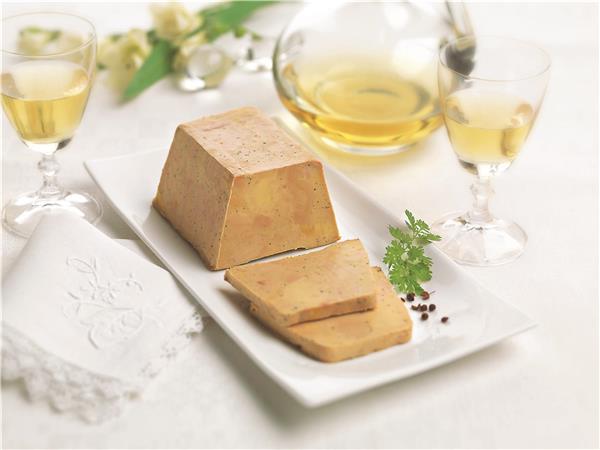
Step 3: Slice with Precision
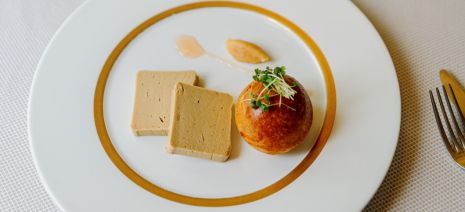
Foie gras should be served in elegant, even portions.
- Slice 1–2 cm thick
- Cut gently without pressing down
- Clean the knife between slices for neat presentation
Whole foie gras should hold its shape while appearing soft and delicate.
Step 4: Keep Plating Simple
In French cuisine, simplicity is key.
- Use chilled plates
- Avoid overcrowding the plate
- Let the foie gras be the visual centrepiece
Minimalism enhances luxury.
Step 5: Add Classic French Accompaniments
Foie gras is traditionally paired with sweet or lightly acidic elements that balance its richness.
Classic accompaniments include:
- Toasted brioche
- Fresh baguette slices
- Fig chutney or fig jam
- Onion marmalade
- Sea salt flakes
- Light fruit elements (pear, apple, or fig)
These enhance without overpowering.
Step 6: Pair with the Right Wine
Wine pairing elevates foie gras into a complete fine dining experience.
Traditional choices:
- Sauternes: classic sweet French pairing
- Champagne (Brut or Blanc de Blancs): fresh and cleansing
- Late harvest wines: softer sweetness
- Dry white wines (Chablis, Sancerre): modern lighter style
Step 7: Serve the Right Portions
Foie gras is rich, so restraint is important.
- Starter: 30–50g per person
- Canapés: thin slices on toast
- Tasting menus: smaller, refined portions
A small amount delivers a full luxury experience.
Step 8: Keep Flavours Balanced
French chefs avoid overcomplicating foie gras.
Avoid:
- Strong spices or chilli
- Heavy sauces
- Overly acidic dressings
- Too many competing elements
Foie gras should remain the focus of every bite.
Common Mistakes to Avoid
Serving it too cold
Makes slicing difficult and dulls flavour.
Overhandling the product
Can damage its delicate texture.
Overloading the plate
Distracts from the main ingredient.
Over-seasoning
Foie gras only needs minimal enhancement.
How It’s Served in France
In traditional French dining:
- Served as a starter course
- Paired with bread and wine
- Presented simply and elegantly
- Enjoyed slowly as part of a multi-course meal
The emphasis is always on quality, not complexity.
Final Thoughts
Serving foie gras like a French chef is about precision, restraint, and respect for the ingredient. When served at the right temperature, sliced cleanly, and paired with classic accompaniments, it becomes an elegant and memorable dining experience.
At The Good Food Network, the best approach is always simple: let the foie gras speak for itself.