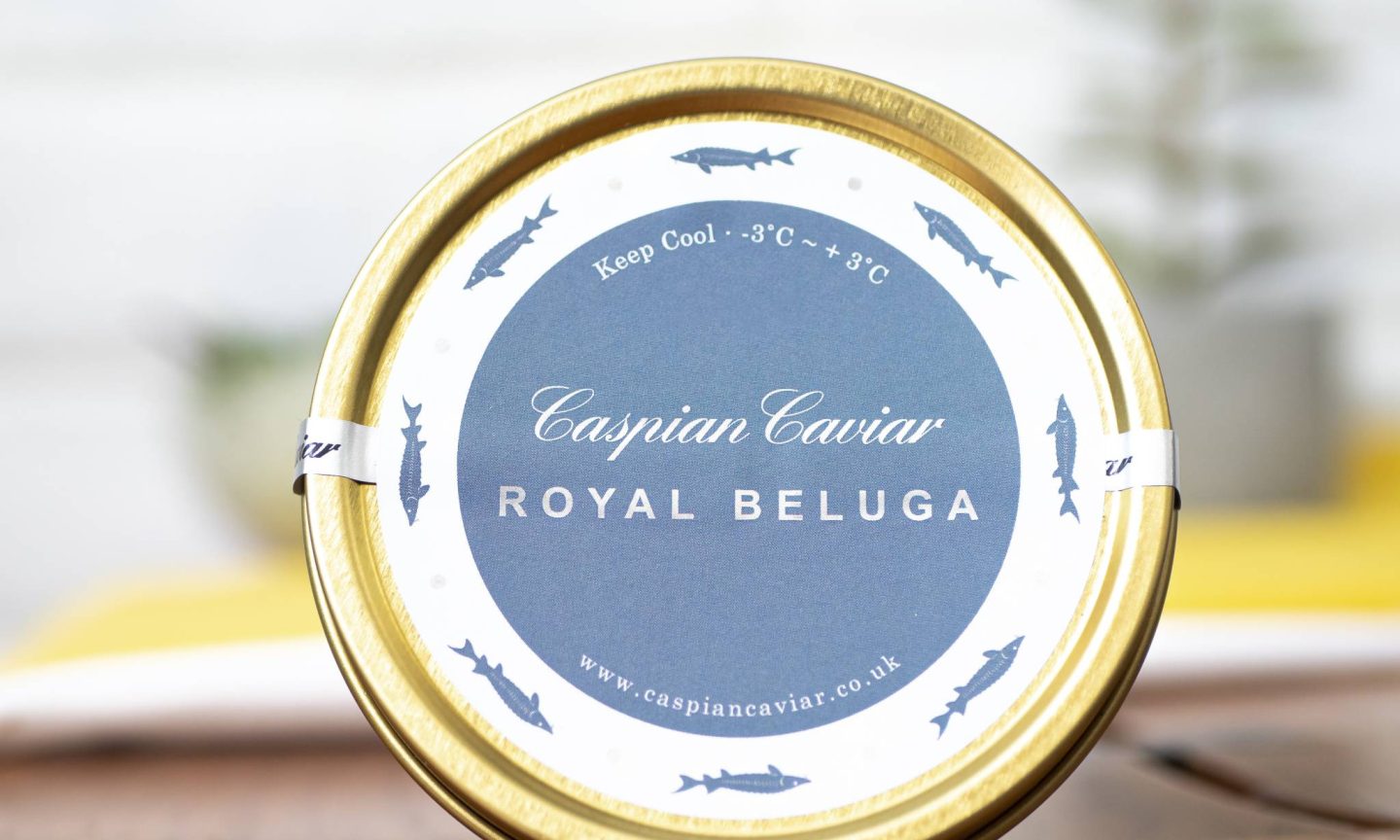
Beluga caviar is widely regarded as the most prestigious and luxurious caviar in the world. Known for its exceptionally large pearls, buttery flavour and silky texture, it represents the highest expression of traditional sturgeon caviar.
For centuries, Beluga caviar has been associated with fine dining, celebration and exclusivity. Today, it remains a benchmark of quality in the world of luxury food.
This guide explores everything you need to know about Beluga caviar, including its origins, taste, grading, serving methods and how to choose the best quality.
What Is Beluga Caviar?
Beluga caviar is the roe of the Beluga sturgeon (Huso huso), one of the largest and longest-living sturgeon species.
Historically found in the Caspian and Black Sea regions, the Beluga sturgeon is known for:
- Extremely slow maturation
- Large body size
- High-quality roe production
Because of its long growth cycle, Beluga caviar is rare and highly valued.
Today, most Beluga caviar comes from carefully managed aquaculture farms that replicate traditional conditions while supporting conservation efforts.
Why Is Beluga Caviar So Special?
Beluga caviar is considered unique due to a combination of factors:
1. Exceptional Pearl Size
Beluga eggs are among the largest of all caviar types.
They are:
- Soft
- Smooth
- Luxuriously large
- Delicately structured
This creates a distinctive mouthfeel that sets it apart from other varieties.
2. Buttery, Refined Flavour
Beluga is known for its elegant and subtle taste profile.
Typical notes include:
- Creamy butter
- Fresh cream
- Gentle nuttiness
- Light ocean salinity
- Clean, long finish
It is rarely overpowering, making it one of the most refined caviars available.
3. Silky Texture
The texture is a defining feature.
Beluga caviar is:
- Soft yet structured
- Silky on the palate
- Smooth when bursting
The experience is often described as luxurious and almost melt-in-the-mouth.
What Does Beluga Caviar Taste Like?
Beluga caviar is best described as delicate and balanced rather than strong or salty.
Flavour characteristics include:
- Buttery richness
- Creamy undertones
- Mild salinity
- Subtle nutty notes
- Clean ocean freshness
Unlike more intense caviars, Beluga focuses on refinement and smoothness.
It is often considered the most approachable premium caviar for first-time luxury tasters.
Beluga Caviar vs Other Caviars
Understanding how Beluga compares helps highlight its uniqueness.
Beluga
- Largest pearls
- Mildest flavour
- Creamiest texture
- Most luxurious positioning
- Medium to large pearls
- Nutty, complex flavour
- Firmer texture
- Highly versatile
- Small pearls
- Stronger briny flavour
- More intense taste
- Less creamy texture
Beluga is typically considered the most refined and luxurious of the three.
The production process is long and highly controlled.
1. Sturgeon Farming
Beluga sturgeon take many years to mature before producing roe.
This slow growth contributes to rarity and value.
2. Roe Harvesting
When mature, roe is carefully extracted using controlled methods.
3. Salting (Malossol)
Caviar is lightly salted to preserve freshness and enhance flavour.
4. Grading and Selection
Beluga caviar is graded based on:
- Pearl size
- Colour
- Texture
- Flavour quality
5. Packaging
It is sealed in tins or jars under strict temperature control to maintain freshness.
How to Serve Beluga Caviar
Beluga caviar should always be served simply.
Best practices include:
- Serving chilled (0–4°C)
- Keeping on crushed ice
- Using mother-of-pearl or non-metal utensils
- Opening just before serving
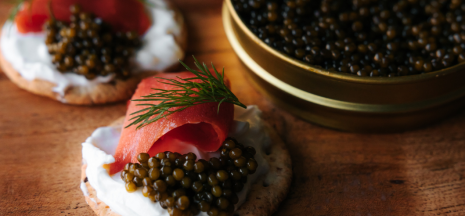
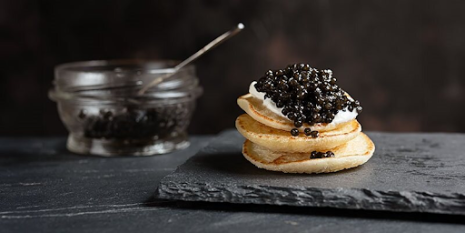
Classic accompaniments:
- Blinis
- Crème fraîche
- Toast points
- Light buttered bread
- Champagne or vodka
The goal is to enhance, not overpower, the caviar.
How Much Beluga Caviar to Serve
Recommended portions:
- 10–15g per person: tasting
- 20–30g per person: starter
- 30–50g per person: luxury serving
- 50g+: celebratory or sharing experience
Because of its richness, even small amounts feel indulgent.
What to Drink with Beluga Caviar
Ideal pairings include:
- Blanc de Blancs Champagne
- Brut Nature Champagne
- Premium vodka (chilled)
- Dry white wines such as Chablis or Sancerre
These drinks complement without overwhelming its delicate flavour.
How to Store Beluga Caviar
Proper storage is essential:
- Keep refrigerated at 0–4°C
- Store in original sealed container
- Do not freeze unless specified
- Consume soon after opening
Once opened, it should ideally be enjoyed within 24–48 hours.
How to Tell High-Quality Beluga Caviar
Premium Beluga caviar should have:
- Large, intact pearls
- Glossy appearance
- Clean ocean aroma
- Buttery, balanced flavour
- Smooth texture
Avoid caviar that smells overly fishy or appears broken or dull.
Is Beluga Caviar Sustainable?
Modern Beluga caviar is largely produced through regulated aquaculture.
Key points:
- Wild Beluga populations are protected in many regions
- Most commercial caviar is farmed
- International regulations (CITES) govern trade
- Responsible farming supports long-term conservation
Sustainably farmed Beluga caviar allows continued enjoyment while protecting the species.
Why Beluga Caviar Is So Expensive
Several factors contribute to its premium price:
- Very slow maturation of sturgeon
- Limited production volumes
- High demand
- Careful farming and processing
- Strict quality control
Its rarity and craftsmanship make it one of the most expensive luxury foods in the world.
Beluga Caviar for Special Occasions
Beluga caviar is often chosen for:
- Weddings
- Anniversaries
- Luxury gifting
- Corporate celebrations
- Milestone events
It is considered a statement product symbolising refinement and celebration.
Final Thoughts
Beluga caviar represents the pinnacle of luxury in the world of fine food. With its large pearls, creamy texture and refined flavour, it offers a tasting experience that is both elegant and unforgettable.
From careful production and grading to thoughtful serving and pairing, every aspect of Beluga caviar reflects craftsmanship and tradition.
Whether enjoyed as part of a celebration or as a personal indulgence, Beluga caviar remains one of the most iconic delicacies in global gastronomy.