
Why Cassoulet & Duck Confit Define French Comfort Food | Bistro Guide
The Soul of Traditional French Cooking
When people think of French comfort food, two dishes stand above all others: cassoulet and duck confit.
These iconic recipes from South West France are more than just meals—they represent centuries of rural cooking tradition, slow preparation, and deeply satisfying flavour.
Together, they form the backbone of what many consider the most authentic expression of French bistrot and regional cuisine.
What Is French Comfort Food?
French comfort food is defined less by luxury and more by:
- Slow cooking
- Rich, savoury flavours
- Simple, regional ingredients
- Generous portions
- Deep culinary tradition
It is food designed to be warming, grounding, and deeply satisfying.
Cassoulet and duck confit embody all of these qualities.
🥘 Cassoulet: The Ultimate Rustic French Dish
Cassoulet is a slow-cooked white bean stew traditionally made with duck, pork, and sausage.
Why it is so important:
- Originates from Castelnaudary in South West France
- Cooked slowly to develop deep, layered flavour
- Designed as a complete, nourishing meal
- Represents peasant cooking elevated to culinary icon status
Flavour profile:
- Rich and earthy
- Savoury and deeply comforting
- Thick, slow-developed sauce
- Tender beans and melting meats
Cassoulet is not refined—it is honest, rustic, and deeply satisfying food.
🦆 Duck Confit: The Art of Preservation and Indulgence
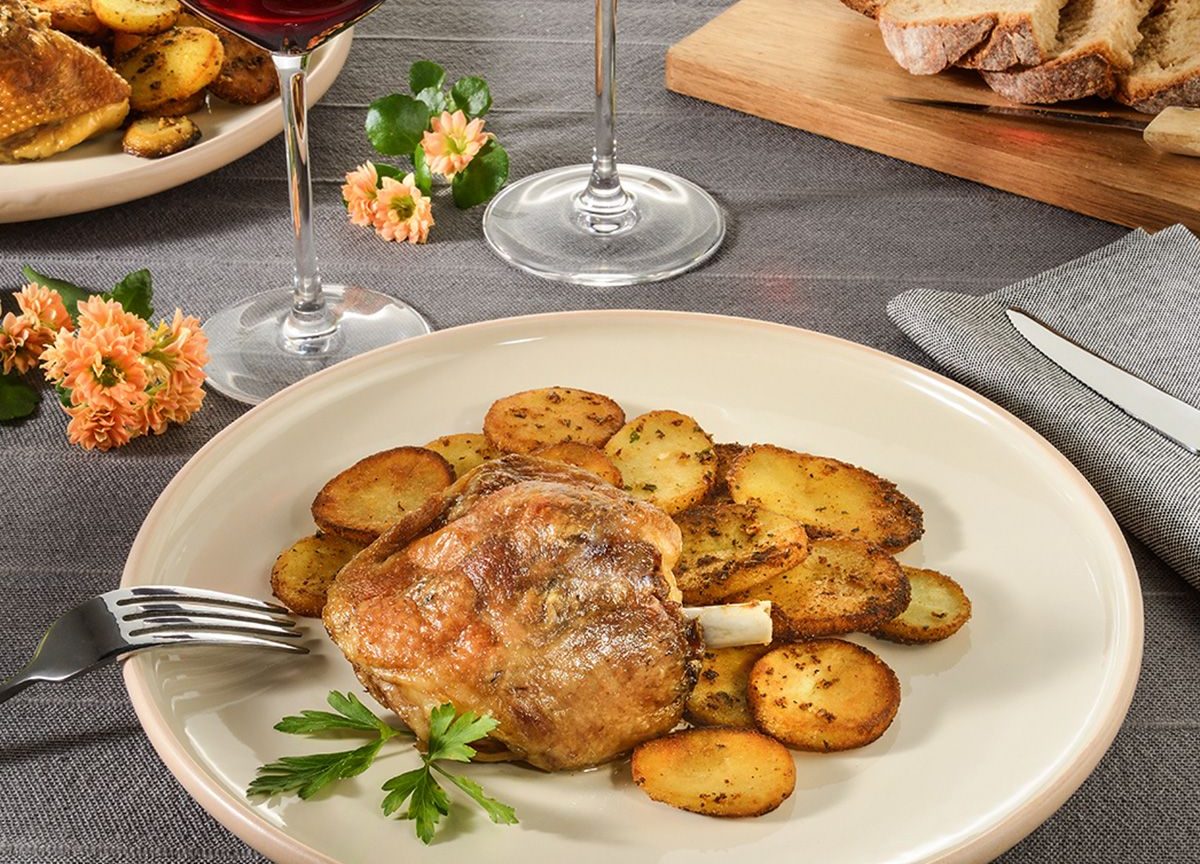
Duck confit is duck slow-cooked in its own fat until tender, then traditionally preserved.
Why it is iconic:
- One of France’s oldest preservation techniques
- Originates from Gascony
- Designed for flavour, texture, and longevity
- Now a restaurant and bistrot staple
Flavour profile:
- Rich and savoury
- Crispy skin with tender meat
- Deep, natural duck flavour
- Silky texture when properly prepared
Duck confit is the perfect example of how simple ingredients become extraordinary through technique.
Why These Two Dishes Belong Together
Cassoulet and duck confit are often mentioned together because they share:
1. Regional heritage
Both come from South West France, a region known for hearty, rural cuisine.
2. Slow cooking tradition
Each dish relies on long, patient cooking methods to develop flavour.
3. Use of duck fat
Duck fat is central to both dishes, giving richness and depth.
4. Comforting nature
Both are designed to be filling, warming, and satisfying.
Together, they define the essence of French rural comfort cooking.
The Role of Terroir in Their Identity
French comfort food is deeply tied to the concept of terroir—the relationship between land, tradition, and food.
Cassoulet and duck confit reflect:
- Local ingredients
- Regional cooking methods
- Generational recipes
- Rural French food culture
This is why they feel so authentic—they are rooted in place.
Why They Are So Loved in Bistros
In French bistros, these dishes remain popular because they offer:
- Consistent, reliable flavour
- Deep satisfaction with simple presentation
- Strong cultural identity
- Perfect pairing with regional wines
They are the kind of dishes that never go out of style.
How They Differ from Other French Dishes
Unlike refined French gastronomy, cassoulet and duck confit are:
- Rustic rather than delicate
- Slow-cooked rather than quick-prepared
- Generous rather than minimal
- Comforting rather than complex
This is exactly what makes them so enduring.
Perfect Wine Pairings
To complete the experience:
- Cassoulet → Madiran, Cahors, or Côtes du Rhône
- Duck confit → Pinot Noir or Burgundy red
These wines mirror the depth and richness of the dishes.
Why They Define French Comfort Food
Cassoulet and duck confit are considered the heart of French comfort food because they combine:
- History
- Technique
- Regional identity
- Deep flavour
- Emotional warmth
They are not just meals—they are culinary traditions passed through generations.
Final Thoughts
Cassoulet and duck confit remain two of the most important dishes in French cuisine because they represent everything comfort food should be: rich, rustic, generous, and deeply satisfying.
Together, they tell the story of South West France on a plate—simple ingredients transformed into unforgettable food through time, care, and tradition.