• Collection

    Luxury French Food

    • Caviar
      • Beluga Caviar
        • Sevruga Caviar
      • Oscietra Caviar
        • House Selection Caviar
      • All Caviar
    • Foie Gras
      • Goose Foie Gras
        • Duck Foie Gras
        • Foie Gras Mi-Cuit
          • Foie Gras Lobes (For Searing)
            • Foie Gras Au Torchon
          • Foie Gras With Truffles
            • Foie Gras Gift Sets
      • Foie Gras Accompaniments
      • All Foie Gras
    • Duck Confit
      • Free Range Duck Confit
      • All Duck Confit
    • Cassoulet
      • All Cassoulet
    • Luxury Food Gifts
      • Luxury Italian Food
    • Pates & Terrines
      • Cruscana Seafood Terrines
      • French Pork Pate
      • French Duck Pates
      • French Game Terrines
        • Rillettes
      • All Pates & Terrines
    • Luxury French Meals
      • Luxury French Meals From Perigord
      • French Ready Meals for One
      • French Ready Meals for Two
      • Luxury French Starter Ideas
      • French Tinned Food
      • All French Ready Meals
    • French Seafood
      • French Seafood Soups
      • All French Seafood
    • Confectionery
      • Fruits Confits
        • Marrons Glaces
      • Chocolate Coated Walnuts
        • Luxury Chocolates
          • Shortbread Biscuits
      • French Jams
      • Pruneaux d’Agen
        • All Confectionery
    • Fine Ingredients
      • Sargol Saffron Stamen
        • Dried Wild Mushrooms
      • Black Truffles
        • Traditional Balsamic Vinegars From Modena
      • French Sauces
      • Odysea Greek Kalamata Extra Virgin Olive Oil
      • All French Ingredients
    • Our Suppliers
      • Brindisa
      • Caspian Caviar
      • Castaing
      • Clement Faugier
      • Edouard Artzner
        • Lauden Chocolate
      • La Belle Chaurienne
      • La Belle Iloise
      • Maison Godard
      • Odysea
      • Maison Perard
      • Plantin
        • Mymoune
      • All Brands

    Special Offer

    La Brujula Galician Mussels in Escabeche (110g) - delicious large mussels in Escabeche seasoning. Just outstanding for any seafood lover.
    La Brujula Galician Mussels in Escabeche (110g Serves 1/2)

    £7.95£7.15

    Add to basket
  • Special Offers
  • Our Picks
  • Blog

    Blog

    • Categories
      • Cassoulet
      • Caviar
      • Duck Confit
      • Foie Gras
      • Seafood
    • Popular Posts
      • Eat Like The French: 5 French Meals For Breakfast?
      • What Are The Best Side Dishes To Serve With Duck Confit?
      • How to Serve, Eat and Store Foie Gras
      • What Wines Should You Serve With Caviar?
      • The Best Accompaniments To Serve With Caviar
    • Recipes
      • Caviar Cream Cheese Dip Recipe
      • Regional Carcassonne Cassoulet Recipe
      • Tapenade
      • Dried porcini pasta recipe
      • All Recipes

    Special Offer

    Cassoulet Au Canard La Belle Chaurienne (420g Serves One) - a single portion duck cassoulet in tin. Prepared by La Belle Chaurienne in Castelnaudary, France.
    Cassoulet Au Canard La Belle Chaurienne (420g Serves One)

    £4.95£3.71

    Add to basket

Luxury French Food

  • Collection
    • Caviar
      • Beluga Caviar
        • Sevruga Caviar
      • Oscietra Caviar
        • House Selection Caviar
      • All Caviar
    • Foie Gras
      • Goose Foie Gras
        • Duck Foie Gras
        • Foie Gras Mi-Cuit
          • Foie Gras Lobes (For Searing)
            • Foie Gras Au Torchon
          • Foie Gras With Truffles
            • Foie Gras Gift Sets
      • Foie Gras Accompaniments
      • All Foie Gras
    • Duck Confit
      • Free Range Duck Confit
      • All Duck Confit
    • Cassoulet
      • All Cassoulet
    • Luxury Food Gifts
      • Luxury Italian Food
    • Pates & Terrines
      • Cruscana Seafood Terrines
      • French Pork Pate
      • French Duck Pates
      • French Game Terrines
        • Rillettes
      • All Pates & Terrines
    • Luxury French Meals
      • Luxury French Meals From Perigord
      • French Ready Meals for One
      • French Ready Meals for Two
      • Luxury French Starter Ideas
      • French Tinned Food
      • All French Ready Meals
    • French Seafood
      • French Seafood Soups
      • All French Seafood
    • Confectionery
      • Fruits Confits
        • Marrons Glaces
      • Chocolate Coated Walnuts
        • Luxury Chocolates
          • Shortbread Biscuits
      • French Jams
      • Pruneaux d’Agen
        • All Confectionery
    • Fine Ingredients
      • Sargol Saffron Stamen
        • Dried Wild Mushrooms
      • Black Truffles
        • Traditional Balsamic Vinegars From Modena
      • French Sauces
      • Odysea Greek Kalamata Extra Virgin Olive Oil
      • All French Ingredients
    • Our Suppliers
      • Brindisa
      • Caspian Caviar
      • Castaing
      • Clement Faugier
      • Edouard Artzner
        • Lauden Chocolate
      • La Belle Chaurienne
      • La Belle Iloise
      • Maison Godard
      • Odysea
      • Maison Perard
      • Plantin
        • Mymoune
      • All Brands
  • Special Offers
  • Our Picks
  • Blog
    • Categories
      • Cassoulet
      • Caviar
      • Duck Confit
      • Foie Gras
      • Seafood
    • Popular Posts
      • Eat Like The French: 5 French Meals For Breakfast?
      • What Are The Best Side Dishes To Serve With Duck Confit?
      • How to Serve, Eat and Store Foie Gras
      • What Wines Should You Serve With Caviar?
      • The Best Accompaniments To Serve With Caviar
    • Recipes
      • Caviar Cream Cheese Dip Recipe
      • Regional Carcassonne Cassoulet Recipe
      • Tapenade
      • Dried porcini pasta recipe
      • All Recipes
Gourmet French Food Online
Account 0
Feedback

Cassoulet

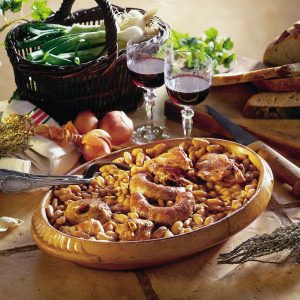
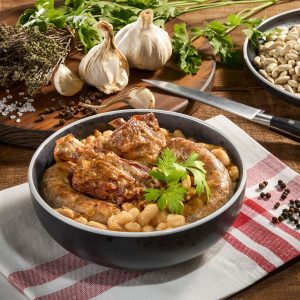
Cassoulet is a traditional French casserole from South West France, made with confit, Toulouse sausages, charcuterie and lingot beans slow-cooked in a rich sauce. Our 100% natural cassoulets from La Belle Chaurienne, Maison Godard and Castaing are hearty, authentic and easy to prepare — perfect for a comforting French meal in minutes. Of interest may be our cassoulet blog.

Read more
Order Now – Get It Friday 17th July Mainland UK | Free delivery for orders over £50
Home » Shop » Luxury French Meals » Cassoulet

Related Categories:

Luxury French Meals From PerigordDuck ConfitFrench Ready Meals for OneFrench Ready Meals for Two

Showing all 6 resultsSorted by popularity

← Luxury French Meals

Price

Ingredient

Brand

  • More info
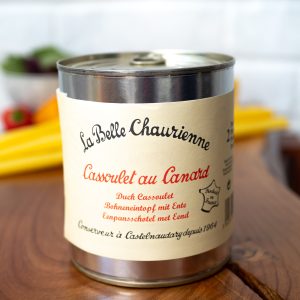
    La Belle Chaurienne - Cassoulet Au Canard (Duck Cassoulet) 840g tin

    Duck Cassoulet La Belle Chaurienne (840g Tin Serves Two)

    £7.75
    Add to basket
  • More info
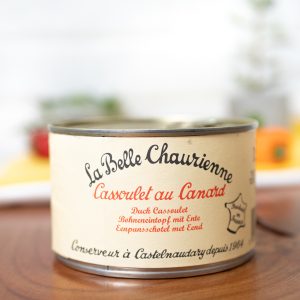
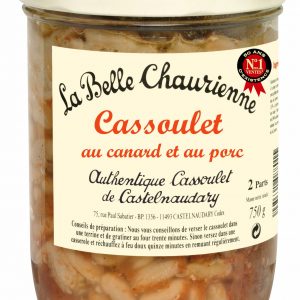
    Cassoulet Au Canard La Belle Chaurienne (420g Serves One) - a single portion duck cassoulet in tin. Prepared by La Belle Chaurienne in Castelnaudary, France.

    Cassoulet Au Canard La Belle Chaurienne (420g Serves One)

    £4.95 Original price was: £4.95.£3.71Current price is: £3.71.
    Add to basket
  • More info
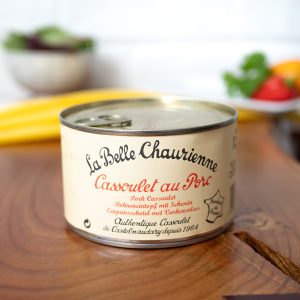
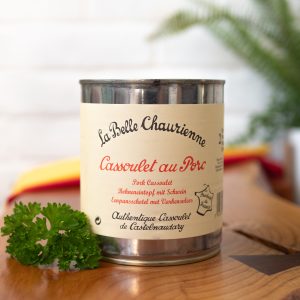
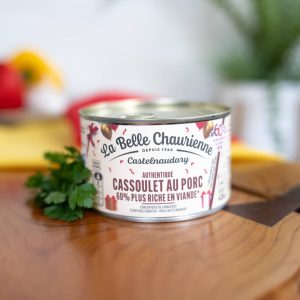
    Cassoulet au Porc La Belle Chaurienne. A high quality pork cassoulet prepared by La Belle Chaurienne in France. 420g tin serves one. 2 years life. UK delivery.

    Cassoulet Au Porc La Belle Chaurienne (420g Tin Serves One)

    £4.95 Original price was: £4.95.£3.71Current price is: £3.71.
    Add to basket
  • More info
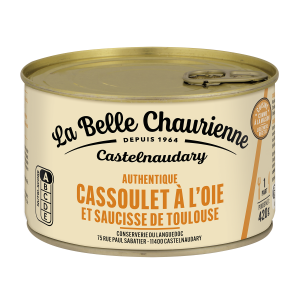
    A single serving goose cassoulet (with toulouse sausage) in 420g tin prepared by La Belle Chaurienne in Castelnaudary. 2 years life. UK delivery.

    Goose Cassoulet From Castelnaudary (420g Serves One)

    £6.95 Original price was: £6.95.£5.21Current price is: £5.21.
    Add to basket
  • More info
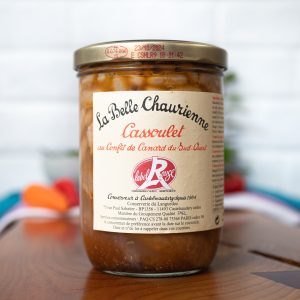
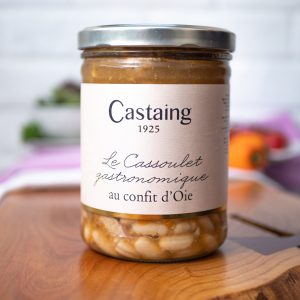
    Cassoulet Au Confit d'Oie Maison Godard - a high quality goose confit cassoulet in 820g jar serves two.

    Cassoulet au Confit d´Oie (840g Serves 2)

    £14.95 Original price was: £14.95.£11.21Current price is: £11.21.
    Add to basket
  • More info
    Cassoulet au Confit d´Oie Maison Godard - a very high quality goose cassoulet made with goose confit, charcuterie and lingot beans.

    Cassoulet Au Confit d’Oie (420g Tin Serves One)

    £8.95 Original price was: £8.95.£6.71Current price is: £6.71.
    Add to basket

Frequently Asked Questions About Cassoulet

If you are interested to find out more about cassoulet, please scroll down to find out more about this regional French dish and pillar of French cuisine!

About Cassoulet? | Frequently Asked Questions

What is cassoulet?

Cassoulet is a traditional French casserole from South West France, slow-cooked with white beans, sausages, duck confit and pork in a rich, savoury sauce. It is one of the best-known dishes in French regional cooking.


What does cassoulet taste like?

Authentic cassoulet has a deep, comforting flavour with tender beans, rich meat and aromatic herbs. The slow cooking creates a hearty, satisfying dish with classic rustic French character.


What meats are used in cassoulet?

Traditional cassoulet often includes:

  • Duck confit
  • Toulouse sausage
  • Pork
  • French charcuterie

Different regional recipes vary slightly.


What are lingot beans?

Lingot beans are soft white beans traditionally used in cassoulet. They absorb flavour beautifully while keeping their creamy texture.


Is cassoulet a complete meal?

Yes. Cassoulet is a hearty and balanced French meal, usually served on its own or with simple bread and salad.


How do you cook ready-made cassoulet?

Most gourmet cassoulet can be:

  • Heated in the oven until golden on top
  • Warmed gently in a saucepan

Oven cooking is usually preferred for the best texture and flavour.


What should you serve with cassoulet?

Popular accompaniments include:

  • Rustic French bread
  • Green salad
  • Red wine from the South West of France
  • Braised vegetables

Is cassoulet gluten free?

Many traditional cassoulets are naturally gluten free, but always check the ingredients on individual products.


Can cassoulet be stored in a cupboard?

Yes. Tinned and jarred cassoulet usually has a long shelf life and can often be stored unopened for 1–2 years.


Is cassoulet healthy?

Despite its rich flavour, cassoulet is often lower in calories and fat than expected, while also being high in protein and filling.


What is the difference between cassoulet and stew?

Cassoulet is specifically a French bean-based casserole traditionally made with confit and Toulouse sausage, while stews vary widely depending on cuisine and ingredients.


Which region of France is famous for cassoulet?

Cassoulet originates from South West France, especially around:

  • Castelnaudary
  • Toulouse
  • Carcassonne

These regions are considered the heartland of authentic cassoulet.


Why is cassoulet so popular?

People love cassoulet for its rich flavour, comforting texture and authentic French tradition. It offers an easy way to enjoy classic French country cooking at home.

What Is Cassoulet? | Traditional French Cassoulet Explained

Discover what cassoulet is, where it comes from, and why it is one of France’s most famous dishes. Learn about ingredients, flavour, and how to enjoy authentic French cassoulet.

What Is Cassoulet?

Cassoulet is one of France’s most famous and beloved traditional dishes. Rich, hearty and deeply satisfying, it combines slow-cooked white beans with carefully selected meats to create a meal that has become a symbol of French country cooking.

Originating in the southwest of France, cassoulet is celebrated for its comforting flavours, rustic character and centuries-old culinary heritage. Today, it remains a staple of French homes, restaurants and gourmet food shops, enjoyed by anyone seeking an authentic taste of regional France.

At The Good Food Network, cassoulet is one of our most popular French specialities, offering customers a simple way to enjoy a classic French meal at home.


What Does Cassoulet Consist Of?

At its heart, cassoulet is a slow-cooked casserole made from:

  • White haricot beans
  • Duck confit
  • Toulouse sausage
  • Pork or pork rind
  • Rich stock and seasonings

The ingredients are slowly cooked together over many hours, allowing the flavours to develop and the beans to absorb the richness of the meat.

The result is a deeply savoury dish with exceptional depth and character.


Where Does Cassoulet Come From?

Cassoulet originates from the Languedoc region in southwest France.

Three towns are particularly associated with the dish:

Castelnaudary

Often considered the birthplace of cassoulet and regarded by many as the most traditional version.

Toulouse

Known for using the famous Toulouse sausage and a generous combination of meats.

Carcassonne

Typically includes additional meats such as lamb or game depending on local traditions.

Each town proudly claims to produce the finest cassoulet, and regional variations remain an important part of French food culture.


Why Is Cassoulet So Famous?

Cassoulet has earned legendary status because it represents everything people love about French country cooking:

  • Simple ingredients
  • Slow preparation
  • Rich flavours
  • Regional traditions
  • Generous portions

It is often considered the ultimate French comfort food, particularly during the colder months.

For generations, families have gathered around cassoulet for Sunday lunches, celebrations and special occasions.


What Does Cassoulet Taste Like?

Cassoulet is rich, hearty and intensely flavourful.

Expect:

  • Tender slow-cooked beans
  • Savoury meat flavours
  • Rich stock and cooking juices
  • A satisfying, comforting texture
  • Layers of flavour developed through slow cooking

Despite its richness, a good cassoulet remains beautifully balanced, with the beans providing a creamy contrast to the meats.


Is Cassoulet a Main Course?

Yes. Cassoulet is traditionally served as a main course.

Because it contains beans, meat and stock, it is a complete meal in itself and requires little accompaniment.

Many French people simply serve cassoulet with:

  • Crusty bread
  • A green salad
  • A glass of red wine

The simplicity allows the flavours of the cassoulet to take centre stage.


Why Does Cassoulet Take So Long to Make?

Traditional cassoulet is famous for its lengthy preparation.

Authentic recipes often involve:

  • Soaking beans
  • Preparing meats separately
  • Slow cooking for several hours
  • Allowing flavours to develop gradually

This slow process is one of the reasons cassoulet is so highly prized. The long cooking time creates the depth and complexity that define the dish.

Fortunately, high-quality ready-made cassoulet allows food lovers to enjoy these traditional flavours without spending days in the kitchen.


Is Ready-Made Cassoulet Authentic?

Absolutely—provided you choose a quality French producer.

Many of the best cassoulets available today are made in France using traditional regional recipes and carefully selected ingredients.

Premium ready-made cassoulet offers:

  • Authentic French flavour
  • Traditional ingredients
  • Convenience
  • Long shelf life
  • Consistent quality

For many customers, it is the easiest way to experience a genuine French classic at home.


What Should You Drink with Cassoulet?

Cassoulet pairs beautifully with robust red wines.

Popular choices include:

  • Cahors
  • Corbières
  • Minervois
  • Madiran
  • Côtes du Rhône

The richness of the dish complements wines with depth, structure and character.


Why Is Cassoulet So Popular with French Food Lovers?

Cassoulet offers something increasingly rare in modern food: authenticity.

It reflects a style of cooking built around patience, craftsmanship and regional traditions rather than convenience.

Food lovers appreciate cassoulet because it is:

  • Hearty and satisfying
  • Rich in culinary heritage
  • Ideal for sharing
  • Easy to serve
  • A true taste of France

Whether enjoyed on a winter evening or as part of a French-themed dinner, cassoulet remains one of the country’s most iconic dishes.


Final Thoughts

Cassoulet is far more than a bean casserole. It is one of France’s great culinary traditions—a dish that showcases the power of simple ingredients transformed through time, skill and patience.

With its creamy white beans, slow-cooked meats and rich, comforting flavour, authentic cassoulet continues to delight food lovers around the world. Whether you’re discovering it for the first time or revisiting an old favourite, cassoulet offers a delicious and unmistakably French dining experience.

Cassoulet Origins Explained | Toulouse, Carcassonne & Castelnaudary

Discover the origins of cassoulet and the differences between Toulouse, Carcassonne and Castelnaudary styles. Explore the history behind France’s most famous comfort food.

Cassoulet Origins: Toulouse, Carcassonne & Castelnaudary

Few French dishes inspire as much regional pride and friendly rivalry as cassoulet. This rich, slow-cooked casserole of beans and meat is one of France’s most iconic culinary traditions, and three towns in southwest France each claim to be the true home of the dish: Castelnaudary, Toulouse and Carcassonne.

While all three versions share the same rustic spirit, each has its own ingredients, traditions and loyal supporters. Understanding these regional differences helps explain why cassoulet remains one of the most celebrated dishes in French cuisine.

At The Good Food Network, we love cassoulet not only for its flavour but also for the fascinating history and heritage behind every spoonful.


Where Did Cassoulet Originate?

Most food historians agree that cassoulet originated in the Languedoc region of southwest France, an area known for its rich agricultural traditions and hearty country cooking.

The dish takes its name from the traditional earthenware cooking vessel known as a cassole, which was used to slowly cook beans and meat over many hours.

Over centuries, local cooks adapted the recipe based on available ingredients, creating the regional variations that are still celebrated today.


The Legend of Cassoulet

Like many historic French dishes, cassoulet comes with a popular legend.

According to local tradition, the dish was first created during the Hundred Years’ War when the people of Castelnaudary gathered together whatever ingredients they could find to create a nourishing meal for soldiers defending the town.

Whether entirely true or not, the story reflects the essence of cassoulet: a generous, communal dish designed to feed people well using local produce.


Castelnaudary: The Birthplace of Cassoulet

If you ask the people of Castelnaudary, there is no debate.

They will tell you that cassoulet was born here and that every other version is simply a variation.

Many culinary historians support this claim, making Castelnaudary the town most closely associated with traditional cassoulet.

What Makes Castelnaudary Cassoulet Different?

The classic Castelnaudary recipe typically includes:

  • White haricot beans
  • Duck confit
  • Pork
  • Pork rind
  • Traditional sausage

The emphasis is on simplicity and balance.

Rather than using numerous meats, Castelnaudary cassoulet focuses on allowing the beans and slow-cooked pork flavours to develop naturally.

Many French food enthusiasts consider this the most authentic and traditional version.


Toulouse: The Most Famous Version

While Castelnaudary may claim the origins, Toulouse is probably the city most closely associated with cassoulet internationally.

Its version is often found in restaurants and gourmet food shops throughout France and beyond.

What Makes Toulouse Cassoulet Different?

The defining ingredient is:

Toulouse Sausage

This famous regional sausage gives Toulouse cassoulet its distinctive character.

A traditional Toulouse cassoulet commonly includes:

  • White beans
  • Duck confit
  • Toulouse sausage
  • Pork

The sausage contributes a rich, savoury depth that many people associate with classic cassoulet.

Because of its popularity and widespread availability, Toulouse-style cassoulet is often the version most visitors encounter first.


Carcassonne: The Heartiest Cassoulet

The medieval city of Carcassonne offers its own variation, one that reflects the region’s history and agricultural abundance.

What Makes Carcassonne Cassoulet Different?

Historically, Carcassonne recipes often included additional meats such as:

  • Lamb
  • Mutton
  • Game birds
  • Partridge (seasonally)

As a result, Carcassonne cassoulet is often considered the richest and most robust of the three major styles.

The extra ingredients create deeper layers of flavour and a more substantial dish.

Like many traditional recipes, however, exact ingredients vary between households and producers.


What Do All Three Versions Have in Common?

Despite regional differences, every authentic cassoulet shares several essential characteristics.

White Beans

The foundation of the dish, traditionally haricot beans.

Slow Cooking

Long cooking times allow flavours to develop and blend.

Rich Meat Flavours

Whether pork, duck, sausage or game, meat provides the savoury backbone of the dish.

Rustic Tradition

Cassoulet remains rooted in French country cooking and regional heritage.

The goal is always comfort, generosity and flavour.


Which Cassoulet Is the Best?

This question has sparked debate across southwest France for generations.

The truth is that there is no universally accepted answer.

Choose Castelnaudary If You Prefer:

  • Traditional authenticity
  • Simplicity
  • Historical heritage

Choose Toulouse If You Love:

  • Toulouse sausage
  • Rich savoury flavours
  • The most widely recognised style

Choose Carcassonne If You Enjoy:

  • More complex meat flavours
  • Heartier dishes
  • Regional variation

For many French food lovers, the best cassoulet is simply the one made with care and quality ingredients.


Why Regional Food Traditions Matter

One of the reasons cassoulet remains so beloved is that it reflects the diversity of French cuisine.

Rather than a single fixed recipe, cassoulet tells the story of:

  • Local ingredients
  • Family traditions
  • Regional pride
  • Culinary heritage

The differences between Toulouse, Carcassonne and Castelnaudary help keep the dish alive and relevant for new generations of food lovers.


Can You Buy Authentic Cassoulet Outside France?

Yes.

Many specialist French food producers continue to make cassoulet according to traditional regional recipes, allowing customers around the world to enjoy an authentic taste of southwest France.

High-quality ready-made cassoulet offers:

  • Traditional ingredients
  • Authentic regional character
  • Convenience
  • Excellent flavour

It’s one of the easiest ways to experience one of France’s greatest comfort foods at home.


Final Thoughts

Cassoulet may be a simple dish, but its history is rich and fascinating. From the traditional recipes of Castelnaudary to the famous sausage-filled version of Toulouse and the hearty meat-rich cassoulets of Carcassonne, each region has contributed to the story of this French classic.

What unites them all is a shared commitment to slow cooking, generous ingredients and exceptional flavour. Whether you prefer one style over another or simply enjoy exploring French regional cuisine, cassoulet remains one of the most authentic and rewarding dishes France has to offer.

What Does Cassoulet Taste Like? | Flavour Guide to France's Classic Dish

Discover what cassoulet tastes like, from its rich slow-cooked meats to creamy white beans. Learn why cassoulet is considered one of France’s ultimate comfort foods.

What Does Cassoulet Taste Like?

If you’ve never tried cassoulet before, you may be wondering what all the fuss is about. One of France’s most famous regional dishes, cassoulet is celebrated for its rich, comforting flavour and deeply satisfying character.

Often described as the ultimate French comfort food, cassoulet combines slow-cooked white beans with carefully selected meats, creating a dish that is hearty, savoury and full of depth.

At The Good Food Network, cassoulet remains one of our most popular French specialities because it delivers authentic flavour, rustic charm and a true taste of traditional French cooking.


How Would You Describe the Flavour of Cassoulet?

Cassoulet is best described as:

  • Rich
  • Savoury
  • Hearty
  • Slow-cooked
  • Comforting

Unlike highly spiced dishes, cassoulet relies on the natural flavours of quality ingredients developed over many hours of cooking.

The result is a wonderfully balanced dish where no single ingredient dominates.


What Do the Beans Taste Like?

White haricot beans form the foundation of traditional cassoulet.

After slow cooking, they become:

  • Soft and creamy
  • Richly flavoured
  • Infused with meat juices and stock
  • Tender but not mushy

The beans absorb the flavours of the surrounding ingredients, making them far more complex than ordinary cooked beans.

Many cassoulet lovers consider the beans just as important as the meat.


What Do the Meats Contribute?

The meats provide much of the dish’s depth and richness.

Depending on the recipe, cassoulet may include:

  • Duck confit
  • Toulouse sausage
  • Pork
  • Pork rind
  • Lamb or game (in some regional versions)

Together they create layers of savoury flavour that develop gradually during cooking.

Duck confit contributes richness and depth, while sausage and pork provide a hearty, satisfying character.


Is Cassoulet Salty?

A well-made cassoulet should not be overly salty.

Instead, it offers:

  • Gentle seasoning
  • Rich umami flavours
  • Natural savouriness from the meats

The long cooking process creates depth without the need for excessive salt or spices.


Is Cassoulet Spicy?

No.

Traditional cassoulet is not a spicy dish.

Unlike some stews and casseroles, cassoulet relies on:

  • Slow cooking
  • Quality ingredients
  • Natural flavours

You may find hints of pepper or herbs depending on the recipe, but authentic cassoulet is generally mild and approachable.


Is Cassoulet Heavy?

Cassoulet is certainly a substantial meal, but a good cassoulet should feel balanced rather than heavy.

The combination of:

  • Creamy beans
  • Tender meats
  • Rich stock

creates a dish that is filling and satisfying without being overwhelming.

This is one reason why cassoulet has remained popular for centuries.


Why Is Cassoulet Considered Comfort Food?

Cassoulet delivers everything people look for in comfort food.

It is:

  • Warming
  • Filling
  • Richly flavoured
  • Familiar and rustic
  • Perfect for sharing

The slow-cooked nature of the dish creates a sense of home cooking and tradition that appeals to food lovers around the world.

In France, cassoulet is often associated with family meals, gatherings and relaxed dining.


What Is the Texture Like?

One of the pleasures of cassoulet is its combination of textures.

You can expect:

  • Creamy beans
  • Tender pieces of meat
  • Succulent duck confit
  • Juicy sausage
  • Rich cooking juices

Traditional cassoulet often develops a lightly caramelised top layer during cooking, adding further depth and texture.


What Foods Is Cassoulet Similar To?

While uniquely French, cassoulet shares some characteristics with:

  • Slow-cooked stews
  • Bean casseroles
  • Rustic country cooking
  • Winter comfort dishes

However, the combination of white beans, duck confit and French sausage gives cassoulet a flavour profile all of its own.

There is really no direct substitute for a properly made cassoulet.


What Should You Drink with Cassoulet?

Because of its rich flavour, cassoulet pairs particularly well with robust red wines.

Popular choices include:

  • Cahors
  • Corbières
  • Minervois
  • Madiran
  • Côtes du Rhône

These wines have enough body and character to complement the dish without overpowering it.


Is Cassoulet Suitable for First-Time French Food Lovers?

Absolutely.

Cassoulet is often recommended as an introduction to traditional French regional cuisine because it is:

  • Familiar in style
  • Easy to enjoy
  • Rich but approachable
  • Full of flavour

Even those unfamiliar with French cooking usually find cassoulet immediately appealing.


Why Do People Love Cassoulet?

Cassoulet has endured for centuries because it offers something simple yet deeply satisfying.

People love it for its:

  • Rich flavour
  • Authenticity
  • Comforting character
  • Slow-cooked depth
  • Strong connection to French culinary tradition

It is a dish that rewards patience and craftsmanship, and every spoonful reflects that heritage.


Final Thoughts

Cassoulet tastes exactly as great comfort food should: rich, hearty, savoury and deeply satisfying. The creamy white beans absorb the flavours of duck, pork and sausage, creating a dish with remarkable depth and warmth.

Whether you’re discovering cassoulet for the first time or revisiting a French favourite, its combination of slow-cooked ingredients and rustic tradition explains why it remains one of France’s most treasured culinary classics.

How to Serve Cassoulet Like a French Chef | Traditional Serving Guide

Learn how to serve cassoulet like a French chef. Discover the best side dishes, wine pairings, serving tips and presentation ideas for authentic French dining.

How to Serve Cassoulet Like a French Chef

Cassoulet is one of France’s most iconic comfort foods. Rich, hearty and deeply satisfying, this slow-cooked dish of white beans and meat has been enjoyed across southwest France for centuries. While cassoulet is wonderfully simple, serving it correctly can elevate the experience and bring a touch of authentic French dining to your table.

The good news is that the French rarely overcomplicate cassoulet. In fact, the traditional approach is all about allowing the dish itself to take centre stage.

At The Good Food Network, we believe that a quality cassoulet deserves to be served with the same respect and simplicity that has made it a French classic for generations.


What Is the Traditional Way to Serve Cassoulet?

In France, cassoulet is typically served as a main course and presented straight from the cooking dish to the table.

Traditionally, it is:

  • Served hot and freshly cooked
  • Presented in an earthenware dish or casserole
  • Shared amongst family and friends
  • Accompanied by simple side dishes

Because cassoulet is already a complete meal containing beans, meat and rich cooking juices, it requires very little else.


Should Cassoulet Be Served as a Main Course?

Yes.

Cassoulet is traditionally enjoyed as the main event rather than part of a larger meal.

Its combination of:

  • White haricot beans
  • Duck confit
  • Sausage
  • Pork
  • Rich stock

makes it substantial enough to stand alone.

Most French households would serve cassoulet after a light starter or salad and before a simple dessert.


What Side Dishes Go Well with Cassoulet?

The best accompaniments are light and uncomplicated.

Green Salad

A crisp green salad dressed with a simple vinaigrette provides freshness and balance.

Popular choices include:

  • Mixed leaves
  • Frisée lettuce
  • Rocket
  • Baby gem lettuce

The acidity helps cut through the richness of the dish.


Crusty French Bread

A fresh baguette or rustic country loaf is perhaps the most traditional accompaniment.

Bread is ideal for:

  • Soaking up the cooking juices
  • Adding texture
  • Completing the meal

Many French diners would consider good bread essential.


Cornichons

These small French pickled gherkins provide a welcome contrast to the richness of cassoulet.

Their sharpness helps refresh the palate between bites.


What Should You Avoid Serving with Cassoulet?

Because cassoulet is rich and complex, it’s best to avoid side dishes that compete with its flavours.

Avoid:

  • Heavy potato dishes
  • Rich creamy sauces
  • Strongly spiced vegetables
  • Large portions of cheese before the meal

Simplicity is key.


What Wine Should You Serve with Cassoulet?

Cassoulet pairs beautifully with robust red wines, particularly those from southwest France.

Excellent choices include:

Cahors

Dark, structured and full-bodied.

Corbières

Rich fruit and earthy character.

Minervois

A classic southern French pairing.

Madiran

Powerful enough to match the richness of cassoulet.

Côtes du Rhône

Widely available and consistently reliable.

A good red wine complements the savoury depth of the dish without overwhelming it.


How Do French Restaurants Present Cassoulet?

Traditional French restaurants often serve cassoulet:

  • In individual earthenware dishes
  • In rustic ceramic bowls
  • Straight from the oven
  • With a golden, lightly caramelised surface

Presentation is usually rustic rather than elaborate.

The emphasis is on authenticity and flavour rather than decoration.


Should Cassoulet Be Served Straight from the Oven?

Ideally, yes.

Freshly heated cassoulet offers:

  • Better texture
  • Fuller flavour
  • A more appealing aroma

If using a premium ready-made cassoulet, oven heating often provides the best results, allowing the top to develop a lightly browned crust.

Many cassoulet enthusiasts consider this one of the most enjoyable parts of the dish.


How Much Cassoulet Should You Serve Per Person?

As a guide:

Light Main Course

300–350g per person

Generous Main Course

400–500g per person

Dinner Party Portion

350–400g per person

Cassoulet is filling, so moderate portions are usually sufficient.


Can Cassoulet Be Served at a Dinner Party?

Absolutely.

In fact, cassoulet is one of the best dishes for relaxed entertaining.

Benefits include:

  • Easy preparation
  • Minimal last-minute cooking
  • Excellent sharing dish
  • Authentic French character
  • Ideal for colder months

Many hosts prepare everything in advance and simply heat the cassoulet before guests arrive.


What Dessert Follows Cassoulet?

French dining traditions favour lighter desserts after rich main courses.

Popular choices include:

  • Fruit tart
  • Lemon tart
  • Crème brûlée
  • Fresh fruit
  • Sorbet

The goal is to finish the meal on a fresh and elegant note.


Creating a French Country Dining Experience

For a truly authentic experience, consider serving:

Starter

  • Green salad or pâté

Main Course

  • Traditional cassoulet
  • Crusty French bread
  • Cornichons

Wine

  • Cahors or Corbières

Dessert

  • Fruit tart or crème brûlée

Simple, rustic and unmistakably French.


Final Thoughts

Serving cassoulet like a French chef is less about elaborate presentation and more about respecting the dish’s heritage. A quality cassoulet should be served hot, accompanied by fresh bread, a simple salad and a good red wine. The focus should always remain on the rich flavours and comforting character that have made cassoulet one of France’s most treasured culinary traditions.

Whether you’re enjoying a quiet family meal or hosting a French-themed dinner party, cassoulet offers an authentic taste of French country cooking that is both elegant and wonderfully satisfying.

What Wine Goes with Cassoulet? | Best Wine Pairings for Cassoulet

Discover the best wines to pair with cassoulet. From Cahors and Madiran to Côtes du Rhône, learn which reds complement this classic French comfort food.

What Wine Goes with Cassoulet?

Cassoulet  is one of France’s most famous comfort foods—a rich, slow-cooked dish of white beans, duck confit, sausage and pork that is deeply satisfying and full of flavour. Given its hearty character, choosing the right wine can elevate the dining experience and bring out the best in both the food and the wine.

Fortunately, the French have been pairing wine with cassoulet for centuries, and the traditional choices remain some of the best.

At The Good Food Network, we recommend looking to southwest France, the birthplace of cassoulet, for the most authentic and rewarding pairings.


What Type of Wine Goes Best with Cassoulet?

In general, cassoulet pairs best with:

  • Medium to full-bodied red wines
  • Wines with good structure and acidity
  • Earthy, savoury styles
  • Wines that can stand up to rich meat flavours

The dish’s combination of duck, sausage, pork and slow-cooked beans requires a wine with enough character to complement its richness without overpowering it.

For this reason, red wine is usually the preferred choice.


Why Does Red Wine Work So Well?

Cassoulet is rich and deeply savoury.

The best red wines help to:

  • Balance the richness of the meat
  • Refresh the palate between bites
  • Complement the slow-cooked flavours
  • Enhance the dish’s rustic character

The combination of hearty food and structured red wine is one of the classic partnerships of French cuisine.


Cahors: A Traditional Favourite

If there is one wine that many French food lovers associate with cassoulet, it is Cahors.

Produced in southwest France, Cahors is made primarily from Malbec and offers:

  • Dark fruit flavours
  • Firm structure
  • Earthy complexity
  • Excellent depth

Its robust character works beautifully with duck confit and pork-rich cassoulet.

For many enthusiasts, Cahors is one of the most authentic pairings available.


Madiran: Powerful and Traditional

Madiran is another classic wine from southwest France.

Known for its:

  • Full body
  • Rich tannins
  • Dark fruit notes
  • Long finish

Madiran has the strength to stand alongside even the richest cassoulet recipes.

It is particularly well suited to versions containing generous amounts of duck confit and sausage.


Corbières: Rustic and Food-Friendly

Produced in neighbouring Languedoc, Corbières is often recommended with cassoulet because of its:

  • Savoury character
  • Moderate tannins
  • Herbal complexity
  • Excellent food compatibility

The wine’s earthy notes complement the rustic nature of the dish.


Minervois: Rich but Balanced

Minervois is another excellent southern French option.

Expect:

  • Ripe fruit
  • Spice notes
  • Smooth texture
  • Good balance

Its approachable style makes it a versatile pairing for both traditional and modern cassoulet recipes.


Côtes du Rhône: A Reliable Alternative

If you’re looking for a widely available option, Côtes du Rhône is an excellent choice.

A good Côtes du Rhône offers:

  • Red and dark fruit flavours
  • Soft spice notes
  • Moderate tannins
  • Great versatility

It complements cassoulet beautifully without requiring specialist wine knowledge.


Can You Drink White Wine with Cassoulet?

While red wine is the traditional choice, some fuller-bodied white wines can work surprisingly well.

Consider:

  • White Rhône blends
  • Oaked Chardonnay
  • Rich southern French whites

These wines pair particularly well with cassoulets that emphasise duck confit and lighter seasoning.

However, most wine experts would still choose red wine first.


What Wine Would the French Traditionally Drink?

Historically, people in southwest France would simply drink the local wine produced near where the cassoulet was made.

This means traditional pairings often include:

  • Cahors
  • Madiran
  • Corbières
  • Minervois
  • Fitou

These regional wines evolved alongside the local cuisine, making them natural partners on the table.


Wine Pairings by Cassoulet Style

Castelnaudary Cassoulet

Best paired with:

  • Cahors
  • Madiran

The traditional pork and duck flavours work beautifully with structured reds.

Toulouse Cassoulet

Best paired with:

  • Corbières
  • Côtes du Rhône

The famous Toulouse sausage complements fruit-forward, savoury wines.

Carcassonne Cassoulet

Best paired with:

  • Minervois
  • Fitou

The richer meat combinations benefit from wines with depth and complexity.


Serving Tips for Wine and Cassoulet

To get the most from the pairing:

  • Serve red wine slightly below room temperature (around 16–18°C)
  • Use large wine glasses to allow aromas to develop
  • Let younger wines breathe before serving
  • Pair with fresh bread and a simple salad for an authentic French meal

The goal is balance rather than intensity.


Creating the Perfect French Cassoulet Dinner

For a classic French dining experience:

Starter

  • Mixed green salad
  • Country pâté

Main Course

  • Traditional cassoulet
  • Crusty French bread

Wine

  • Cahors or Madiran

Dessert

  • Fruit tart
  • Crème brûlée

Simple, traditional and wonderfully satisfying.


Final Thoughts

Cassoulet and red wine are one of the great partnerships of French cuisine. The rich flavours of duck confit, sausage and slow-cooked beans call for wines with structure, depth and character.

For the most authentic experience, choose a wine from southwest France such as Cahors or Madiran. Corbières, Minervois and Côtes du Rhône are also excellent options and readily available.

Whichever bottle you choose, pairing a good wine with a traditional cassoulet is one of the simplest ways to enjoy the flavours and hospitality of rural France from your own dining table.

How to Heat and Serve Ready-Made Cassoulet | Easy Serving Guide

Learn how to heat and serve ready-made cassoulet for the best flavour and texture. Discover oven and hob methods, serving tips, wine pairings and French-style presentation ideas.

How to Heat and Serve Ready-Made Cassoulet

One of the great advantages of a quality ready-made cassoulet is that it allows you to enjoy one of France’s most famous regional dishes without spending hours in the kitchen. Made using traditional recipes and slow-cooked ingredients, premium cassoulet offers authentic flavour with minimal preparation.

However, heating cassoulet correctly can make a noticeable difference to the final result. A few simple steps will help you achieve the rich flavours, tender texture and comforting character that make cassoulet such a beloved French classic.

At The Good Food Network, we recommend treating ready-made cassoulet with the same care as a homemade version to get the very best dining experience.


What Is the Best Way to Heat Ready-Made Cassoulet?

The best method is usually gentle oven heating, which allows the flavours to develop and the surface to become lightly golden and caramelised.

Oven heating helps to:

  • Maintain the texture of the beans
  • Keep the meat tender
  • Develop a traditional crust on top
  • Heat the dish evenly throughout

This is the method most closely aligned with how cassoulet is traditionally prepared and served in France.


How to Heat Cassoulet in the Oven

Step 1: Preheat the Oven

Preheat your oven to 180°C (160°C fan).

Step 2: Transfer to an Ovenproof Dish

If your cassoulet is supplied in a tin or jar, transfer it to a ceramic or earthenware baking dish.

Spread evenly across the dish.

Step 3: Cover Loosely

Cover with foil for the first part of cooking to prevent excessive drying.

Step 4: Bake

Heat for approximately:

  • 25–35 minutes for smaller portions
  • 40–50 minutes for larger family-sized dishes

The cassoulet should be piping hot throughout.

Step 5: Finish Uncovered

Remove the foil during the final 10 minutes to allow the surface to lightly brown.

This creates the traditional rustic finish many cassoulet lovers enjoy.


Can You Heat Cassoulet on the Hob?

Yes.

The hob method is ideal when you’re short on time.

Simply:

  • Empty the cassoulet into a saucepan
  • Heat gently over a low to medium heat
  • Stir occasionally
  • Avoid boiling vigorously

Heating too quickly can break up the beans and affect the texture.


Can You Microwave Cassoulet?

Most ready-made cassoulets can be microwaved, although this is generally the least traditional method.

To microwave:

  1. Transfer to a microwave-safe dish.
  2. Cover loosely.
  3. Heat in stages, stirring occasionally.
  4. Ensure the cassoulet is thoroughly hot before serving.

While convenient, microwave heating may not produce the same depth of flavour or attractive surface crust achieved in the oven.


How Hot Should Cassoulet Be Served?

Cassoulet should be served hot but not boiling.

The ideal serving temperature allows you to enjoy:

  • The aroma of the dish
  • The texture of the beans
  • The richness of the meats
  • The full flavour profile

Allowing the cassoulet to rest for a few minutes after heating can improve both texture and flavour.


What Should You Serve with Cassoulet?

Traditional French accompaniments are simple.

Crusty French Bread

Perfect for soaking up the rich cooking juices.

Green Salad

A lightly dressed salad provides freshness and balance.

Cornichons

French pickled gherkins offer a welcome contrast to the richness of the dish.

The key is to avoid side dishes that compete with the flavours of the cassoulet itself.


What Wine Goes Best with Ready-Made Cassoulet?

The same wines that complement homemade cassoulet work beautifully with ready-made versions.

Excellent choices include:

  • Cahors
  • Madiran
  • Corbières
  • Minervois
  • Côtes du Rhône

These medium to full-bodied red wines have the structure and depth needed to match the richness of the dish.


How Much Cassoulet Should You Serve Per Person?

As a guide:

Serving StylePortion Size
Light Main Course300–350g
Standard Main Course350–450g
Generous Portion450–500g

Cassoulet is a substantial meal, so modest portions are often surprisingly satisfying.


Can Ready-Made Cassoulet Be Prepared in Advance?

Yes.

This makes it ideal for entertaining.

You can:

  • Heat it earlier in the day
  • Refrigerate if necessary
  • Reheat gently before serving

Many people find the flavours develop even further after resting.

This convenience is one of the reasons cassoulet is such a popular dinner-party dish.


How Do French People Serve Cassoulet?

In France, cassoulet is usually served:

  • In a rustic ceramic dish
  • At the centre of the table
  • Shared amongst family and friends
  • With bread and wine
  • Without elaborate garnishes

Its appeal lies in its simplicity and authenticity.


Common Mistakes to Avoid

To get the best results, avoid:

  • Overheating or boiling vigorously
  • Drying the cassoulet out in the oven
  • Adding excessive seasoning
  • Serving with overly rich side dishes
  • Heating too quickly

Gentle preparation preserves the texture and flavour that make cassoulet so enjoyable.


Final Thoughts

A premium ready-made cassoulet offers one of the easiest ways to enjoy authentic French country cooking at home. By heating it gently and serving it with simple accompaniments such as crusty bread, a green salad and a glass of red wine, you can recreate the experience of a traditional French meal with very little effort.

Whether you’re serving family, entertaining guests or simply enjoying a comforting supper, a properly heated cassoulet delivers all the rich flavours and rustic charm that have made it one of France’s most treasured dishes for generations.

How to Store Cassoulet Properly | Storage & Shelf Life Guide

How to Store Cassoulet Properly

Whether you’ve purchased an artisan French cassoulet in a jar, a traditional tin from southwest France, or prepared your own at home, proper storage is essential for maintaining flavour, texture and food safety.

The good news is that cassoulet stores exceptionally well. In fact, one of the reasons it has remained popular for centuries is its practicality. High-quality ready-made cassoulet can be kept for months before opening, making it an excellent cupboard staple for lovers of French cuisine.

At The Good Food Network, we recommend following a few simple storage guidelines to ensure your cassoulet remains in perfect condition.


Does Unopened Cassoulet Need Refrigeration?

In most cases, no.

Traditional cassoulet sold in:

  • Sealed tins
  • Vacuum-sealed jars
  • Commercially preserved packaging

can usually be stored safely at room temperature until opened.

Always follow the manufacturer’s instructions, but generally:

  • Store in a cool, dry place
  • Keep away from direct sunlight
  • Avoid excessive heat

A pantry or kitchen cupboard is usually ideal.


How Long Does Unopened Cassoulet Last?

Shelf life varies by producer, but most premium ready-made cassoulets have a long storage life.

Typically:

  • Tinned cassoulet: 2–5 years
  • Glass jar cassoulet: 1–3 years

Always check the best-before date on the packaging.

Because cassoulet is a preserved product, it can often be stored for extended periods while retaining excellent flavour.


How Should You Store Cassoulet After Opening?

Once opened, cassoulet should be treated like any cooked meat dish.

Transfer any unused portion to:

  • An airtight container
  • A covered food-safe dish

Then refrigerate promptly.

Do not leave cassoulet at room temperature for extended periods.


How Long Does Opened Cassoulet Last in the Fridge?

As a general guide:

Consume within 2–3 days of opening.

For best quality:

  • Keep refrigerated at 5°C or below
  • Store in a sealed container
  • Reheat only the portion you intend to eat

This helps preserve both flavour and texture.


Can You Freeze Cassoulet?

Yes.

Cassoulet freezes very well and is an excellent make-ahead meal.

To freeze:

  1. Allow the cassoulet to cool completely.
  2. Transfer to freezer-safe containers.
  3. Seal tightly.
  4. Label with the date.

Properly frozen cassoulet can usually be stored for:

Up to 3 months

without significant loss of quality.


How Do You Defrost Frozen Cassoulet?

For the best results:

  • Transfer from freezer to refrigerator
  • Allow to thaw overnight

Once fully thawed, reheat gently until piping hot throughout.

Avoid repeated freezing and thawing, which can affect texture.


Does Cassoulet Taste Better the Next Day?

Many people believe it does.

Like many slow-cooked dishes, cassoulet often develops even greater depth of flavour after resting.

As the ingredients continue to mingle, the beans absorb more of the rich cooking juices and meat flavours.

This is one reason why cassoulet is such a popular dish for entertaining and advance preparation.


How Should Cassoulet Be Reheated?

For the best results:

Oven Method

  • Transfer to an ovenproof dish
  • Cover loosely with foil
  • Heat at 180°C until hot throughout
  • Remove foil for the final 10 minutes

Hob Method

  • Heat gently in a saucepan
  • Stir occasionally
  • Avoid vigorous boiling

Both methods help preserve the texture of the beans and meats.


Can Cassoulet Be Eaten Cold?

Cassoulet is traditionally served hot.

While it is technically safe to eat cold if properly stored, its flavour and texture are far superior when reheated.

The warming process allows the rich aromas and savoury flavours to fully develop.


Signs That Cassoulet Should Not Be Eaten

Discard cassoulet if you notice:

  • Unpleasant or sour odours
  • Mould growth
  • Damaged packaging before opening
  • Significant changes in appearance
  • Unusual texture

When in doubt, it is always safest to discard the product.


Why Proper Storage Matters

Cassoulet contains:

  • Beans
  • Meat
  • Rich cooking stock

All of these ingredients benefit from careful storage to maintain:

  • Food safety
  • Texture
  • Flavour
  • Overall quality

Fortunately, premium cassoulet is one of the easiest gourmet foods to store successfully.


Frequently Asked Questions

Can unopened cassoulet be stored in a cupboard?

Yes, most sealed jars and tins can be stored in a cool, dry cupboard until opened.

Does cassoulet need refrigerating after opening?

Yes. Refrigerate promptly and consume within 2–3 days.

Can you freeze cassoulet?

Yes. It freezes well for up to 3 months.

Is cassoulet better the next day?

Many people find the flavours become even richer after resting overnight.

Can cassoulet be reheated more than once?

For best quality and food safety, only reheat the portion you plan to eat.


Final Thoughts

Cassoulet is not only one of France’s most comforting dishes but also one of its most practical. Unopened jars and tins can be stored for long periods, while opened or homemade cassoulet can be refrigerated or frozen with excellent results.

By storing cassoulet correctly and reheating it gently, you’ll enjoy the rich flavours, tender meats and creamy beans exactly as intended—whether you’re serving it the day it arrives or saving it for a special meal in the future.

Why Cassoulet Is the Ultimate French Bistro Meal at Home | Authentic French Comfort Food

Why Cassoulet Is the Ultimate French Bistro Meal at Home

There are few dishes that capture the spirit of traditional French cooking quite like cassoulet. Rich, comforting and deeply satisfying, this iconic dish has been enjoyed in French homes and bistros for generations.

While many people associate French cuisine with fine dining and complex recipes, cassoulet represents something equally important: simple ingredients transformed through time, care and tradition into an unforgettable meal.

Today, premium ready-made cassoulet allows food lovers to recreate the experience of dining in a French bistro without leaving home. Whether you’re planning a cosy evening meal, entertaining guests or simply looking for authentic French comfort food, cassoulet offers one of the easiest ways to enjoy restaurant-quality French cuisine at home.

What Makes a French Bistro Meal So Special?

French bistros are loved for their welcoming atmosphere and timeless dishes.

Unlike formal fine dining restaurants, traditional bistros focus on:

  • Authentic regional recipes
  • Quality ingredients
  • Generous portions
  • Comforting flavours
  • Relaxed dining experiences

The food is designed to be enjoyed rather than admired, with classic dishes that have stood the test of time.

Few meals embody this philosophy better than cassoulet.


What Is Cassoulet?

Cassoulet is a traditional French slow-cooked casserole originating from South West France.

Authentic cassoulet combines:

  • White beans
  • Duck confit or goose confit
  • Traditional French sausage
  • Rich stock and seasonings

Slow cooking allows the flavours to develop and blend together, creating a dish that is both rustic and sophisticated.

For many French people, cassoulet represents the ultimate comfort food.


Why Cassoulet Is Perfect for Home Dining

Modern life often leaves little time for elaborate cooking.

Yet many people still want meals that feel special and memorable.

Cassoulet offers the perfect solution because it combines:

Authenticity

Produced using traditional French recipes and ingredients.

Convenience

Premium cassoulet is fully cooked and simply requires reheating.

Exceptional Flavour

Slow-cooked meats, beans and stock create remarkable depth and richness.

Minimal Effort

No advanced cooking skills required.

Restaurant-Quality Results

A genuine French dining experience in under 30 minutes.

This combination is one reason cassoulet continues to grow in popularity among food lovers.


The Taste of a Traditional French Bistro

Imagine sitting in a small bistro in South West France.

A steaming dish of cassoulet arrives at the table.

The aroma of slow-cooked meat and herbs fills the room. Tender duck confit, creamy beans and rich sauce combine to create a meal that is hearty, satisfying and full of character.

This is the experience that authentic cassoulet delivers.

Unlike many ready meals, cassoulet feels handcrafted and indulgent.

Every spoonful reflects generations of French culinary tradition.


Why Food Lovers Choose Cassoulet Over Other Ready Meals

Many convenience foods prioritise speed over quality.

Cassoulet is different.

Premium French cassoulet offers:

  • Traditional ingredients
  • Authentic regional recipes
  • Long cooking times
  • Rich flavour development
  • Restaurant-quality presentation

It bridges the gap between convenience and genuine gourmet dining.

For customers seeking high-quality food without extensive preparation, few dishes compare.


A Complete French Meal in One Dish

One of the reasons cassoulet has remained popular for centuries is its simplicity.

Unlike many meals that require multiple side dishes, cassoulet is designed to be enjoyed as a complete meal.

The combination of:

  • Meat
  • Beans
  • Rich sauce

creates a balanced and satisfying dish that requires very little else.

For an authentic French bistro experience, simply add:

  • Crusty French bread
  • A fresh green salad
  • A glass of red wine

That’s all you need.


Duck Cassoulet or Goose Confit Cassoulet?

Both styles offer an authentic French experience.

Duck Cassoulet

Features:

  • Rich flavour
  • Traditional character
  • Excellent value

A classic choice that reflects the heritage of South West France.

Goose Confit Cassoulet

Features:

  • Tender goose confit
  • More luxurious character
  • Refined flavour profile

Ideal for special occasions and gourmet entertaining.

Whichever you choose, both deliver the comforting richness that makes cassoulet famous.


Why Cassoulet Is Ideal for Entertaining

Cassoulet is one of the easiest gourmet dishes to serve when entertaining guests.

Advantages include:

  • Simple preparation
  • Consistent results
  • Generous portions
  • Impressive presentation
  • Broad appeal

Guests often assume the dish has taken hours to prepare.

Only you need to know how effortless it actually was.


Bringing French Comfort Food Into Your Home

Many people dream of recreating the atmosphere of their favourite French holidays.

Cassoulet makes that surprisingly easy.

Its rich flavours, regional heritage and traditional preparation instantly evoke the feeling of dining in rural France.

Whether enjoyed on a winter evening, during a dinner party or as part of a weekend treat, cassoulet brings warmth and authenticity to the table.


Why Premium Cassoulet Is Worth It

A high-quality cassoulet offers excellent value when compared with dining out.

You enjoy:

  • Authentic French cuisine
  • Premium ingredients
  • Minimal preparation
  • Long shelf life
  • Restaurant-quality flavour

For food lovers who appreciate traditional French cooking, it represents one of the easiest ways to enjoy gourmet dining at home.


The Ultimate French Bistro Experience at Home

French cuisine is often celebrated for its elegance, but some of its greatest dishes are rooted in comfort and tradition.

Cassoulet is the perfect example.

Rich, satisfying and deeply authentic, it captures everything people love about French bistro dining.

With premium ready-made cassoulet, you don’t need to travel to France—or spend hours in the kitchen—to enjoy this iconic dish.

Simply heat, serve and savour one of France’s most beloved culinary traditions.

Final Thoughts

Cassoulet remains one of the finest examples of French comfort food. Combining slow-cooked meats, creamy beans and rich flavours, it offers a dining experience that feels both indulgent and reassuring.

Whether you choose duck cassoulet or goose confit cassoulet, you’ll be enjoying a dish that has delighted generations of French food lovers.

If you’re looking to recreate the atmosphere of a traditional French bistro at home, few meals do it better than authentic cassoulet.

Also of interest...

Traditional French Cassoulet In Cassole

7 Delicious Ways To Upgrade Cassoulet at Home (And Turn a Great French Meal Into Something Extraordinary)

Christian

Few dishes represent the heart of French comfort food quite like cassoulet. Rich, deeply satisfying, slow-cooked and wonderfully indulgent, authentic French cassoulet has been one of the great treasures of South West French gastronomy for generations. At The Good Food Network, cassoulet has remained one of our most popular French […]

The Best Wine Pairing for Cassoulet

Martin Nolan

Cassoulet is a classic French dish that originated in the Southwestern region of France. This hearty and flavorful stew is made with white beans, various types of meat such as pork, duck, and sausage, and a rich tomato-based sauce. It makes a  perfect dish for cold winter nights or cosy […]

The Origin Of French Cassoulet: Where Did This Tasty Dish Come From?

Martin Nolan

Have you ever pondered the delectable origins of Cassoulet? Prepare to be delighted as we delve into the intriguing history behind this hearty French dish.  Cassoulet, often hailed as the ultimate comfort food, has a rich past dating back centuries. Imagine being transported to the picturesque region of Castelnaudary, where […]

Customer Reviews

Average Customer Rating

Excellent Service

Our cassoulet has arrived safely. Very much looking forward to it and thanks again for your excellent service.

Perfect Delivery

The goods arrived in perfect order together with delectable shortbread, for which thanks also. Keep up the good work.

Well Packed

Thank you for the carefully packed order, received today as promised.

Thank You For Extras

Everything has arrived plus extra salted caramel chocolates as well as shortbread!! Merci beaucoup!

Lovely Looking Fine Foods

Thank you again. The products look good and we will enjoy trying them all.

Good Communication

Thank you so much for taking the time to respond to my inquiry, I appreciate it very much.

Exceptional Caviar

I had to write to you after what I just experienced. There is no exaggeration on this whatsoever it was beyond exceptional! If I could eat 125 grams now I would it is that good.

Fabulous Foie Gras

We consumed the fabulous foie gras last night between three. Very piggy, considering it was 280g. Such a treat.

Kind Touch

Thank you for your warm, kind message. It was very much appreciated. The Marron Glace were enjoyed Christmas Day with great enthusiasm.

Excellent Range

Everything I’ve had from you has always been amazing ... and I was telling everyone who I got it from.

Prompt Reply

Many thanks for such a super prompt reply, and especially at this time of year.

Long Term Customer Relationships

You could not be more kind and generous. I feel you run things in a totally faultless way. You have very positive reviews!

Fine food news

Sign up to our newsletter

Be the first to hear about our special offers, recommendations and new fine foods!

You can unsubscribe anytime. For more details, review our Privacy Policy.

Gourmet French Food Online
  • About
  • Delivery, Payment & Returns Information
  • Newsletter
  • Contact
  • Terms and Conditions
  • Privacy Statement (UK)
  • Cookie Policy (UK)
  • Disclaimer
  • Site Map

The Good Food Network Ltd
Edgeborough Way
Bromley
Kent
BR1 2UA
United Kingdom

info@thegoodfoodnetwork.co.uk

Secured by

Opayp - Formerly Sagepay

Pay using

© Copyright: The Good Food Network 2026. eCommerce Design & Build: Pad Creative. This site uses cookies. You can read how we use them in our Privacy Policy