Foie Gras vs Pâté | What’s the Real Difference?
Foie gras and pâté are often grouped together on gourmet food websites, restaurant menus, and charcuterie boards. While they may look similar at first glance, they are actually very different products with distinct ingredients, textures, flavours, and levels of luxury.
For many customers, understanding the difference is essential before making a purchase. At The Good Food Network, we offer a range of premium French specialities, and this guide explains exactly what separates foie gras from pâté.
The Simple Answer
The easiest way to understand the difference is:
All foie gras can be considered a type of pâté preparation, but not all pâté is foie gras.
Foie gras is a specific luxury product made from duck or goose liver, whereas pâté is a broad category of savoury meat spreads and terrines made from various ingredients.
What Is Foie Gras?
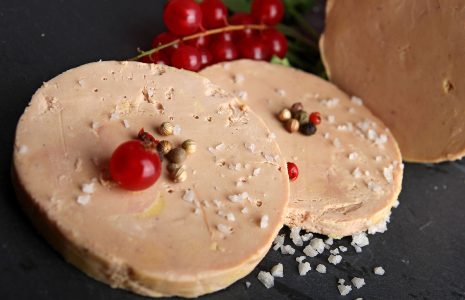
Foie gras is made from the liver of duck or goose and is prized for its:
- Silky texture
- Rich, buttery flavour
- Delicate finish
- Luxury status in French cuisine
It is usually lightly seasoned and designed to showcase the natural qualities of the liver.
Common forms include:
- Foie Gras Entier
- Bloc de Foie Gras
- Mi-Cuit Foie Gras
- Goose Foie Gras
- Duck Foie Gras
What Is Pâté?
Pâté is a much broader category of French food.
It can be made from:
- Pork
- Chicken
- Duck
- Game meats
- Liver
- Herbs and spices
- Wine or spirits
Pâté may be:
- Smooth
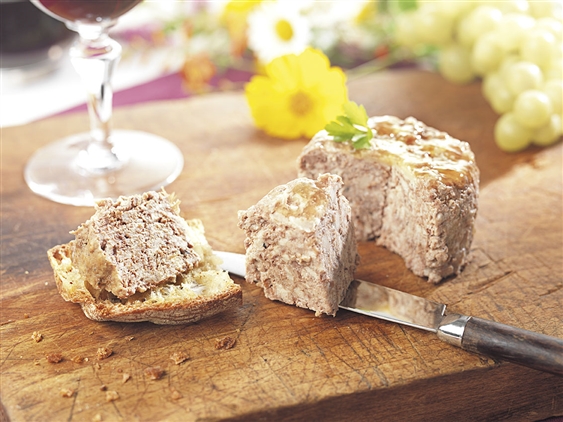
- Coarse
- Rustic
- Spreadable
- Sliceable
There are countless regional recipes throughout France.
Ingredients Compared
Foie Gras
Typically contains:
- Duck or goose liver
- Salt
- Seasonings
The focus is on simplicity and purity.
Pâté
May contain:
- Multiple meats
- Fat
- Herbs
- Spices
- Alcohol
- Vegetables
Recipes vary widely depending on the producer and region.
Texture Comparison
One of the biggest differences is texture.
Foie Gras
- Smooth
- Silky
- Delicate
- Melt-in-the-mouth
Pâté
- Smooth or coarse
- Denser texture
- More rustic mouthfeel
- Often chunkier
Foie gras is generally regarded as the more refined eating experience.
Flavour Comparison
Foie Gras
- Rich but subtle
- Buttery
- Delicately savoury
- Long, elegant finish
Pâté
- More robust
- More heavily seasoned
- Often herbaceous
- Can have stronger meat flavours
Foie gras is prized for its elegance, while pâté is valued for its depth and variety.
Price Differences
Foie gras is typically more expensive because:
- It is a specialist product
- Production is more limited
- It is considered a luxury delicacy
- Demand is driven by gourmet and fine dining markets
Pâté is generally more affordable and accessible for everyday enjoyment.
How They Are Served
Foie Gras
Often served:
- Slightly chilled
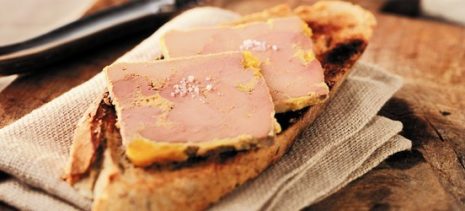
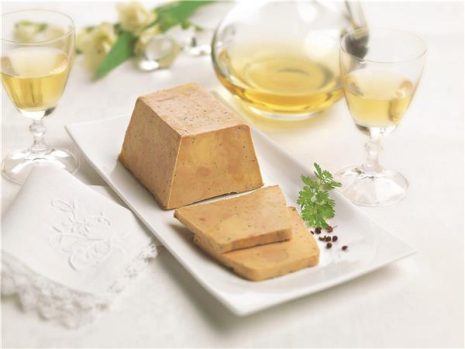
- Thinly sliced
- With brioche or toasted bread
- Accompanied by Champagne or Sauternes
Pâté
Commonly served:
- On crusty bread
- As part of a charcuterie board
- With cornichons and mustard
- Alongside cheeses and cured meats
Which Is Better for Entertaining?
Both have their place.
Choose Foie Gras If:
- You want a luxury starter
- You’re hosting a special occasion
- You want a fine dining experience
- You’re creating a premium gift hamper
Choose Pâté If:
- You’re building a charcuterie board
- You want variety
- You’re entertaining larger groups
- You’re looking for everyday gourmet enjoyment
Can You Serve Them Together?
Absolutely.
Many French entertaining platters include:
- Foie gras
- Country pâté
- Rillettes
- Terrines
- Cornichons
- Artisan breads
The contrast between the luxurious smoothness of foie gras and the rustic character of pâté creates an excellent tasting experience.
Why Foie Gras Is Considered More Luxurious
Foie gras occupies a unique position in French gastronomy because of:
- Its heritage
- Its rarity
- Its texture
- Its association with fine dining
- Its traditional role in festive celebrations
While pâté is a staple of French cuisine, foie gras is often reserved for life’s special moments.
Final Thoughts
Foie gras and pâté may share a place in French culinary tradition, but they offer very different experiences. Pâté is diverse, rustic, and versatile, while foie gras is refined, delicate, and unmistakably luxurious.
For everyday gourmet enjoyment, pâté is an excellent choice. For celebrations, gifting, and fine dining, foie gras remains one of the most prestigious foods in the world.
At The Good Food Network, both have a place on the table—the choice simply depends on the occasion and the experience you want to create.