
Duck vs Goose Foie Gras | What’s the Difference? Taste, Texture & Price
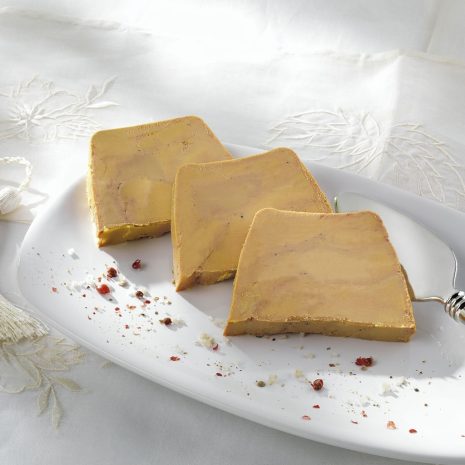
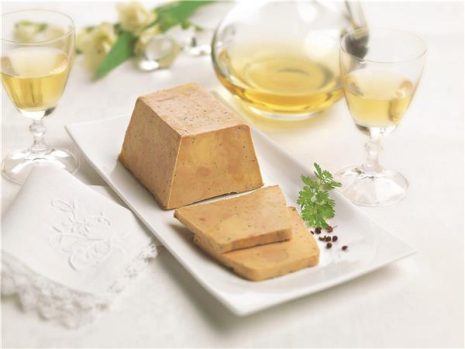
One of the most common decisions when buying foie gras is whether to choose duck or goose. Both are premium delicacies in French gastronomy, but they offer noticeably different flavour profiles, textures, and overall dining experiences.
At The Good Food Network, both are selected for quality and authenticity—but the right choice depends on your personal taste and how you plan to enjoy it.
The Core Difference
The simplest way to understand the difference is:
- Duck foie gras is richer, stronger, and more widely used
- Goose foie gras is lighter, more delicate, and traditionally more refined
Both are luxurious, but they appeal to slightly different preferences.
Duck Foie Gras
Duck foie gras is the most commonly produced and widely enjoyed style.
Taste & Texture
- Rich, full-bodied flavour
- Slightly earthy, savoury notes
- Creamy and smooth texture
- More pronounced taste on the palate
It is often described as the more “robust” version of foie gras.
Why people choose duck foie gras
- More accessible and widely available
- Generally more affordable than goose
- Strong flavour that pairs well with chutneys and wine
- Ideal for entertaining and canapés
Duck foie gras is often the go-to choice for first-time buyers.
Goose Foie Gras
Goose foie gras is considered the more traditional and refined option.
Taste & Texture
- Mild, delicate flavour
- Subtle sweetness and elegance
- Very smooth, almost silky texture
- Long, refined finish
It is often described as the most luxurious expression of foie gras.
Why people choose goose foie gras
- More subtle and elegant taste
- Traditional in classic French gastronomy
- Highly prized by gourmet enthusiasts
- Ideal for fine dining occasions
Goose foie gras is usually chosen when refinement is the priority.
Duck vs Goose Foie Gras Comparison
| Feature | Duck Foie Gras | Goose Foie Gras |
|---|---|---|
| Flavour | Rich, earthy, bold | Mild, delicate, refined |
| Texture | Creamy, dense | Silky, soft |
| Intensity | Stronger | Lighter |
| Availability | Widely available | More limited |
| Price | More accessible | Premium |
| Best for | Entertaining, canapés | Fine dining, special occasions |
Which Tastes Better?
There is no universal “best” foie gras—it depends entirely on preference.
Choose duck foie gras if you prefer:
- A richer, more pronounced flavour
- A fuller taste experience
- A versatile option for serving
Choose goose foie gras if you prefer:
- A lighter, more refined profile
- A subtle, elegant flavour
- A traditional fine dining experience
Which Is More Luxurious?
Traditionally, goose foie gras has been considered the more prestigious option due to its rarity and delicate flavour. However, high-quality duck foie gras is equally respected and widely used by chefs for its consistency and depth.
Luxury today is less about hierarchy and more about personal taste and occasion.
How to Serve Both Types
Both duck and goose foie gras are best served simply:
- Slightly chilled, not cold
- Sliced with a warm knife
- On brioche or toasted bread
- With fig chutney or onion marmalade
- Paired with Sauternes or Champagne
The serving style is identical—the difference is in flavour character.
When to Choose Each
A simple guide:
Choose duck foie gras if you want:
- Bold flavour
- Versatility
- Entertaining or canapé use
- A great introduction to foie gras
Choose goose foie gras if you want:
- Subtle elegance
- Traditional French luxury
- A refined tasting experience
- Special occasion dining
Final Thoughts
Duck and goose foie gras both represent the best of French culinary tradition, but they offer different experiences. Duck is richer and more expressive, while goose is delicate and refined.
Whichever you choose, both deliver a luxurious, memorable experience when served properly and enjoyed slowly.