
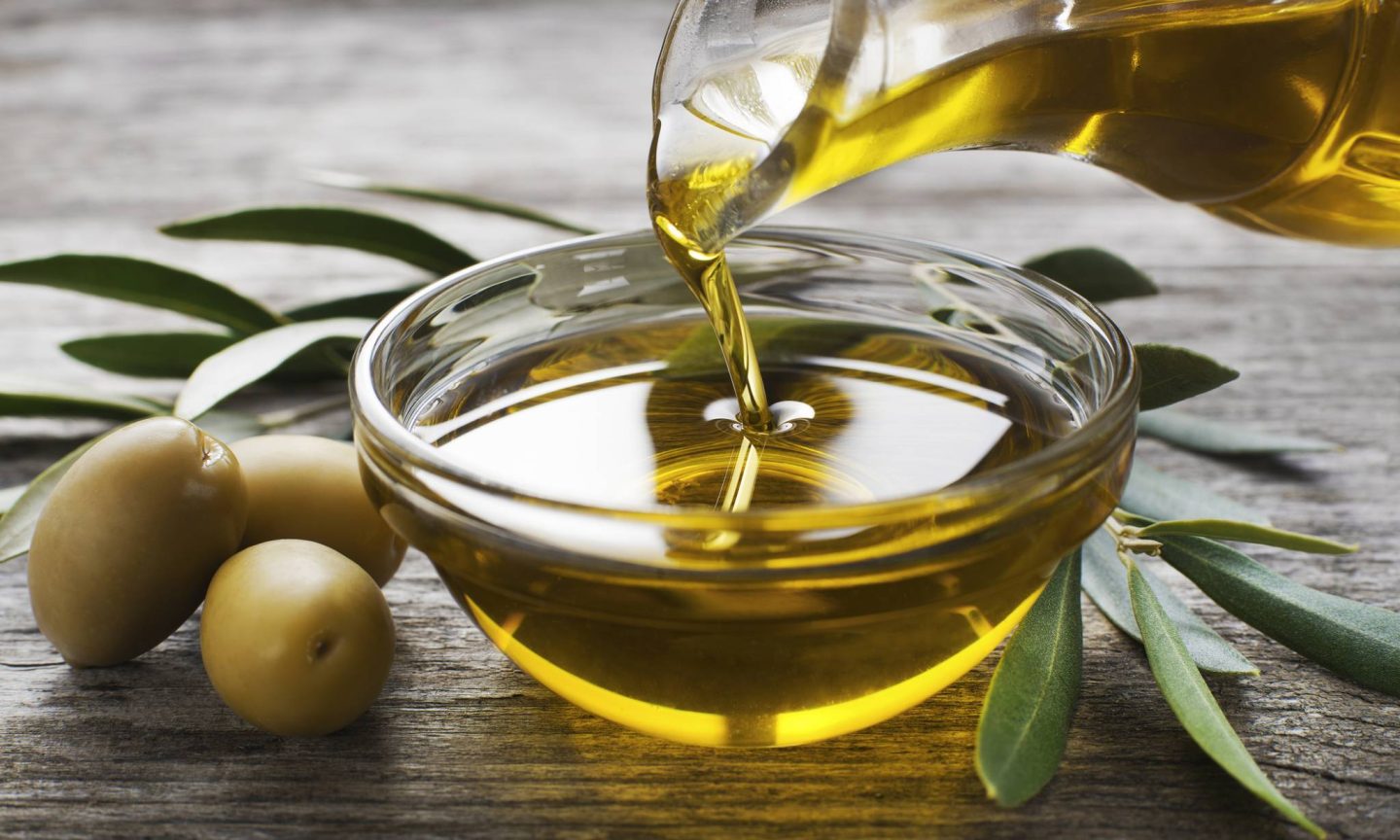
Extra Virgin Olive Oil vs. Regular Olive Oil: What’s the Difference and Why Does It Matter?
When browsing gourmet food shelves or shopping online, you’ve probably noticed multiple types of olive oil. One bottle proudly displays “Extra Virgin Olive Oil,” while another simply says “Olive Oil.” They may look similar, but the differences are significant—and they can affect everything from flavor and nutrition to cooking performance and overall value.
If you’ve ever wondered whether extra virgin olive oil is worth the higher price, this guide will answer all your questions.
What Is Extra Virgin Olive Oil?
Extra Virgin Olive Oil (EVOO) is the highest-quality olive oil available. It is made by mechanically pressing fresh olives without using heat or chemicals. This gentle extraction process preserves the oil’s natural flavor, aroma, antioxidants, and nutrients.
To be classified as extra virgin, the oil must meet strict quality standards, including low acidity levels and the absence of flavor defects.
Think of it as the difference between freshly squeezed orange juice and a processed juice blend. Both come from the same fruit, but the quality and taste are worlds apart.
What Is Regular Olive Oil?
Regular olive oil, sometimes labeled simply as “Olive Oil” or “Pure Olive Oil,” is typically a blend of refined olive oil and a small amount of virgin olive oil.
The refining process uses heat and filtration to remove impurities, but it also removes many of the natural compounds that give olive oil its flavor, aroma, and health benefits.
The result is a lighter, more neutral oil that is often less expensive but also less distinctive.
Quick Comparison: Extra Virgin Olive Oil vs. Olive Oil
| Feature | Extra Virgin Olive Oil | Regular Olive Oil |
|---|---|---|
| Processing | Cold-pressed, unrefined | Refined and blended |
| Flavor | Rich, fruity, peppery | Mild and neutral |
| Antioxidants | High | Lower |
| Polyphenols | High | Reduced |
| Nutritional Value | Highest | Moderate |
| Cost | Higher | Lower |
| Gourmet Applications | Excellent | Good |
Why Do Food Lovers Prefer Extra Virgin Olive Oil?
Superior Flavor
One of the biggest reasons chefs and food enthusiasts choose EVOO is flavor.
Depending on the olive variety and region, extra virgin olive oil can offer notes of:
- Fresh grass
- Green apple
- Almonds
- Artichoke
- Tomato leaf
- Herbs
- Pepper
A high-quality EVOO can transform simple dishes like salads, grilled vegetables, pasta, bread, or seafood into memorable culinary experiences.
Regular olive oil tends to have a much milder taste and lacks the complexity that gourmet cooking often demands.
More Natural Nutrients
Extra virgin olive oil contains naturally occurring compounds that are largely preserved during production, including:
- Vitamin E
- Vitamin K
- Healthy monounsaturated fats
- Polyphenols
- Antioxidants
These compounds are valued for supporting overall wellness and protecting the oil from oxidation.
Higher Antioxidant Content
One of EVOO’s greatest advantages is its rich concentration of antioxidants.
Antioxidants help combat oxidative stress in the body and contribute to the oil’s stability and freshness.
Many health experts consider the antioxidant content one of the key reasons olive oil plays such an important role in Mediterranean-style diets.
Is Extra Virgin Olive Oil Healthier Than Regular Olive Oil?
In most cases, yes.
While both oils contain heart-friendly monounsaturated fats, extra virgin olive oil retains significantly more of the beneficial compounds naturally found in olives.
Because it undergoes minimal processing, EVOO offers:
- More antioxidants
- More polyphenols
- Greater nutritional value
- Better preservation of natural olive compounds
This is why nutritionists often recommend extra virgin olive oil as the preferred choice whenever possible.
Can You Cook with Extra Virgin Olive Oil?
Absolutely.
A common myth is that extra virgin olive oil should only be used for salads and finishing dishes.
In reality, quality EVOO can be used for:
- Sautéing
- Roasting
- Baking
- Pan-frying
- Grilling
- Everyday cooking
Many professional chefs cook with EVOO regularly because it adds flavor while providing excellent culinary performance.
For deep frying or situations where flavor is less important, some people choose regular olive oil for cost reasons.
Why Is Extra Virgin Olive Oil More Expensive?
Several factors contribute to the higher price:
Higher Quality Standards
Only the best olives qualify for extra virgin production.
Labor-Intensive Harvesting
Premium producers often harvest olives at the optimal ripeness and process them quickly to maintain quality.
Lower Yield
Creating high-quality EVOO often means producing less oil from the same amount of fruit.
Strict Testing
Authentic extra virgin olive oils undergo quality testing to ensure they meet industry standards.
The result is a premium product that reflects greater care from grove to bottle.
How Can You Tell If an Extra Virgin Olive Oil Is High Quality?
Look for these signs:
Harvest Date
Freshness matters. The closer the harvest date, the better.
Dark Glass Bottles
Dark bottles protect the oil from light damage.
Country or Region of Origin
Reputable producers proudly share where their olives are grown.
Flavor Notes
Quality EVOOs often describe tasting characteristics such as fruity, peppery, herbaceous, or grassy.
Certifications
Look for recognized quality certifications when available.
Does Extra Virgin Olive Oil Taste Different?
Yes—and dramatically so.
Many first-time buyers are surprised by the complexity of premium EVOO.
A fresh extra virgin olive oil may have:
- Fruity aromas
- Herbal notes
- Pleasant bitterness
- Peppery finish
That peppery sensation in the throat is often a sign of healthy polyphenols and freshness.
Regular olive oil generally lacks these characteristics and tastes much milder.
What Foods Pair Best with Extra Virgin Olive Oil?
EVOO shines when its flavor can be appreciated.
Some favorite uses include:
- Fresh bread dipping
- Caprese salads
- Burrata and mozzarella
- Grilled vegetables
- Roasted potatoes
- Pasta dishes
- Seafood
- Soups
- Bruschetta
- Mediterranean recipes
Many gourmet cooks even drizzle premium EVOO over finished dishes just before serving.
Frequently Asked Questions
Is extra virgin olive oil worth the extra cost?
For flavor, nutrition, and quality, most food enthusiasts would say yes. A little often goes a long way in elevating everyday meals.
Does extra virgin olive oil expire?
Yes. While it doesn’t spoil immediately, freshness matters. Most EVOOs are best enjoyed within 12–24 months of harvest.
Should olive oil be refrigerated?
Generally no. Store it in a cool, dark place away from heat and sunlight.
Can extra virgin olive oil be used every day?
Absolutely. Many people use it daily for cooking, dressings, marinades, and finishing dishes.
Why does some EVOO taste peppery?
That peppery sensation comes from natural compounds called polyphenols and is often associated with fresh, high-quality oil.
Final Thoughts
If you’re looking for the best flavor, maximum nutritional value, and an authentic gourmet experience, extra virgin olive oil stands in a class of its own.
While regular olive oil remains a practical option for some cooking applications, extra virgin olive oil offers the richness, character, and natural goodness that have made it a staple of Mediterranean cuisine for centuries.
Whether you’re drizzling it over a fresh salad, pairing it with artisan bread, or finishing a perfectly roasted dish, a quality extra virgin olive oil can turn simple ingredients into something extraordinary.