Paddlefish Caviar vs Sturgeon Caviar
Caviar means luxury. Silver trays, mother of pearl spoons, delicate presentations. Whether it’s the centrepiece at a London restaurant or your own dinner party, caviar is as much ritual as taste.
But not all caviar is equal.
You want to serve caviar. Maybe you’re hosting something special. Maybe you’re curious what the fuss is about. But Beluga costs £400 for 100 grams, wild sturgeon stocks are limited, and you’re not entirely sure your guests will even notice the difference.
That’s where paddlefish comes in.
For centuries, “caviar” meant one thing: roe from sturgeon. Beluga, Oscietra, Sevruga. Fish pulled from the Caspian or Black Sea. Old-world glamour, exclusivity, the works.
Times change. Wild sturgeon are endangered. Prices keep climbing. Ethical sourcing matters now. Paddlefish caviar has carved out space as a genuine alternative, not a compromise.
Here’s how they compare.

What Is Sturgeon Caviar?
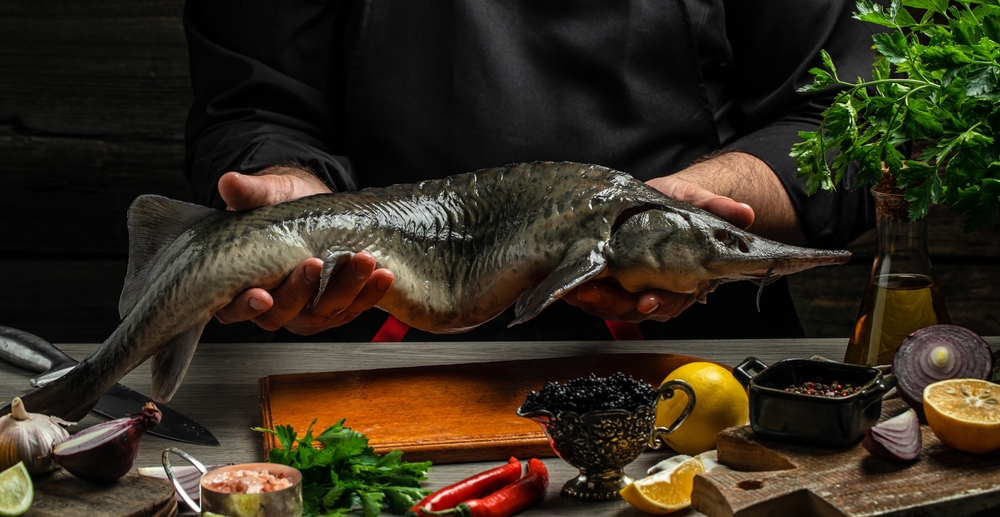
Sturgeon caviar comes from several species: Beluga (Huso huso), Osetra (Acipenser gueldenstaedtii), and Sevruga (Acipenser stellatus). Each has distinct size, colour, and flavour. Beluga eggs are large and pale. Osetra ranges from golden to dark brown. Sevruga is smaller and silvery.
Production is slow. Sturgeons take 8 to 20 years to mature. Their roe is harvested occasionally. This timeline, combined with shrinking wild stocks and heavy regulation, makes sturgeon caviar rare and expensive.
Most UK caviar now comes from farms. Caspian Sea operations follow CITES protocols. Some European producers have made progress with ethical breeding, but the process remains resource-intensive.
Sturgeon caviar is still the gold standard. But with supply tight and prices high, more people are exploring alternatives.
What Is Paddlefish Caviar?
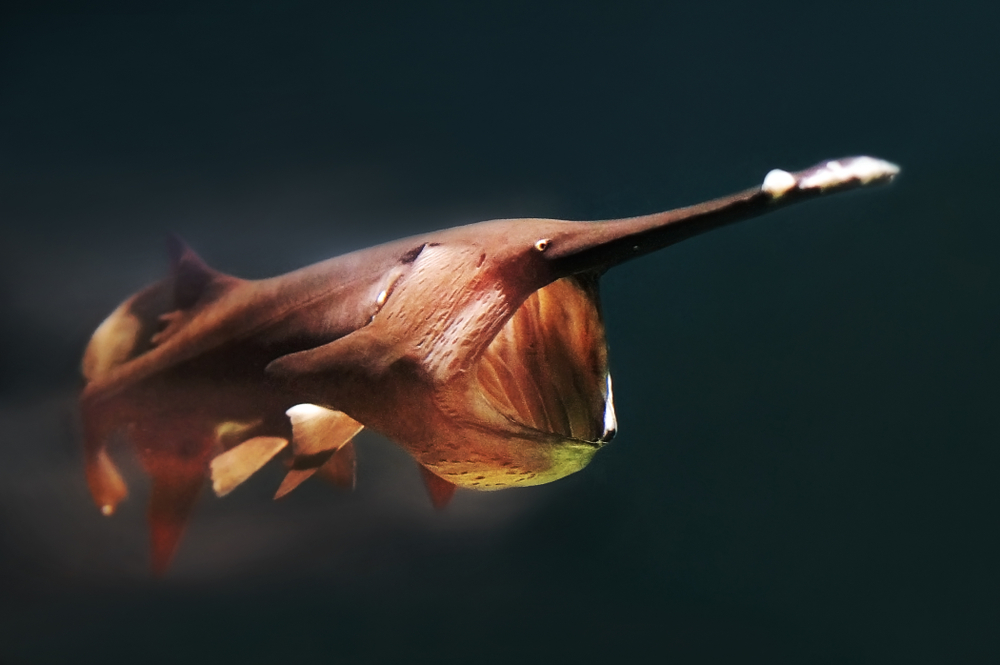
Paddlefish caviar (sometimes called “American caviar”) comes from the paddlefish, a freshwater species native to North American rivers. Not a true sturgeon, but a distant cousin with a long, paddle-shaped snout.
Commercial harvesting began in the late 20th century as sturgeon became scarce and laws protecting endangered fish tightened.
The eggs are smaller than most sturgeon varieties, 2.5 to 3 mm across, with a glossy, near-black appearance.
How They Differ:
| Sturgeon Caviar | Paddlefish Caviar | |
| Taste | Complex, creamy, nutty, and buttery; lingering marine notes | Briny, clean, mild, with earthy undertones; less intense |
| Texture | Large, delicate eggs (up to 4 mm); gentle pop | Smaller, firmer eggs (2.5–3 mm); subtle crunch |
| Appearance | Varies: pale grey (Beluga), golden (Osetra), silvery (Sevruga) | Uniform glossy dark grey to black |
| Price (UK retail) | £120–£500+ per 100g (species-dependent) | £40–£120 per 100g |
| Availability | Seasonal, limited by quotas/import laws | More widely available year-round |
| Seasonality | Harvested autumn/winter; limited batches | Harvested spring/summer; larger volume |
| Sustainability | Mostly farmed; wild stocks threatened | Wild/farmed; generally more sustainable |
Flavour
Sturgeon caviar, especially Beluga, is layered. Creamy, nutty, sometimes buttery, often with a marine note that lingers. Osetra can carry hints of hazelnut or fruit. Sevruga leans sharper, more mineral. These are caviars for people who want complexity.
Paddlefish is more direct. Briny and clean, with gentle earthiness. It doesn’t have the nuttiness or creamy finish of sturgeon. That’s not a flaw. First-time tasters find it less intimidating. Its milder taste means you can pair it with more foods without overwhelming other flavours. It works on a blini, spooned over oysters, or placed atop eggs benedict.
Taste both side by side if you get the chance.
Texture
Top-quality sturgeon caviar, especially Beluga and Osetra, has large eggs that pop gently. The soft burst is part of what makes traditional caviar feel luxurious.
Paddlefish eggs are smaller and firmer. You get a subtle crunch instead of a pop. Some diners prefer this contrast, especially with crisp or creamy accompaniments like cream cheese.
Appearance
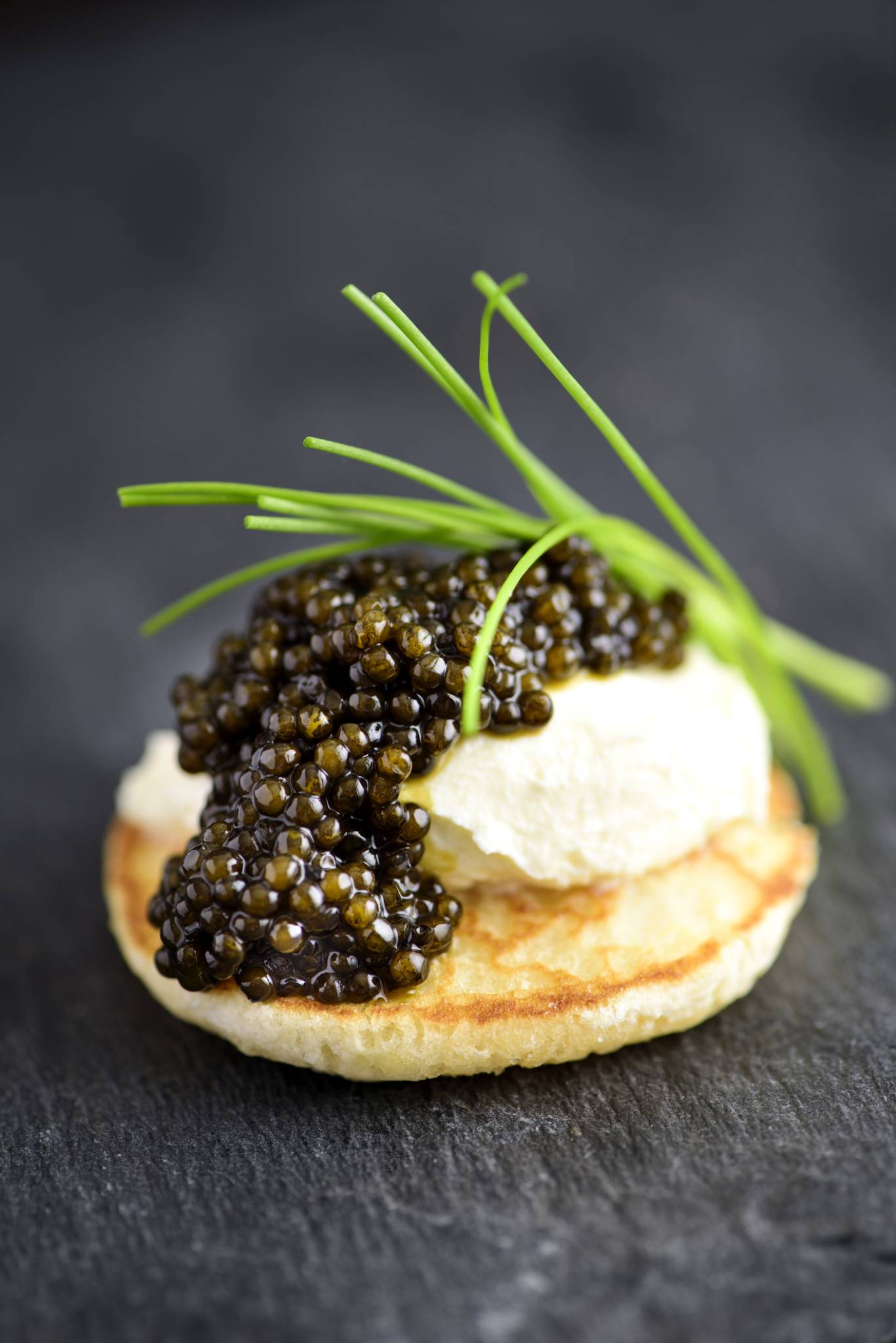
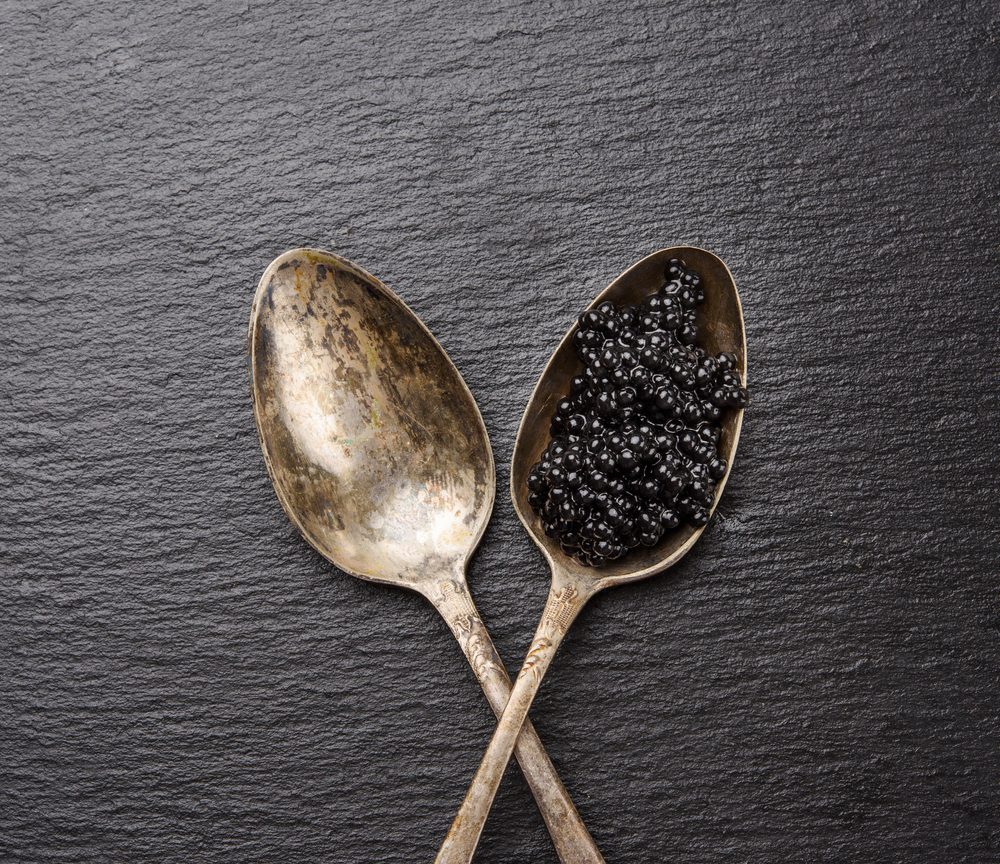
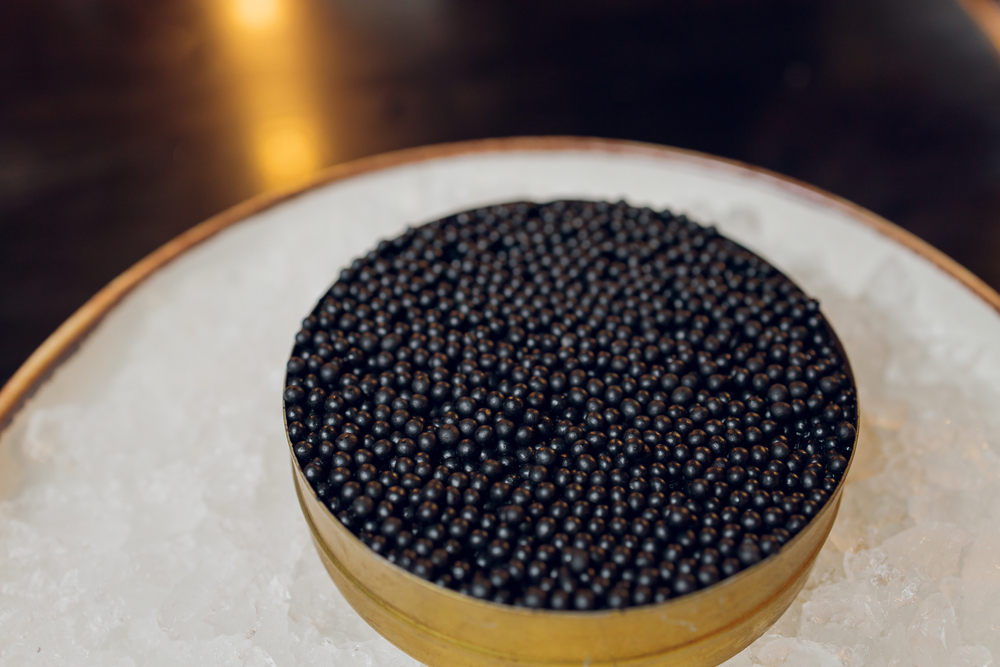
Paddlefish caviar is nearly always deep, glossy black. Uniform colour. Striking against pale foods. Modern presentations look sharp on mother of pearl spoons or atop oysters.
Sturgeon caviar offers variety. Beluga’s pearls are pale and translucent. Osetra ranges from gold to dark brown. Sevruga is silvery. Golden Osetra brings warmth. Silver Sevruga brings elegance. Beluga is old-school luxury.
Price
Sturgeon caviar is expensive, with prices swinging from £120 to over £500 per 100 grams, depending on species and origin. The high cost reflects the slow-growing nature of sturgeon, the legal restrictions, and the ongoing scarcity of true wild caviar. These factors, combined with global demand, mean serving sturgeon caviar in generous portions can quickly add up.
Paddlefish caviar, on the other hand, is much more accessible, usually priced between £40 and £120 per 100 grams. This allows you the option of serving caviar more freely, whether as part of a tasting menu, at a larger event, or just for the joy of letting guests return for seconds. For many, it’s the difference between an occasional treat and a regular luxury.
Availability
Sturgeon caviar’s supply is limited, tightly regulated, and even subject to waiting lists or pre-orders for the highest quality or rarer varieties. The UK market is dominated by farmed caviar, with most wild stocks protected or off-limits. Sourcing genuine Beluga or golden Osetra usually means working with specialist suppliers.
Paddlefish caviar is easier to come by. Harvested throughout the year in the US and Europe, it’s regularly stocked by retailers and online shops. This predictability makes it a reliable choice for those who don’t want to worry about shortages or seasonal gaps.
Seasonality
Sturgeon caviar is traditionally an autumn and winter delicacy, with the freshest, highest-quality eggs available in late winter and early spring. This means prices and availability can spike around the holidays, and the best batches often sell out quickly.
Paddlefish caviar is usually harvested in spring and summer and is available in larger volumes, which helps keep quality consistent and prices stable. It’s an ideal choice for summer gatherings, garden parties, or when you want to serve caviar outside the traditional “high season.”
Sustainability
The sustainability of your ingredients is now a fundamental element of most UK shoppers. Wild sturgeon are endangered, and most caviar now comes from carefully managed farms. While some European producers have made real progress in ethical breeding and habitat restoration, the process remains resource-intensive and expensive.
Paddlefish caviar is generally considered more sustainable. Populations are healthier, and regulated fisheries in the US and Europe use quotas to prevent overfishing. Paddlefish mature faster, which also makes their roe more renewable. For those who want to balance luxury with environmental responsibility, paddlefish caviar is an attractive option.
We recommend checking the source and certifications of your caviar. Reliable suppliers should be transparent about their sourcing, whether you’re buying sturgeon or paddlefish.
Storage
Caviar is perishable and sensitive to temperature. Both sturgeon and paddlefish varieties need refrigeration at 0–4°C and should be consumed within a few days of opening. Unopened tins can last several weeks if kept cold and sealed, but once exposed to air, the clock starts ticking.
Sturgeon eggs are particularly delicate and can lose texture and flavour quickly if not handled properly. Paddlefish eggs are slightly hardier, but not by much, careful storage is still a must.
If you’re unsure of how to treat your caviar we’ve produced a guide to storing and serving caviar.
Bon Appetit!
Paddlefish caviar isn’t about settling for less. It’s about finding options that fit your values and occasions.
Understanding their unique characteristics lets you serve caviar with confidence, whether your priority is flavour, sustainability, or making guests feel special.
Curious about other types? Explore our ultimate caviar guide for varieties you might not have considered, from salmon to Baerii and more.