The Complete Guide to French Cassoulet | History, Ingredients & Serving Guide
Few dishes capture the heart of French country cooking quite like cassoulet. Rich, comforting and steeped in centuries of tradition, cassoulet is one of France’s most iconic regional meals. Combining slow-cooked white beans with succulent meats and aromatic stock, it is a dish that celebrates patience, craftsmanship and exceptional ingredients.
Whether you’re discovering cassoulet for the first time or looking to deepen your appreciation of this beloved classic, this guide covers everything you need to know—from its fascinating history and regional variations to serving suggestions, wine pairings and buying advice.
What Is Cassoulet?
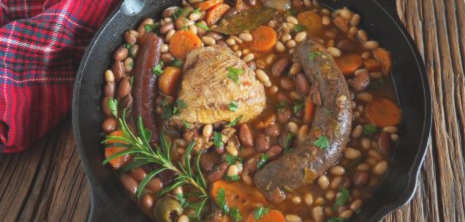
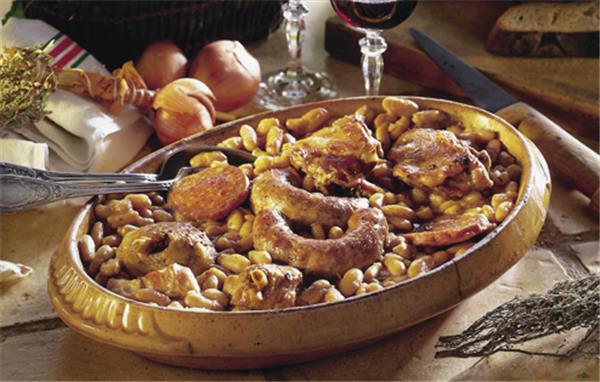
Cassoulet is a traditional French casserole originating from the southwest of France. At its simplest, it consists of white beans slowly cooked with a combination of meats, creating a rich and deeply satisfying dish.
Traditional ingredients often include:
- White haricot beans
- Duck confit
- Toulouse sausage
- Pork
- Pork rind
- Stock and seasonings
The ingredients are cooked slowly over many hours, allowing the flavours to develop and meld together into one of France’s most comforting meals.
Today, cassoulet remains a cornerstone of French regional cuisine and a favourite among food lovers worldwide.
The History of Cassoulet
The origins of cassoulet can be traced to the Languedoc region of southwest France.
The dish takes its name from the cassole, a traditional earthenware cooking vessel used to prepare it. While the exact origins are debated, many historians believe cassoulet evolved from medieval peasant cooking, where locally available beans and preserved meats were slowly simmered to create nourishing meals.
A popular legend claims that cassoulet was first prepared during the Hundred Years’ War when the people of Castelnaudary gathered food supplies to feed soldiers defending the town. Whether fact or folklore, the story reflects the communal and generous spirit that defines the dish.
The Three Great Cassoulet Traditions
One reason cassoulet remains such a fascinating dish is that there is no single recipe. Three towns each claim to produce the definitive version.
Castelnaudary Cassoulet
Widely regarded as the original version.
Typically contains:
- White beans
- Pork
- Duck confit
- Traditional sausage
This style is often considered the most authentic and historically significant.
Toulouse Cassoulet
Perhaps the most widely recognised internationally.
Distinguished by the inclusion of:
- Famous Toulouse sausage
- Duck confit
- Pork
- White beans
The sausage gives the dish its characteristic rich and savoury flavour.
Carcassonne Cassoulet
The heartiest of the three major styles.
Historically may include:
- Lamb
- Mutton
- Game birds
- Additional meats
This variation reflects the agricultural abundance of the surrounding countryside.
What Does Cassoulet Taste Like?
Cassoulet is rich, savoury and deeply comforting.
Expect:
- Creamy beans infused with meat juices
- Tender slow-cooked meats
- Rich stock flavours
- A satisfying, hearty texture
- Layers of flavour developed through long cooking
Unlike heavily spiced dishes, cassoulet relies on quality ingredients and slow cooking to achieve its complexity.
The result is rustic, warming and incredibly satisfying.
Why Is Cassoulet Considered France’s Ultimate Comfort Food?
Few dishes embody comfort quite like cassoulet.
Its popularity comes from its:
- Hearty ingredients
- Slow-cooked richness
- Family-style presentation
- Regional heritage
- Ability to bring people together
In France, cassoulet is often associated with winter meals, family gatherings and leisurely Sunday lunches.
How Is Traditional Cassoulet Made?
Authentic cassoulet requires patience.
The traditional process typically involves:
- Soaking the beans.
- Preparing the meats separately.
- Combining ingredients in a cassole or casserole dish.
- Slow cooking over many hours.
- Allowing flavours to gradually develop.
Some traditional recipes are cooked over two days.
This lengthy preparation is one reason why premium ready-made cassoulet remains so popular—it delivers authentic flavour without the time commitment.
What Makes a Good Cassoulet?
Quality cassoulet starts with quality ingredients.
Look for:
Authentic White Beans
The beans should remain creamy and intact.
Premium Meats
Duck confit and traditional French sausages provide depth and richness.
Slow Cooking
The flavour should taste developed rather than rushed.
Regional Authenticity
Traditional French producers often follow recipes passed down through generations.
How to Serve Cassoulet Like a French Chef
One of the pleasures of cassoulet is its simplicity.
Traditionally it is served:
- Hot from the oven
- In a rustic casserole dish
- Shared at the table
Classic accompaniments include:
- Crusty French bread
- Green salad
- Cornichons
The focus should always remain on the cassoulet itself.
What Wine Goes with Cassoulet?
Rich red wines are the traditional choice.
Excellent pairings include:
Cahors
A classic southwest French pairing.
Madiran
Full-bodied and robust.
Corbières
Earthy and food-friendly.
Minervois
Smooth, rich and balanced.
Côtes du Rhône
A versatile and widely available option.
These wines complement the savoury depth of cassoulet beautifully.
Ready-Made Cassoulet: Is It Authentic?
Absolutely.
Many of France’s finest producers make cassoulet using traditional recipes and regional ingredients.
Premium ready-made cassoulet offers:
- Authentic flavour
- Convenience
- Long shelf life
- Consistent quality
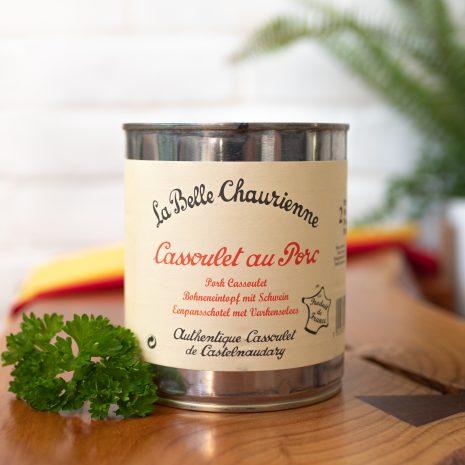
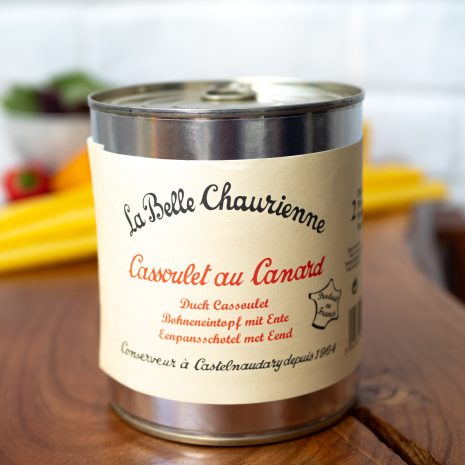
For most customers, it is the easiest way to enjoy a genuine French classic at home.
How to Heat Ready-Made Cassoulet
For best results:
Oven Method
- Transfer to an ovenproof dish
- Heat at 180°C
- Cover loosely with foil
- Remove foil for the final 10 minutes
This creates a lightly browned top and preserves the traditional texture.
Hob Method
- Heat gently in a saucepan
- Stir occasionally
- Avoid vigorous boiling
Both methods work well, though the oven delivers the most traditional result.
How to Store Cassoulet
Unopened cassoulet in tins or jars can usually be stored in a cool cupboard until the best-before date.
Once opened:
- Refrigerate promptly
- Consume within 2–3 days
- Store in an airtight container
Cassoulet can also be frozen for up to 3 months.
Frequently Asked Questions
Is Cassoulet a Main Course?
Yes. It is traditionally served as a complete main meal.
Is Cassoulet Spicy?
No. Authentic cassoulet is rich and savoury rather than spicy.
What Beans Are Used in Cassoulet?
Traditionally white haricot beans.
Can Cassoulet Be Frozen?
Yes. It freezes exceptionally well.
What Is the Best Wine with Cassoulet?
Cahors, Madiran, Corbières and Minervois are all classic choices.
How Many People Does Cassoulet Serve?
This depends on the product, but generally allow 350–450g per person for a main course.
Why Cassoulet Remains a French Culinary Icon
In a world of fast food and convenience meals, cassoulet stands as a reminder of traditional cooking values: patience, quality ingredients and shared enjoyment.
Its enduring popularity comes not only from its flavour but from what it represents—a connection to regional traditions, family meals and the rich culinary heritage of southwest France.
Whether enjoyed in a rustic village restaurant in Languedoc or served at home with a bottle of French wine, cassoulet offers one of the most authentic and rewarding experiences in French cuisine.
Final Thoughts
Cassoulet is far more than a casserole. It is a symbol of French regional cooking, combining humble ingredients with generations of culinary expertise. From the historic recipes of Castelnaudary to the famous sausage-rich version of Toulouse, every cassoulet tells a story of tradition, community and exceptional flavour.
For lovers of French food, few dishes offer such a rich combination of history, authenticity and comfort. Whether you’re buying your first cassoulet or searching for the finest artisan producers, this timeless classic deserves a place on every gourmet table.