• Collection

    Luxury French Food

    • Caviar
      • Beluga Caviar
        • Sevruga Caviar
      • Oscietra Caviar
        • House Selection Caviar
      • All Caviar
    • Foie Gras
      • Goose Foie Gras
        • Duck Foie Gras
        • Foie Gras Mi-Cuit
          • Foie Gras Lobes (For Searing)
            • Foie Gras Au Torchon
          • Foie Gras With Truffles
            • Foie Gras Gift Sets
      • Foie Gras Accompaniments
      • All Foie Gras
    • Duck Confit
      • Free Range Duck Confit
      • All Duck Confit
    • Cassoulet
      • All Cassoulet
    • Luxury Food Gifts
      • Luxury Italian Food
    • Pates & Terrines
      • Cruscana Seafood Terrines
      • French Pork Pate
      • French Duck Pates
      • French Game Terrines
        • Rillettes
      • All Pates & Terrines
    • Luxury French Meals
      • Luxury French Meals From Perigord
      • French Ready Meals for One
      • French Ready Meals for Two
      • Luxury French Starter Ideas
      • French Tinned Food
      • All French Ready Meals
    • French Seafood
      • French Seafood Soups
      • All French Seafood
    • Confectionery
      • Fruits Confits
        • Marrons Glaces
      • Chocolate Coated Walnuts
        • Luxury Chocolates
          • Shortbread Biscuits
      • French Jams
      • Pruneaux d’Agen
        • All Confectionery
    • Fine Ingredients
      • Sargol Saffron Stamen
        • Dried Wild Mushrooms
      • Black Truffles
        • Traditional Balsamic Vinegars From Modena
      • French Sauces
      • Odysea Greek Kalamata Extra Virgin Olive Oil
      • All French Ingredients
    • Our Suppliers
      • Brindisa
      • Caspian Caviar
      • Castaing
      • Clement Faugier
      • Edouard Artzner
        • Lauden Chocolate
      • La Belle Chaurienne
      • La Belle Iloise
      • Maison Godard
      • Odysea
      • Maison Perard
      • Plantin
        • Mymoune
      • All Brands

    Special Offer

    Saute De Boeuf Au Vin De Bergerac (French Beef Stew Slow Cooked In Red Wine Sauce)
    French Beef Stew In Bergerac Wine Sauce (820g Tin Serves 2/3)

    £20.95£15.71

    Add to basket
  • Special Offers
  • Our Picks
  • Blog

    Blog

    • Categories
      • Cassoulet
      • Caviar
      • Duck Confit
      • Foie Gras
      • Seafood
    • Popular Posts
      • Eat Like The French: 5 French Meals For Breakfast?
      • What Are The Best Side Dishes To Serve With Duck Confit?
      • How to Serve, Eat and Store Foie Gras
      • What Wines Should You Serve With Caviar?
      • The Best Accompaniments To Serve With Caviar
    • Recipes
      • Caviar Cream Cheese Dip Recipe
      • Regional Carcassonne Cassoulet Recipe
      • Tapenade
      • Dried porcini pasta recipe
      • All Recipes

    Special Offer

    Plantin Extra Brushed Black Truffles – First boil (27.5g)
    Extra Brushed Black Truffles – First boil (27.5g)

    £65.00£50.00

    Add to basket

Luxury French Food

  • Collection
    • Caviar
      • Beluga Caviar
        • Sevruga Caviar
      • Oscietra Caviar
        • House Selection Caviar
      • All Caviar
    • Foie Gras
      • Goose Foie Gras
        • Duck Foie Gras
        • Foie Gras Mi-Cuit
          • Foie Gras Lobes (For Searing)
            • Foie Gras Au Torchon
          • Foie Gras With Truffles
            • Foie Gras Gift Sets
      • Foie Gras Accompaniments
      • All Foie Gras
    • Duck Confit
      • Free Range Duck Confit
      • All Duck Confit
    • Cassoulet
      • All Cassoulet
    • Luxury Food Gifts
      • Luxury Italian Food
    • Pates & Terrines
      • Cruscana Seafood Terrines
      • French Pork Pate
      • French Duck Pates
      • French Game Terrines
        • Rillettes
      • All Pates & Terrines
    • Luxury French Meals
      • Luxury French Meals From Perigord
      • French Ready Meals for One
      • French Ready Meals for Two
      • Luxury French Starter Ideas
      • French Tinned Food
      • All French Ready Meals
    • French Seafood
      • French Seafood Soups
      • All French Seafood
    • Confectionery
      • Fruits Confits
        • Marrons Glaces
      • Chocolate Coated Walnuts
        • Luxury Chocolates
          • Shortbread Biscuits
      • French Jams
      • Pruneaux d’Agen
        • All Confectionery
    • Fine Ingredients
      • Sargol Saffron Stamen
        • Dried Wild Mushrooms
      • Black Truffles
        • Traditional Balsamic Vinegars From Modena
      • French Sauces
      • Odysea Greek Kalamata Extra Virgin Olive Oil
      • All French Ingredients
    • Our Suppliers
      • Brindisa
      • Caspian Caviar
      • Castaing
      • Clement Faugier
      • Edouard Artzner
        • Lauden Chocolate
      • La Belle Chaurienne
      • La Belle Iloise
      • Maison Godard
      • Odysea
      • Maison Perard
      • Plantin
        • Mymoune
      • All Brands
  • Special Offers
  • Our Picks
  • Blog
    • Categories
      • Cassoulet
      • Caviar
      • Duck Confit
      • Foie Gras
      • Seafood
    • Popular Posts
      • Eat Like The French: 5 French Meals For Breakfast?
      • What Are The Best Side Dishes To Serve With Duck Confit?
      • How to Serve, Eat and Store Foie Gras
      • What Wines Should You Serve With Caviar?
      • The Best Accompaniments To Serve With Caviar
    • Recipes
      • Caviar Cream Cheese Dip Recipe
      • Regional Carcassonne Cassoulet Recipe
      • Tapenade
      • Dried porcini pasta recipe
      • All Recipes
Gourmet French Food Online
Account 0
Feedback

Duck Confit

Top quality duck confit in tins from South West France — tender, delicious and naturally gluten free. With a two-year shelf life, it’s perfect to keep in the cupboard for an effortless, traditional French meal at home. Of interest may be our duck confit blog posts!

Read more
Order Now – Get It Tuesday 21st July Mainland UK | Free delivery for orders over £50
Home » Shop » Luxury French Meals » Duck Confit

Related Categories:

Free Range Duck ConfitLa Belle ChaurienneCastaing Specialities From South West FranceMaison Godard

Showing all 6 resultsSorted by popularity

← Luxury French Meals

Category

  • Free Range Duck Confit

Price

Ingredient

Brand

  • More info
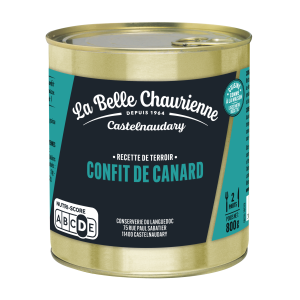
    La Belle Chaurienne Confit De Canard 1250g Tin. Four portions tins of duck confit. 100% natural. 2 years life. Ambient storage. UK wide delivery.

    Duck Confit La Belle Chaurienne (1250g Tin Four Duck Legs)

    £19.95
    Add to basket
  • More info
    Confit De Canard (Duck Confit) in 800g tin contains 2/3 duck legs. La Belle Chaurienne brand.

    Confit De Canard La Belle Chaurienne (800g Tin Two Duck Legs)

    £16.50 Original price was: £16.50.£14.95Current price is: £14.95.
    Add to basket
  • More info
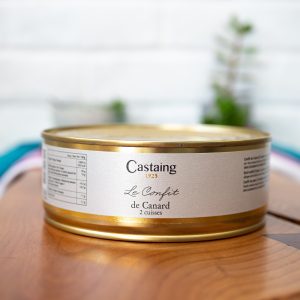
    Castaing - Confit De Canard (820g Tin Containing Two Free Range Duck Confit Legs). Our top of the range free range duck confit in two portion tin.

    Confit De Canard Castaing (820g Tin Two Large Free Range Duck Legs) Outstanding

    £21.95
    Add to basket
  • More info
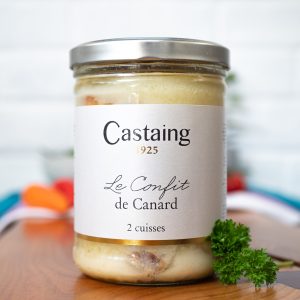
    Castaing - Confit De Canard 730g. A jar of free range duck confit containing two duck legs. 2 years life. UK wide delivery.

    Confit De Canard Castaing (730g Jar Two Large Free Range Duck Confit Legs)

    £22.75
    Add to basket
  • More info
    Confit De Canard Du Sud Ouest 1 Cuisse (390g 1 Duck Leg) - Maison Godard Brand

    Duck Confit (390g One Duck Confit Leg)

    £9.95
    Add to basket
  • More info
    Confit De Canard (Duck Confit) in 800g tin contains 2/3 duck legs. La Belle Chaurienne brand.

    Duck Confit Case Offer (6 x 800g Tins)

    £77.70
    Add to basket

Duck Confit – Your Questions Answered

For over 20 years, we’ve offered one of the UK’s widest selections of authentic duck confit, working with trusted French producers including La Belle Chaurienne, Castaing and Maison Godard. Below, we answer the most common questions about duck confit.

Duck Confit FAQs | Everything You Need to Know About Duck Confit

Find answers to common questions about duck confit, including how it’s made, how to cook it, what it tastes like, storage advice and serving suggestions.

Duck Confit FAQs

Duck confit is one of France’s most celebrated culinary specialities, loved for its rich flavour, tender texture and centuries-old heritage. If you’re considering buying duck confit for the first time—or simply want to learn more—these frequently asked questions cover everything you need to know.


What Is Duck Confit?

Duck confit is a traditional French dish made by curing duck legs with salt before slowly cooking them in their own fat.

The result is exceptionally tender meat with a rich, savoury flavour and a texture that falls effortlessly from the bone.

Duck confit originated as a preservation method in southwest France and remains one of the country’s most famous regional dishes.


What Does “Confit” Mean?

The word confit comes from the French verb confire, meaning “to preserve.”

Traditionally, foods were slowly cooked and stored in fat, sugar or syrup to extend their shelf life.

Duck confit is one of the best-known examples of this centuries-old technique.


What Does Duck Confit Taste Like?

Duck confit has a rich, deep and savoury flavour.

Expect:

  • Tender, succulent meat
  • Crispy golden skin when reheated
  • Rich duck flavour
  • Buttery texture
  • Slow-cooked depth

Many people describe duck confit as more flavourful and luxurious than roast duck.


Is Duck Confit Already Cooked?

Yes.

Most duck confit sold by specialist French food retailers is fully cooked.

It simply needs reheating before serving.

This makes duck confit a convenient gourmet meal that can be enjoyed with minimal preparation.


How Do You Heat Duck Confit?

The most popular method is oven roasting.

Oven Method

  1. Remove excess fat.
  2. Place skin-side up in an ovenproof dish.
  3. Heat at 190°C–200°C.
  4. Cook for approximately 20–30 minutes until hot throughout and the skin becomes crisp.

This produces the best texture and flavour.


Can You Fry Duck Confit?

Yes.

Many chefs finish duck confit in a frying pan.

Place the duck skin-side down in a dry pan over medium heat and cook until crisp.

This works particularly well when preparing duck confit as part of a larger dish.


How Long Does Duck Confit Last?

Storage depends on whether the product has been opened.

Unopened

Traditionally packed duck confit often has a long shelf life and may last many months when stored according to the manufacturer’s instructions.

Opened

Once opened:

  • Refrigerate promptly
  • Consume within 2–3 days

Always follow the storage instructions provided with the product.


Does Duck Confit Need Refrigeration?

Before opening, some duck confit products can be stored in a cool cupboard, while others require refrigeration.

After opening:

Always refrigerate.

Store in an airtight container and consume within a few days.


Can Duck Confit Be Frozen?

Yes.

Duck confit freezes exceptionally well.

To freeze:

  • Cool completely
  • Store in an airtight freezer-safe container
  • Freeze for up to 3 months

Defrost overnight in the refrigerator before reheating.


Why Is Duck Confit Cooked in Fat?

Cooking duck in fat serves several purposes:

  • Preserves the meat
  • Keeps it moist and tender
  • Enhances flavour
  • Creates the distinctive confit texture

This traditional technique is one reason duck confit is so highly regarded in French cuisine.


What Should You Serve with Duck Confit?

Classic accompaniments include:

  • Sarladaise potatoes
  • Roast potatoes
  • Green beans
  • Seasonal vegetables
  • Braised red cabbage
  • Mixed green salad

The rich flavour of duck confit pairs particularly well with simple, rustic side dishes.


What Wine Goes with Duck Confit?

Duck confit pairs beautifully with medium to full-bodied wines.

Popular choices include:

  • Pinot Noir
  • Cahors
  • Madiran
  • Bordeaux
  • Côtes du Rhône

These wines complement the richness of the duck without overwhelming it.


Is Duck Confit Healthy?

Duck confit is a rich and indulgent food best enjoyed as part of a balanced diet.

It provides:

  • Protein
  • Iron
  • B vitamins

Like many traditional gourmet foods, it is typically enjoyed as an occasional treat or special meal.


Why Is Duck Confit So Tender?

The slow cooking process gently breaks down connective tissue within the meat.

This creates the characteristic texture that makes duck confit so famous:

  • Moist
  • Succulent
  • Soft
  • Easy to pull from the bone

Properly prepared duck confit should almost melt in the mouth.


Is Duck Confit Expensive?

Duck confit is generally considered a premium food because of:

  • The quality of the ingredients
  • Traditional production methods
  • Long cooking times
  • French heritage

However, ready-made duck confit offers excellent value compared to preparing it from scratch.


Can Duck Confit Be Used in Cassoulet?

Absolutely.

Duck confit is one of the defining ingredients in traditional cassoulet recipes from southwest France.

Its rich flavour and tender texture help create the depth that makes authentic cassoulet so distinctive.


Is Duck Confit Authentic French Food?

Yes.

Duck confit is one of the most iconic dishes in French regional cuisine and has been enjoyed for centuries, particularly in Gascony, Dordogne and the wider southwest of France.

It remains a staple of traditional French cooking and appears on menus throughout the country.


How Many Duck Legs Should You Serve Per Person?

As a general rule:

  • One duck leg per person for a standard main course
  • Two duck legs per person for very generous portions or special occasions

When served with potatoes and vegetables, one leg is usually sufficient for most diners.


Why Is Duck Confit So Popular?

Duck confit combines everything people love about traditional French cooking:

  • Rich flavour
  • Tender texture
  • Authentic heritage
  • Ease of preparation
  • Exceptional versatility

Whether served as a simple supper, incorporated into cassoulet or presented as part of a gourmet dinner party, duck confit remains one of France’s most treasured culinary specialities.


Final Thoughts

Duck confit is a true classic of French cuisine. Its unique production method, rich flavour and remarkable tenderness have made it a favourite among chefs and food lovers for generations.

Whether you’re trying duck confit for the first time or looking to perfect your serving technique, understanding the basics of preparation, storage and pairing will help you enjoy this iconic French delicacy at its very best.

What Is Duck Confit? | Traditional French Duck Confit Explained

Discover what duck confit is, how it is made, and why it is one of France’s most famous dishes. Learn about its history, flavour, preparation and serving suggestions.

What Is Duck Confit?

Duck confit is one of the most iconic dishes in French cuisine. Known for its rich flavour, tender texture and centuries-old heritage, it is a speciality that perfectly showcases the French approach to simple ingredients transformed through time and tradition.

Originally developed as a method of preserving meat before refrigeration, duck confit has evolved into a gourmet delicacy enjoyed in restaurants, bistros and homes throughout France and around the world.

At The Good Food Network, duck confit remains one of our most popular French specialities, offering an authentic taste of traditional French country cooking with surprisingly little preparation required.


What Does “Confit” Mean?

The word confit comes from the French verb confire, meaning “to preserve.”

Historically, food was preserved by slowly cooking it and storing it in fat, sugar or syrup. In the case of duck confit, duck legs are cured with salt before being gently cooked in duck fat.

This method not only preserved the meat but also created the wonderfully rich flavour and meltingly tender texture that make duck confit so famous today.


How Is Duck Confit Made?

Traditional duck confit follows a process that has changed very little over the centuries.

Step 1: Salt Curing

Duck legs are seasoned with salt and often herbs such as thyme, garlic and bay leaf.

The curing process helps develop flavour and draw out excess moisture.

Step 2: Slow Cooking in Duck Fat

The duck is then slowly cooked in duck fat at a low temperature for several hours.

This gentle cooking process allows the meat to become incredibly tender without drying out.

Step 3: Preservation

Traditionally, the cooked duck was stored beneath a layer of duck fat, helping preserve it for extended periods.

Today, many premium producers continue to use similar methods to maintain authenticity and flavour.


Where Does Duck Confit Come From?

Duck confit originates from southwest France, particularly the regions of:

  • Gascony
  • Dordogne
  • Landes
  • Gers

These areas are renowned for duck farming and have a long history of producing some of France’s most celebrated culinary specialities.

Duck confit remains a cornerstone of the region’s cuisine and is often associated with rustic farmhouse cooking and traditional French hospitality.


What Does Duck Confit Taste Like?

Duck confit is rich, savoury and deeply satisfying.

The slow cooking process creates:

  • Tender, succulent meat
  • Rich duck flavour
  • Crispy skin when reheated
  • A buttery texture
  • Remarkable depth of flavour

Many people describe duck confit as more luxurious and flavourful than roast duck because of the way the meat absorbs flavour during the cooking process.


Why Is Duck Confit So Tender?

The secret lies in the slow cooking.

Cooking the duck gently in fat over several hours breaks down connective tissue while keeping the meat moist and succulent.

The result is meat that:

  • Falls easily from the bone
  • Retains its natural juices
  • Has a silky texture
  • Almost melts in the mouth

This texture is one of the defining characteristics of excellent duck confit.


Is Duck Confit Already Cooked?

Yes.

Most duck confit sold by specialist French food retailers is fully cooked and simply requires reheating before serving.

This makes it one of the easiest gourmet French dishes to prepare at home.

Many customers are surprised by how little effort is needed to create a restaurant-quality meal.


How Do You Serve Duck Confit?

Duck confit is incredibly versatile.

Traditional accompaniments include:

Sarladaise Potatoes

Potatoes cooked in duck fat with garlic and parsley.

Green Beans

A simple and elegant side dish.

Seasonal Vegetables

Roasted root vegetables pair beautifully with duck confit.

Fresh Green Salad

Provides balance and freshness.

The rich flavour of the duck works best with simple accompaniments that allow the meat to remain the star of the plate.


What Wine Goes with Duck Confit?

Duck confit pairs wonderfully with medium to full-bodied wines.

Popular choices include:

  • Pinot Noir
  • Cahors
  • Madiran
  • Bordeaux
  • Côtes du Rhône

These wines have enough structure to complement the richness of the duck while maintaining balance.


Is Duck Confit Used in Other French Dishes?

Absolutely.

Duck confit is a key ingredient in several classic French recipes, most notably:

Cassoulet

The famous slow-cooked bean casserole from southwest France.

Duck confit adds richness and depth that help define the dish.

It can also be used in:

  • Salads
  • Pasta dishes
  • Sandwiches
  • Gourmet potato dishes

Its versatility is one reason it is so popular with chefs.


Why Is Duck Confit Considered a Delicacy?

Duck confit is prized because it combines:

  • Traditional craftsmanship
  • Exceptional flavour
  • Premium ingredients
  • Centuries of culinary heritage

The production process is time-consuming, and the results are distinctly different from ordinary roasted or grilled duck.

For many food lovers, duck confit represents the very best of traditional French cooking.


Is Duck Confit Authentic French Food?

Without question.

Duck confit is one of the most authentic and recognisable dishes in French regional cuisine.

For generations, it has been prepared in rural households across southwest France and remains a staple of French gastronomy today.

It embodies many of the qualities that define great French cooking:

  • Simplicity
  • Patience
  • Quality ingredients
  • Respect for tradition

Why Is Duck Confit So Popular?

Duck confit continues to be loved because it offers:

  • Rich flavour
  • Incredible tenderness
  • Easy preparation
  • Versatility
  • Authentic French heritage

Whether enjoyed as a simple supper, served at a dinner party or incorporated into classic dishes such as cassoulet, duck confit delivers a true taste of France.


Final Thoughts

Duck confit is far more than just a duck dish. It is one of France’s great culinary traditions, combining centuries-old preservation techniques with exceptional flavour and texture.

Made by curing duck legs and slowly cooking them in duck fat, duck confit offers rich, tender meat that is easy to prepare and endlessly enjoyable. Whether you’re exploring French cuisine for the first time or looking to recreate the flavours of southwest France at home, duck confit remains one of the finest and most authentic gourmet foods you can enjoy.

How Is Traditional Duck Confit Made? | Authentic French Confit Explained

Discover how traditional duck confit is made using classic French methods. Learn about salt curing, slow cooking in duck fat and the centuries-old techniques behind this iconic French delicacy. For more general information visit our duck confit blog posts.

How Is Traditional Duck Confit Made?

Duck confit is one of the great treasures of French cuisine. Famous for its rich flavour, succulent texture and remarkable tenderness, it is a dish that reflects centuries of culinary tradition and craftsmanship.

While many people enjoy eating duck confit, fewer understand the time-honoured process that makes it so special. Unlike roast duck or other poultry dishes, duck confit relies on a unique combination of curing, slow cooking and preservation techniques that have been perfected over generations.

At The Good Food Network, we believe understanding how duck confit is made helps you appreciate why it remains one of France’s most celebrated gourmet foods.


What Does “Confit” Mean?

The word confit comes from the French verb confire, meaning “to preserve.”

Before refrigeration, preserving food was essential. In southwest France, where duck farming was widespread, cooks developed a method of preserving duck by slowly cooking it in its own fat and storing it under a protective layer of that fat.

This process not only extended the life of the meat but also created an extraordinary flavour and texture that became highly prized.

Today, duck confit is enjoyed as a delicacy, even though preservation is no longer its primary purpose.


Where Did Duck Confit Originate?

Traditional duck confit comes from southwest France, particularly the regions of:

  • Gascony
  • Dordogne
  • Landes
  • Gers

These rural areas have long histories of duck farming and are renowned for producing some of France’s finest foie gras, duck confit and cassoulet.

Duck confit emerged from a practical need to preserve food through the winter months, but it eventually became a cornerstone of regional French cuisine.


Step 1: Selecting the Duck Legs

Traditional duck confit is usually made using duck legs.

The leg is ideal because it contains:

  • Rich, flavourful meat
  • Natural fat
  • Connective tissue that becomes tender during slow cooking

High-quality duck is essential, as the simplicity of the recipe leaves nowhere to hide inferior ingredients.


Step 2: Salt Curing

The first stage of production is curing.

The duck legs are generously rubbed with salt and often seasoned with traditional aromatics such as:

  • Garlic
  • Thyme
  • Bay leaves
  • Black pepper

The legs are then left to cure for several hours or overnight.

Why Is Curing Important?

Salt curing helps to:

  • Draw out excess moisture
  • Concentrate flavour
  • Improve texture
  • Aid preservation

This stage plays a major role in developing the distinctive taste of duck confit.


Step 3: Slow Cooking in Duck Fat

After curing, the excess salt is removed and the duck legs are submerged in duck fat.

They are then cooked very slowly at a low temperature.

This gentle cooking process may take several hours.

Why Cook Duck in Fat?

Slow cooking in duck fat:

  • Keeps the meat moist
  • Prevents drying out
  • Preserves tenderness
  • Allows flavours to develop gradually

Unlike frying, the fat does not crisp the meat during this stage. Instead, it acts as a protective cooking medium.


Step 4: Achieving the Perfect Texture

During the slow cooking process, connective tissue gradually breaks down.

This transforms the meat into something remarkably tender.

Properly made duck confit should be:

  • Succulent
  • Moist
  • Rich
  • Easy to pull from the bone

The meat develops a silky texture that is difficult to achieve through other cooking methods.


Step 5: Traditional Preservation

Historically, duck confit was stored beneath a layer of duck fat.

The cooked duck would be placed in earthenware containers and completely covered with fat, creating an airtight seal.

This protected the meat from spoilage and allowed it to be stored for extended periods.

For centuries, this method provided families with a reliable source of food throughout the year.


Modern Production Methods

Today’s artisan producers often follow the same principles while using modern food safety standards.

Premium duck confit is still:

  • Salt cured
  • Slowly cooked in duck fat
  • Prepared using traditional recipes

The result remains remarkably close to the confit enjoyed in French farmhouses hundreds of years ago.


Why Does Duck Confit Taste So Different from Roast Duck?

Although both dishes use duck, the cooking methods are entirely different.

Roast Duck

  • Cooked at higher temperatures
  • Crisp skin throughout cooking
  • Firmer texture

Duck Confit

  • Slow cooked in fat
  • More tender meat
  • Richer flavour
  • Greater depth and complexity

The confit process creates a texture and flavour profile that many food lovers consider superior.


How Is Duck Confit Served?

Before serving, duck confit is typically reheated to crisp the skin.

Popular accompaniments include:

  • Sarladaise potatoes
  • Green beans
  • Seasonal vegetables
  • Lentils
  • Fresh salads

The contrast between crispy skin and tender meat is one of the dish’s greatest pleasures.


Why Is Duck Confit Considered a Delicacy?

Duck confit is prized because it requires:

  • Time
  • Skill
  • Quality ingredients
  • Traditional methods

The process cannot be rushed.

Every stage contributes to the final flavour and texture, creating a dish that is both rustic and luxurious.

It represents the best qualities of French regional cooking: patience, simplicity and respect for ingredients.


Is Traditional Duck Confit Still Popular in France?

Absolutely.

Duck confit remains a staple of French gastronomy and appears on menus throughout the country.

It is especially popular in:

  • Traditional bistros
  • Country inns
  • Regional restaurants
  • Family celebrations

Its enduring popularity is a testament to the effectiveness of a recipe that has changed little over centuries.


Frequently Asked Questions

Is duck confit cooked in its own fat?

Yes. Traditional confit is slowly cooked in duck fat, which helps preserve moisture and flavour.

Why is duck confit so tender?

The long, slow cooking process breaks down connective tissue, creating exceptionally tender meat.

Is duck confit already cooked?

Yes. Most ready-made duck confit is fully cooked and simply requires reheating.

Is duck confit preserved?

Traditionally, yes. The confit method was originally developed as a preservation technique.

Can duck confit be used in cassoulet?

Yes. Duck confit is one of the key ingredients in authentic cassoulet recipes.


Final Thoughts

Traditional duck confit is a remarkable example of French culinary ingenuity. What began as a practical preservation method has become one of the world’s most celebrated gourmet dishes.

Through a combination of salt curing, slow cooking in duck fat and generations of expertise, duck confit achieves a flavour and texture that few dishes can match. Rich, tender and deeply satisfying, it remains a true icon of French gastronomy and a must-try for anyone who appreciates authentic gourmet food.

Where Does Duck Confit Come From? | The Origins of French Duck Confit

Discover where duck confit comes from and why southwest France is famous for this traditional delicacy. Learn about the history, regions and heritage behind authentic duck confit.

Where Does Duck Confit Come From?

Duck confit is one of the most famous dishes in French cuisine, celebrated for its rich flavour, tender texture and deep connection to regional food traditions. While it is now enjoyed around the world, its origins lie firmly in the rural countryside of southwest France, where generations of farmers perfected the art of preserving and cooking duck.

Understanding where duck confit comes from helps explain why it remains one of the most authentic and beloved dishes in French gastronomy today.

At The Good Food Network, we believe the story behind a food is just as important as its flavour, and duck confit has one of the most fascinating histories of any French speciality.


What Region of France Is Famous for Duck Confit?

Duck confit originates from southwest France, particularly the historic regions of:

  • Gascony
  • Dordogne
  • Landes
  • Gers
  • Périgord

These regions are renowned for their rich agricultural traditions and are considered the heartland of French duck production.

For centuries, ducks have played an important role in local farming and cuisine, providing meat, fat and other prized delicacies such as foie gras.

Today, many of the finest duck confit products still come from this part of France.


Why Was Duck Confit Originally Created?

Duck confit was born out of necessity.

Before refrigeration, families needed reliable ways to preserve food for long periods. In rural southwest France, ducks were abundant, and local farmers developed a method of curing duck legs with salt before slowly cooking them in duck fat.

Once cooked, the duck could be stored beneath a protective layer of fat, helping to keep it edible for months.

This preservation technique allowed households to enjoy high-quality meat throughout the year, particularly during winter when fresh food was less readily available.


What Does “Confit” Mean?

The word confit comes from the French verb confire, meaning “to preserve.”

While many people today associate duck confit with fine dining, its roots are surprisingly humble.

The confit method was originally a practical solution to food storage, long before it became recognised as a culinary art form.

Ironically, a preservation method developed by farmers has become one of France’s most celebrated gourmet foods.


Why Southwest France?

Southwest France offers ideal conditions for duck farming.

The region has long been known for:

  • Rich agricultural land
  • Traditional farming methods
  • Abundant grain production
  • Strong culinary heritage

Families often raised ducks alongside other livestock, making duck a natural and affordable source of food.

Over time, the region developed a reputation for producing some of France’s finest duck-based dishes, including:

  • Duck confit
  • Foie gras
  • Cassoulet
  • Magret de canard (duck breast)

These dishes remain central to the identity of southwest French cuisine.


The Connection Between Duck Confit and Gascony

Many food historians consider Gascony to be the spiritual home of duck confit.

This historic region is famous for its rustic cooking traditions and emphasis on local ingredients.

Gascon cuisine celebrates:

  • Duck
  • Goose
  • Garlic
  • Armagnac
  • Seasonal produce

Duck confit became a staple of everyday life in Gascony because it provided both nourishment and practicality.

Even today, it is difficult to find a traditional Gascon menu without some form of duck dish.


Duck Confit and French Country Cooking

Duck confit perfectly represents the principles of French country cooking.

These include:

  • Respect for ingredients
  • Slow preparation
  • Traditional techniques
  • Minimal waste
  • Maximum flavour

Unlike elaborate restaurant dishes, duck confit was originally designed to make the most of available resources.

Its enduring popularity reflects the timeless appeal of simple food prepared exceptionally well.


How Did Duck Confit Become Famous?

For much of its history, duck confit remained a regional speciality.

As French cuisine gained international recognition during the 19th and 20th centuries, chefs began introducing traditional regional dishes to a wider audience.

Duck confit quickly gained admirers because of its:

  • Rich flavour
  • Tender texture
  • Culinary heritage
  • Versatility

Today, it appears on menus throughout France and is widely regarded as one of the country’s signature dishes.


Is Duck Confit Still Made Traditionally?

Yes.

Many artisan French producers continue to follow traditional methods that closely resemble those used centuries ago.

Authentic duck confit is still:

  • Salt cured
  • Slowly cooked in duck fat
  • Prepared using regional recipes
  • Produced with a focus on quality rather than speed

These traditional techniques help preserve the flavour and character that make duck confit so distinctive.


What Other French Dishes Use Duck Confit?

Duck confit is perhaps most famous as a standalone dish, but it also plays an important role in other regional recipes.

Most notably:

Cassoulet

The classic bean casserole of southwest France often includes duck confit as a key ingredient.

The duck adds richness and depth that help define authentic cassoulet.

Duck confit may also be used in:

  • Salads
  • Potato dishes
  • Pasta recipes
  • Gourmet sandwiches

Its versatility makes it a favourite ingredient among chefs.


Why Is Duck Confit Considered a French Delicacy?

Duck confit combines everything people love about traditional French food:

  • History
  • Craftsmanship
  • Exceptional flavour
  • Authenticity
  • Regional identity

It reflects centuries of culinary evolution while remaining remarkably faithful to its origins.

For many food lovers, duck confit represents the very essence of French gastronomy.


Can You Visit the Regions Famous for Duck Confit?

Absolutely.

Food lovers visiting southwest France often explore regions such as:

  • Gascony
  • Dordogne
  • Landes
  • Gers
  • Périgord

Local markets, restaurants and farm shops offer opportunities to sample duck confit prepared according to traditional recipes.

These regions remain some of the most rewarding destinations for anyone interested in authentic French food culture.


Final Thoughts

Duck confit comes from the heart of southwest France, where generations of farmers developed a simple yet ingenious way to preserve duck and create one of the country’s most beloved dishes.

Rooted in the traditions of Gascony, Dordogne and the surrounding countryside, duck confit has evolved from a practical farmhouse staple into an internationally recognised gourmet delicacy. Yet despite its global popularity, it remains deeply connected to the rural landscapes and culinary heritage that first gave it life.

Every serving of authentic duck confit offers not only exceptional flavour but also a taste of one of France’s richest and most enduring food traditions.

What Does Duck Confit Taste Like? | Flavour, Texture & What to Expect

Discover what duck confit tastes like. Learn about its rich flavour, tender texture, crispy skin and why this traditional French delicacy is loved by food enthusiasts worldwide.

What Does Duck Confit Taste Like?

If you’ve never tried duck confit before, one of the first questions you’ll likely ask is: what does it actually taste like?

The simple answer is that duck confit is rich, savoury, deeply flavourful and incredibly tender. It delivers all the qualities people love about duck but with a depth and complexity that comes from slow cooking and traditional French preparation methods.

For many food lovers, duck confit is one of the most satisfying dishes in French cuisine. Its combination of succulent meat, crispy skin and rich flavour has made it a favourite in restaurants, country inns and family kitchens across France for centuries.

At The Good Food Network, duck confit is one of the French classics we most often recommend to customers looking to experience authentic French cooking at home.


How Would You Describe the Flavour of Duck Confit?

Duck confit has a rich, savoury flavour that is more intense than chicken but less gamey than some wild birds.

Expect notes of:

  • Slow-cooked roast duck
  • Rich poultry flavour
  • Savoury meat juices
  • Gentle seasoning
  • Buttery richness from the duck fat

The flavour is full-bodied and comforting without being overpowering.

Because the duck is slowly cooked in its own fat, the meat develops a depth that cannot be achieved through roasting alone.


Is Duck Confit Rich?

Yes, but in a balanced and enjoyable way.

Duck confit is known for its luxurious richness, which comes from:

  • The natural fat content of the duck
  • The slow cooking process
  • The concentration of flavour during curing and cooking

Despite this richness, good duck confit should never feel greasy or heavy.

Instead, it should taste smooth, rounded and satisfying.


What Is the Texture Like?

The texture is one of the reasons duck confit is so highly prized.

Properly prepared duck confit should be:

  • Exceptionally tender
  • Moist and succulent
  • Soft enough to pull apart with a fork
  • Juicy without being fatty

The slow cooking process gently breaks down connective tissue, resulting in meat that almost melts in the mouth.

This tenderness is often what surprises first-time diners most.


Does Duck Confit Have Crispy Skin?

When reheated correctly, yes.

One of the great pleasures of duck confit is the contrast between:

Crispy Golden Skin

Rich, savoury and slightly crunchy.

Tender Meat Beneath

Soft, juicy and packed with flavour.

This combination of textures is one of the defining characteristics of excellent duck confit.


Does Duck Confit Taste Like Roast Duck?

There are similarities, but duck confit offers a noticeably different experience.

Roast Duck

  • Firmer texture
  • Crisp skin throughout
  • Lighter flavour

Duck Confit

  • More tender meat
  • Richer flavour
  • Greater depth and complexity
  • Silkier texture

Many food lovers consider duck confit to be the more luxurious version of duck.


Is Duck Confit Salty?

Traditional duck confit is lightly cured with salt before cooking.

This seasoning enhances flavour, but high-quality duck confit should not taste excessively salty.

Instead, the salt helps balance the richness of the duck and highlights its natural flavour.


Does Duck Confit Taste Gamey?

Not usually.

Compared with game birds such as pheasant, partridge or wild duck, duck confit has a relatively mild flavour.

Most people find it:

  • Rich rather than gamey
  • Savoury rather than earthy
  • Accessible even for first-time duck eaters

This broad appeal is one reason duck confit remains so popular.


Why Does Duck Confit Taste So Good?

The flavour comes from several factors working together.

Salt Curing

Helps concentrate flavour before cooking.

Slow Cooking

Allows flavours to develop gradually.

Duck Fat

Keeps the meat moist and adds richness.

Time

The long cooking process creates depth and complexity that cannot be rushed.

The result is a dish that feels both rustic and indulgent at the same time.


What Foods Does Duck Confit Pair Well With?

Duck confit’s rich flavour works beautifully with classic French accompaniments.

Popular choices include:

Potatoes

Especially potatoes cooked in duck fat.

Green Beans

Their freshness balances the richness.

Lentils

A traditional French pairing.

Seasonal Vegetables

Roasted carrots, parsnips and other root vegetables work particularly well.

Fresh Salad

Provides contrast and lightness.

Simple side dishes allow the flavour of the duck to shine.


What Wine Complements the Flavour of Duck Confit?

Duck confit pairs exceptionally well with medium to full-bodied wines.

Excellent choices include:

  • Pinot Noir
  • Cahors
  • Madiran
  • Bordeaux
  • Côtes du Rhône

These wines have enough structure to complement the richness of the duck without overwhelming it.


Is Duck Confit an Acquired Taste?

Not at all.

While some gourmet foods can be challenging for newcomers, duck confit is generally loved from the first bite.

Its appeal comes from familiar flavours:

  • Slow-cooked meat
  • Crispy skin
  • Rich savoury notes
  • Comforting textures

Even diners who have never tried French cuisine often find duck confit immediately enjoyable.


What Makes Duck Confit Different from Other Duck Dishes?

The biggest difference is the cooking method.

Cooking duck slowly in fat transforms both flavour and texture.

Compared to roasted or grilled duck, confit offers:

  • Greater tenderness
  • Richer flavour
  • More moisture
  • A uniquely luxurious mouthfeel

This distinctive character is why duck confit has become one of France’s most celebrated culinary specialities.


Frequently Asked Questions

Is duck confit rich?

Yes. It is rich, savoury and deeply satisfying without being overly heavy.

Is duck confit tender?

Very. Properly prepared duck confit should be soft enough to pull apart easily with a fork.

Does duck confit taste gamey?

No. It has a rich but relatively mild flavour compared to game birds.

Does duck confit have crispy skin?

Yes, when reheated correctly the skin becomes wonderfully crisp.

Is duck confit better than roast duck?

Many people prefer duck confit because of its greater tenderness and depth of flavour.


Final Thoughts

Duck confit tastes exactly as great French comfort food should: rich, savoury, tender and deeply satisfying. Its slow-cooked flavour, melt-in-the-mouth texture and crisp golden skin create a combination that has delighted diners for generations.

Whether served with potatoes, seasonal vegetables or a glass of fine French wine, duck confit offers one of the most rewarding eating experiences in French cuisine. For anyone exploring traditional French food, it is a dish that more than lives up to its reputation.

Duck Confit vs Roast Duck | What's the Difference?

Discover the differences between duck confit and roast duck. Compare flavour, texture, cooking methods and serving styles to find out which French duck dish is right for you.

Duck Confit vs Roast Duck: What’s the Difference?

Duck is one of the most celebrated ingredients in French cuisine, but not all duck dishes are created equal. Two of the most popular preparations are duck confit and roast duck, each offering a very different eating experience.

While both showcase the rich flavour of duck, the cooking methods, textures and overall character of the dishes are remarkably different. Understanding these differences can help you choose the right option for your meal and appreciate why duck confit has become one of France’s most iconic culinary specialities.

At The Good Food Network, customers often ask whether duck confit is simply another version of roast duck. The answer is no—although both are delicious, they are distinct dishes with unique qualities.


The Quick Answer

Duck Confit

  • Salt-cured before cooking
  • Slowly cooked in duck fat
  • Exceptionally tender
  • Rich and deeply savoury
  • Traditionally preserved in fat

Roast Duck

  • Cooked at higher temperatures
  • Crisp skin develops during roasting
  • Firmer texture
  • Freshly cooked and served
  • Lighter overall character

Both are excellent, but they offer very different flavours and textures.


What Is Duck Confit?

Duck confit is a traditional French speciality originating from southwest France.

The process involves:

  1. Curing duck legs with salt and herbs.
  2. Slowly cooking them in duck fat for several hours.
  3. Traditionally storing them beneath a layer of fat.

This slow-cooking method creates meat that is incredibly tender and rich in flavour.

Duck confit is one of the most famous dishes of Gascony and remains a cornerstone of French country cooking.


What Is Roast Duck?

Roast duck is exactly what the name suggests: duck cooked in a hot oven until the skin becomes crisp and golden.

Roast duck may be prepared:

  • Whole
  • As a crown
  • As duck breast
  • As individual portions

The focus is on achieving crispy skin while keeping the meat juicy.

It is a popular dish throughout Europe and beyond.


Difference 1: Cooking Method

The most significant difference lies in how the duck is cooked.

Duck Confit

Duck confit is cooked slowly at a low temperature while submerged in duck fat.

This process can take several hours.

The fat gently cooks the meat without drying it out.

Roast Duck

Roast duck is cooked in a hot oven.

The higher temperature encourages the skin to crisp while the meat cooks more quickly.

The result is a very different texture and flavour profile.


Difference 2: Texture

The texture of the meat is perhaps the most noticeable distinction.

Duck Confit

The meat is:

  • Extremely tender
  • Moist
  • Soft enough to pull apart with a fork
  • Almost meltingly delicate

The slow cooking breaks down connective tissue and creates exceptional succulence.

Roast Duck

The meat remains:

  • Firmer
  • More structured
  • Similar to other roasted meats

While still juicy when properly cooked, it does not achieve the same softness as confit.


Difference 3: Flavour

Both dishes have rich duck flavour, but the intensity differs.

Duck Confit

Duck confit offers:

  • Deeper savoury notes
  • Greater richness
  • Concentrated flavour
  • Complexity developed through curing and slow cooking

Many food lovers consider it the ultimate expression of duck.

Roast Duck

Roast duck has:

  • Cleaner flavour
  • Lighter profile
  • Strong emphasis on the roasted skin

It tends to feel fresher and less indulgent than confit.


Difference 4: The Skin

Both dishes feature delicious skin, but it develops differently.

Duck Confit

The skin is typically crisped after cooking.

This creates:

  • Crisp exterior
  • Rich flavour
  • Excellent contrast with the tender meat

Roast Duck

The skin becomes crisp naturally during roasting.

Many people consider crispy roast duck skin one of the highlights of the dish.


Difference 5: History and Tradition

Duck Confit

Duck confit has deep roots in French rural life.

It was originally developed as a preservation method before refrigeration and became a staple of southwest French cuisine.

Roast Duck

Roast duck has a broader culinary history and appears in many cuisines around the world.

While popular in France, it is not as regionally specific as duck confit.


Difference 6: Convenience

Many customers are surprised to learn that duck confit is often easier to prepare at home.

Ready-Made Duck Confit

Most artisan duck confit is fully cooked.

Simply:

  • Reheat
  • Crisp the skin
  • Serve

A gourmet meal can be ready in under 30 minutes.

Roast Duck

Roasting a duck from scratch requires:

  • More preparation
  • Longer cooking times
  • Careful temperature control

For convenience, duck confit is often the easier choice.


Which Is Better for Entertaining?

Both work well, but duck confit has several advantages.

Duck Confit

  • Consistent results
  • Easy preparation
  • Minimal kitchen stress
  • Authentic French appeal

Roast Duck

  • Impressive presentation
  • Traditional centrepiece
  • Ideal for larger gatherings

For smaller dinner parties, many hosts find duck confit easier and more reliable.


Which Pairs Better with French Side Dishes?

Duck confit is particularly versatile.

Traditional accompaniments include:

  • Sarladaise potatoes
  • Lentils
  • Green beans
  • Seasonal vegetables
  • Cassoulet

Roast duck often pairs with:

  • Roast potatoes
  • Fruit sauces
  • Braised cabbage
  • Seasonal vegetables

Both are excellent, though confit tends to feature more prominently in classic French regional recipes.


Which Wine Works Best?

Both dishes pair beautifully with wine.

Popular choices include:

  • Pinot Noir
  • Bordeaux
  • Cahors
  • Madiran
  • Côtes du Rhône

Because duck confit is richer, it often stands up particularly well to fuller-bodied reds.


Frequently Asked Questions

Is duck confit the same as roast duck?

No. Duck confit is salt-cured and slowly cooked in duck fat, while roast duck is cooked in a hot oven.

Which is more tender?

Duck confit is significantly more tender due to the slow-cooking process.

Which has more flavour?

Many people find duck confit has a deeper, richer flavour than roast duck.

Is duck confit already cooked?

Yes. Most ready-made duck confit simply requires reheating.

Which is more traditional in France?

Both are traditional, but duck confit has particularly strong links to southwest French cuisine and regional food heritage.


Final Thoughts

Duck confit and roast duck are both outstanding dishes, but they deliver very different experiences. Roast duck offers crisp skin and a more traditional roast dinner feel, while duck confit provides unparalleled tenderness, rich flavour and centuries of French culinary heritage.

For those seeking an authentic taste of southwest France, duck confit is difficult to beat. Its combination of slow-cooked richness, effortless preparation and exceptional flavour explains why it remains one of the most treasured dishes in French gastronomy.

Why Is Duck Confit Considered a French Delicacy? | French Food Guide

Discover why duck confit is one of France’s most celebrated delicacies. Learn about its history, traditional production methods, rich flavour and enduring place in French gastronomy.

Why Is Duck Confit Considered a French Delicacy?

Few dishes embody the spirit of traditional French cooking quite like duck confit. Rich, tender and steeped in history, it has evolved from a practical farmhouse food into one of the most respected specialities in French gastronomy.

Today, duck confit appears on the menus of fine restaurants, traditional bistros and country inns throughout France. It is prized by chefs and food lovers alike for its exceptional flavour, remarkable texture and deep connection to French culinary heritage.

But what exactly makes duck confit a delicacy?

The answer lies in a combination of history, craftsmanship, quality ingredients and a cooking method that has stood the test of time.


A Dish with Centuries of French Heritage

One reason duck confit is so highly regarded is its long history.

Duck confit originated in southwest France, particularly in the regions of:

  • Gascony
  • Dordogne
  • Gers
  • Landes
  • Périgord

Long before refrigeration existed, local farmers developed the confit method as a way to preserve duck for months at a time.

What began as a practical necessity eventually became one of the defining dishes of French regional cuisine.

Today, duck confit remains closely associated with the culinary traditions of southwest France and is considered one of the region’s greatest gastronomic contributions.


Traditional Craftsmanship

Unlike many modern convenience foods, duck confit is still made using techniques that have changed very little over the centuries.

Authentic duck confit involves:

  1. Carefully selecting quality duck legs.
  2. Curing them with salt and herbs.
  3. Slowly cooking them in duck fat.
  4. Allowing flavour and texture to develop naturally.

The process takes time and cannot be rushed.

This commitment to traditional methods is one of the reasons duck confit is held in such high regard.


Exceptional Flavour

French delicacies are often defined by flavour rather than extravagance, and duck confit is a perfect example.

The combination of curing and slow cooking creates:

  • Deep savoury richness
  • Concentrated duck flavour
  • Remarkable depth and complexity
  • A silky mouthfeel

The flavour is more developed than roast duck, yet remains balanced and refined.

This richness is one of the key reasons duck confit has earned its reputation among gourmets.


Incredibly Tender Texture

Texture plays a major role in the appeal of duck confit.

The slow cooking process gently breaks down connective tissue within the meat, resulting in:

  • Tender, succulent flesh
  • Moist texture
  • Meat that falls easily from the bone
  • A luxurious eating experience

When properly prepared, duck confit offers a texture that few other poultry dishes can match.


The Perfect Balance of Rustic and Refined

One of the unique qualities of duck confit is that it manages to be both rustic and elegant.

Its origins are humble, rooted in farmhouse kitchens and traditional preservation techniques.

Yet its flavour and texture are sophisticated enough to appear in some of the finest restaurants in France.

This combination of simplicity and refinement is a hallmark of great French cuisine.


A Symbol of French Gastronomy

Duck confit represents many of the values that define French food culture:

Respect for Ingredients

The quality of the duck is central to the final dish.

Time and Patience

Great flavour develops through slow preparation.

Tradition

Recipes are often passed down through generations.

Regional Identity

Duck confit remains deeply connected to the landscapes and traditions of southwest France.

For many people, it is one of the most authentic expressions of French gastronomy.


A Favourite Among French Chefs

Professional chefs value duck confit because it offers:

  • Consistent quality
  • Rich flavour
  • Exceptional versatility

It can be served:

  • As a traditional main course
  • In salads
  • With potatoes
  • As part of cassoulet
  • In modern French dishes

Its ability to work in both rustic and contemporary cooking makes it a favourite in professional kitchens.


The Role of Duck Fat

Duck fat is often called one of the secret ingredients of French cooking.

During the confit process, it helps:

  • Preserve moisture
  • Develop flavour
  • Create tenderness
  • Enhance texture

The resulting richness is one of the defining characteristics of duck confit and a major reason for its gourmet status.


Why Food Lovers Seek Out Duck Confit

People often choose duck confit because it offers something genuinely different from everyday meals.

It delivers:

  • Authentic French heritage
  • Restaurant-quality flavour
  • Remarkable tenderness
  • A sense of occasion

For many customers, duck confit feels indulgent without being complicated, making it ideal for both special occasions and elevated everyday dining.


Duck Confit and Other French Delicacies

Southwest France is famous for several world-renowned gourmet foods, including:

  • Foie gras
  • Cassoulet
  • Truffles
  • Magret de canard (duck breast)

Duck confit sits comfortably alongside these culinary icons.

Like them, it reflects centuries of expertise and a deep respect for regional traditions.


Is Duck Confit Still Popular Today?

Absolutely.

Despite changing food trends, duck confit remains one of France’s most enduring dishes.

Its popularity continues because it offers qualities that never go out of style:

  • Authenticity
  • Comfort
  • Craftsmanship
  • Exceptional flavour

Whether enjoyed in a Parisian bistro or served at home, duck confit continues to attract food lovers around the world.


Frequently Asked Questions

Why is duck confit considered a delicacy?

Because of its traditional production methods, exceptional flavour, tender texture and important place in French culinary history.

Is duck confit expensive?

Duck confit is considered a premium food due to the quality of ingredients and the time required to produce it.

Is duck confit authentic French food?

Yes. It is one of the most famous dishes of southwest France and a classic of French gastronomy.

Why do chefs love duck confit?

Its flavour, tenderness and versatility make it a highly valued ingredient in professional kitchens.

What makes duck confit different from roast duck?

Duck confit is salt-cured and slowly cooked in duck fat, creating a richer flavour and much more tender texture.


Final Thoughts

Duck confit is considered a French delicacy because it combines everything that makes French cuisine so admired around the world: tradition, patience, exceptional ingredients and unforgettable flavour.

From its origins in the farmhouses of Gascony to its place on the menus of fine restaurants today, duck confit has remained remarkably true to its roots. Rich, tender and deeply satisfying, it represents the very best of French culinary craftsmanship and continues to be one of the country’s most treasured gourmet foods.

How to Serve Duck Confit Like a French Chef | Serving & Pairing Guide

Learn how to serve duck confit like a French chef. Discover the best side dishes, wine pairings, presentation ideas and tips for creating an authentic French dining experience.

How to Serve Duck Confit Like a French Chef

Duck confit is one of the great classics of French cuisine. Rich, tender and full of flavour, it is surprisingly easy to prepare at home, yet elegant enough to serve at a special dinner party.

The secret to serving duck confit like a French chef is not complicated presentation or elaborate recipes. In France, duck confit is often enjoyed with simple, carefully chosen accompaniments that allow the quality of the duck to shine.

Whether you’re planning a relaxed supper, a French-themed dinner party or a gourmet weekend meal, a few traditional serving ideas can transform duck confit into a truly memorable dining experience.


Start with Perfectly Crispy Skin

The hallmark of great duck confit is the contrast between crispy skin and meltingly tender meat.

Most ready-made duck confit is fully cooked and simply requires reheating.

For the best results:

  1. Remove the duck from its packaging.
  2. Place skin-side up in an ovenproof dish.
  3. Roast at 190–200°C for approximately 20–30 minutes.
  4. Allow the skin to become golden and crisp.

The meat should remain moist and tender while the skin develops a delicious crunch.

This texture contrast is one of the defining pleasures of duck confit.


The Classic French Way: Duck Confit and Potatoes

If you order duck confit in southwest France, chances are it will arrive with potatoes.

Sarladaise Potatoes

Perhaps the most traditional accompaniment.

These potatoes are cooked in duck fat with:

  • Garlic
  • Parsley

The rich flavour of the potatoes complements the duck beautifully.

Roast Potatoes

Crisp roast potatoes cooked in duck fat are another excellent choice.

Their golden exterior and fluffy interior make them a natural partner for duck confit.


Add Seasonal Vegetables

French cooking often balances rich dishes with simple vegetables.

Popular choices include:

Green Beans

Lightly cooked French beans provide freshness and colour.

Haricots Verts

A classic bistro accompaniment.

Seasonal Root Vegetables

Roasted carrots, parsnips and shallots work particularly well during autumn and winter.

Braised Red Cabbage

Its slight sweetness pairs beautifully with duck.

The aim is to complement the richness of the duck rather than compete with it.


Serve with Lentils for a Traditional French Pairing

Lentils are a popular accompaniment throughout France.

Their earthy flavour and soft texture pair naturally with duck confit.

French green lentils are particularly good, especially when cooked with:

  • Shallots
  • Garlic
  • Herbs
  • A little stock

This combination creates a comforting and elegant main course.


Don’t Forget a Fresh Green Salad

French meals often include a simple green salad alongside richer dishes.

A lightly dressed salad provides:

  • Freshness
  • Acidity
  • Balance

A classic vinaigrette made with Dijon mustard works perfectly.

This simple addition helps cut through the richness of the duck and creates a more balanced plate.


What Sauce Should You Serve with Duck Confit?

Many French chefs would argue that great duck confit needs very little sauce.

The duck itself provides plenty of flavour.

However, if you wish to add something extra, consider:

Red Wine Reduction

Rich and elegant.

Cherry Sauce

A classic pairing with duck.

Fig Compote

Adds sweetness and depth.

Redcurrant Jelly

Traditional and simple.

Use sauces sparingly to avoid overwhelming the flavour of the duck.


How to Plate Duck Confit Like a French Chef

French presentation is often understated.

Instead of elaborate garnishes, focus on quality ingredients and balance.

A classic plate might include:

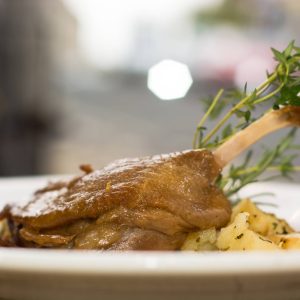
  • One duck confit leg
  • Sarladaise potatoes
  • Seasonal vegetables
  • A small salad

Arrange neatly but naturally.

The goal is rustic elegance rather than fine-dining complexity.


What Wine Goes with Duck Confit?

A good wine pairing elevates the entire meal.

Excellent choices include:

Pinot Noir

Elegant and versatile.

Cahors

A traditional southwest French pairing.

Madiran

Rich enough to match the duck’s intensity.

Bordeaux

A classic choice for French food lovers.

Côtes du Rhône

Smooth, approachable and widely available.

These wines complement the richness of the duck while maintaining balance.


Create a French Bistro Experience at Home

Duck confit is ideal for recreating a classic French bistro meal.

A simple menu could include:

Starter

Country pâté or French onion soup

Main Course

Duck confit with potatoes and green beans

Dessert

Crème brûlée or tarte Tatin

Wine

A bottle of Cahors or Pinot Noir

This style of menu feels authentic, generous and effortlessly French.


Is Duck Confit Good for Entertaining?

Absolutely.

Duck confit is one of the easiest gourmet dishes to serve to guests.

Advantages include:

  • Minimal preparation
  • Consistent results
  • Impressive presentation
  • Authentic French character

Because most duck confit is already cooked, hosts can spend more time with guests and less time in the kitchen.


Common Serving Mistakes to Avoid

To get the best results:

Don’t Overcook It

The duck is already cooked and only needs reheating.

Don’t Cover the Skin

Allowing the skin to crisp is essential.

Avoid Heavy Sauces

The duck should remain the star of the plate.

Keep Side Dishes Simple

French cooking often relies on restraint rather than excess.


Frequently Asked Questions

What is traditionally served with duck confit?

Sarladaise potatoes, green beans and a simple salad are among the most traditional accompaniments.

Should duck confit be crispy?

Yes. The skin should be crisp while the meat remains tender.

What vegetables go with duck confit?

Green beans, roasted root vegetables and braised cabbage are all excellent choices.

What wine pairs best with duck confit?

Pinot Noir, Cahors, Madiran and Bordeaux are classic pairings.

Can duck confit be served at a dinner party?

Absolutely. Its ease of preparation and impressive flavour make it ideal for entertaining.


Final Thoughts

Serving duck confit like a French chef is all about simplicity, quality and balance. Crisp the skin until golden, pair it with traditional accompaniments such as potatoes and seasonal vegetables, and pour a good French wine alongside.

The result is a meal that feels both rustic and refined—exactly the qualities that have made duck confit one of France’s most beloved culinary treasures for centuries. Whether enjoyed as a comforting family supper or the centrepiece of a dinner party, duck confit delivers a truly authentic taste of French gastronomy.

What Wine Goes with Duck Confit? | Best Wine Pairings Guide

Discover the best wines to pair with duck confit. From Pinot Noir and Bordeaux to Cahors and Rhône wines, find the perfect match for this classic French dish.

What Wine Goes with Duck Confit?

Duck confit is one of France’s most celebrated dishes, known for its rich flavour, crispy skin and meltingly tender meat. Choosing the right wine can elevate the experience even further, bringing balance, complexity and harmony to every bite.

The good news is that duck confit is wonderfully versatile when it comes to wine. Its savoury richness pairs beautifully with a range of reds and even some fuller-bodied whites, making it one of the most rewarding French dishes to match with wine.

At The Good Food Network, we often recommend looking to France’s wine regions first, as many of the country’s most famous wines were made to accompany dishes just like duck confit.


What Makes Duck Confit Different to Pair with Wine?

Duck confit offers a unique combination of characteristics:

  • Rich, savoury meat
  • Crisp, golden skin
  • Natural duck fat
  • Deep, slow-cooked flavours

A good wine pairing should have enough structure to complement the richness while retaining freshness and balance.

Generally speaking, medium to full-bodied wines work best.


Best Red Wines for Duck Confit

Pinot Noir

For many wine lovers, Pinot Noir is the perfect partner for duck.

Why it works:

  • Bright acidity
  • Soft tannins
  • Red berry fruit flavours
  • Elegant structure

The freshness of Pinot Noir cuts through the richness of the duck without overwhelming it.

A French Burgundy is the classic choice, but excellent Pinot Noirs can also be found from other regions.


Cahors

If you’re looking for a traditional southwest French pairing, Cahors is hard to beat.

Made primarily from Malbec, Cahors offers:

  • Dark fruit flavours
  • Firm structure
  • Earthy character
  • Excellent depth

Its robust style stands up beautifully to the richness of duck confit.


Madiran

Another classic wine from southwest France.

Madiran is known for:

  • Full body
  • Concentrated fruit
  • Strong structure
  • Long finish

This is an excellent choice for those who enjoy powerful red wines.


Bordeaux

A good Bordeaux provides balance and sophistication.

Particularly suitable styles include:

  • Right Bank Bordeaux
  • Merlot-dominant blends
  • Mature Bordeaux with softened tannins

The wine’s complexity mirrors the depth of flavour found in duck confit.


Côtes du Rhône

A versatile and approachable pairing.

Expect:

  • Ripe fruit
  • Spice notes
  • Moderate tannins
  • Smooth texture

Rhône wines work particularly well when duck confit is served with roasted vegetables or potatoes.


French Regional Pairings

In France, food and wine are often enjoyed together within the same region.

Duck confit originates from southwest France, making these regional wines particularly natural companions:

Cahors

Traditional and robust.

Madiran

Rich and structured.

Bergerac

Elegant and food-friendly.

Fronton

A lesser-known but excellent regional pairing.

These combinations have evolved over centuries and remain favourites among French food lovers.


Can You Pair Duck Confit with White Wine?

Yes, although red wine remains the traditional choice.

Fuller-bodied white wines can work surprisingly well.

White Burgundy

Offers:

  • Rich texture
  • Balanced acidity
  • Subtle oak influence

A particularly good choice if duck confit is served with creamy accompaniments.


Viognier

The wine’s richness and aromatic profile can complement duck without overpowering it.

Look for examples with good freshness and restraint.


What About Rosé?

A dry, structured rosé can work well during warmer months.

Particularly suitable options include:

  • Provence rosé
  • Tavel rosé

These wines offer freshness while retaining enough body to handle the richness of the duck.


Wine Pairings Based on Side Dishes

The best wine may depend on how you serve the duck.

Duck Confit with Sarladaise Potatoes

Best choices:

  • Cahors
  • Bordeaux
  • Rhône blends

Duck Confit with Lentils

Best choices:

  • Pinot Noir
  • Burgundy
  • Bergerac

Duck Confit with Root Vegetables

Best choices:

  • Rhône wines
  • Bordeaux
  • Madiran

Duck Confit with Fruit Sauces

Best choices:

  • Pinot Noir
  • Mature Burgundy
  • Lighter Bordeaux

The fruit in the wine complements the sweetness of the sauce.


Wine Pairings for Special Occasions

If you’re serving duck confit for a dinner party or celebration, consider wines with additional complexity.

Excellent premium options include:

  • Red Burgundy
  • Aged Bordeaux
  • Top-quality Cahors
  • Châteauneuf-du-Pape

These wines add a sense of occasion while complementing the dish beautifully.


Common Wine Pairing Mistakes

Wines That Are Too Light

Very light wines may be overwhelmed by the richness of duck confit.


Excessively Tannic Wines

Highly tannic young reds can dominate the dish rather than complement it.


Overly Sweet Wines

Unless specifically pairing with a fruit-based preparation, sweetness can upset the balance of the meal.


Frequently Asked Questions

What is the best wine for duck confit?

Pinot Noir is often considered the most versatile pairing, while Cahors is one of the most traditional French choices.

Is red or white wine better with duck confit?

Red wine is generally preferred, although rich white wines can work well.

Does Bordeaux pair with duck confit?

Yes. Merlot-dominant Bordeaux blends are particularly effective.

What French wine goes best with duck confit?

Cahors, Madiran, Bordeaux and Burgundy are all classic options.

Can you drink rosé with duck confit?

Yes. A dry, structured rosé can be an excellent choice, especially in warmer weather.


Final Thoughts

Duck confit is one of the most rewarding dishes to pair with wine. Its rich flavour, tender texture and crispy skin work beautifully with a wide range of wines, particularly elegant reds with good acidity and structure.

For a classic French experience, look to Cahors, Madiran, Bordeaux or Burgundy. These wines complement the depth and richness of duck confit while enhancing the qualities that have made it one of France’s most beloved culinary traditions.

Whether you’re enjoying a simple supper or hosting a gourmet dinner party, the right bottle of wine can transform duck confit from an excellent meal into an unforgettable dining experience.

How to Heat Ready-Made Duck Confit | Oven & Pan Instructions

Learn how to heat ready-made duck confit properly for crispy skin and tender meat. Step-by-step oven and pan methods, plus tips for best results.

How to Heat Ready-Made Duck Confit

Ready-made duck confit is one of the easiest ways to enjoy authentic French cuisine at home. Because the duck is already fully cooked using traditional confit methods, the final step is simply reheating it correctly to achieve the perfect balance of crispy skin and tender, flavourful meat.

With the right technique, you can turn a premium ready-made duck confit into a restaurant-quality dish in under 30 minutes.

At The Good Food Network, we recommend a few simple methods used by French chefs to get the best possible results every time.


Is Ready-Made Duck Confit Already Cooked?

Yes.

Most artisan duck confit is:

  • Salt-cured
  • Slowly cooked in duck fat
  • Fully preserved and cooked before packaging

This means your main goal is not cooking the duck, but gently reheating it while crisping the skin.


Best Way to Heat Duck Confit (Oven Method)

The oven method is the most traditional and reliable way to prepare duck confit at home.

Step-by-Step Instructions

Step 1: Preheat the Oven

Set your oven to 190–200°C (170–180°C fan).

Step 2: Prepare the Duck

Remove the duck leg from its packaging and gently scrape off excess fat (you can save this for roasting potatoes).

Step 3: Place in a Dish

Place the duck leg skin-side up in an ovenproof dish.

Do not fully submerge it in fat at this stage.

Step 4: Heat

Roast for 20–30 minutes, depending on size.

Step 5: Crisp the Skin

For extra crispness, you can increase the temperature slightly for the final 5 minutes.


Result

  • Crisp, golden skin
  • Tender, juicy meat
  • Rich, traditional French flavour

This method gives the most authentic result.


How to Heat Duck Confit in a Pan (Quick Method)

The pan method is ideal if you want a faster finish or extra crisp skin.

Step-by-Step Instructions

Step 1: Preheat a Pan

Use a non-stick or heavy frying pan over medium heat.

Do not add oil.

Step 2: Place Duck Skin-Side Down

Place the duck leg skin-side down in the pan.

Step 3: Crisp the Skin

Cook for 5–8 minutes, allowing the skin to become golden and crisp.

Step 4: Warm Through

Turn the duck over and heat for a further 3–5 minutes.


Result

  • Very crispy skin
  • Quick preparation
  • Slightly more rustic finish

This is a favourite method in many French bistros.


Can You Microwave Duck Confit?

Technically yes, but it is not recommended for best results.

Microwaving will:

  • Heat the meat quickly
  • But soften the skin
  • Reduce crispness

If you do use a microwave, it is best to finish the duck in a hot oven or pan to restore texture.


How Do You Know When Duck Confit Is Ready?

Duck confit is ready when:

  • The meat is hot throughout
  • The skin is golden and crisp
  • The fat has gently rendered

You should be able to easily pull the meat away from the bone.


Should You Use the Duck Fat?

Yes—absolutely.

One of the secrets of French cooking is the use of reserved duck fat.

You can use it to:

  • Roast potatoes
  • Fry vegetables
  • Add flavour to sauces

It is highly prized in traditional French kitchens.


What Temperature Should Duck Confit Be Served At?

Duck confit should be served:

  • Hot
  • With crispy skin
  • Fresh from the oven or pan

Avoid letting it sit too long before serving, as the skin may soften.


Best Tips for Perfect Duck Confit Every Time

1. Always Start Skin-Side Up (Oven Method)

This helps the skin crisp naturally.

2. Don’t Overcrowd the Pan

Give each piece space for even crisping.

3. Use High Heat at the End

A short blast of heat improves texture.

4. Save the Fat

Duck fat is a key part of French cooking.

5. Keep It Simple

Let the quality of the duck speak for itself.


What to Serve with Duck Confit

Once heated, duck confit pairs beautifully with:

  • Sarladaise potatoes
  • Green beans
  • Lentils
  • Roast vegetables
  • Fresh green salad

These simple sides balance the richness of the dish.


What Wine Goes with Duck Confit?

Classic pairings include:

  • Pinot Noir
  • Cahors
  • Madiran
  • Bordeaux
  • Côtes du Rhône

These wines complement the richness and depth of flavour.


Frequently Asked Questions

Is duck confit already cooked?

Yes. It is fully cooked and only needs reheating.

What is the best way to heat duck confit?

The oven method gives the most traditional result, while the pan method creates extra crispness.

Can you overcook duck confit?

Yes. Overheating can dry out the meat, so gentle reheating is best.

Do you need oil to cook duck confit?

No. It already contains natural fat.

Can you make duck skin crispy again?

Yes. High oven heat or pan frying will restore crispness.


Final Thoughts

Heating ready-made duck confit is simple, but the method you choose makes a big difference to the final result. Whether you prefer the gentle, even finish of the oven or the crisp, fast method of the pan, the goal is always the same: golden skin, tender meat and rich, authentic French flavour.

With just a few minutes of preparation, you can enjoy one of France’s most iconic dishes exactly as it was intended—comforting, indulgent and effortlessly delicious.

How Many Duck Confit Legs Per Person? | Serving Guide

Find out how many duck confit legs you need per person. Simple serving guide for appetites, dinner parties, and gourmet French meals.

How Many Duck Confit Legs Do You Need Per Person?

One of the most common questions when planning a French-style meal is how much duck confit to serve per guest. Because duck confit is rich, satisfying and traditionally served with sides, portion size matters more than it might with lighter dishes.

The good news is that duck confit is very straightforward to portion. In most cases, one duck confit leg per person is the standard serving.

At The Good Food Network, this is the guideline we recommend for most home dining and dinner parties, but there are a few nuances depending on appetite, menu style and how the dish is served.


Standard Serving Size: 1 Duck Leg Per Person

For a classic French main course, the rule of thumb is:

  • 1 duck confit leg per adult

This works perfectly when the duck is served with:

  • Potatoes (such as Sarladaise or roast potatoes)
  • Green vegetables
  • Lentils or salad
  • A simple sauce or jus

Because duck confit is rich and flavourful, a single leg is usually more than enough for a satisfying main course.


When You Might Want More Than One Per Person

There are certain occasions where you may want to increase the portion.

1. Very Large Appetites

If you’re serving guests with hearty appetites or planning a very rustic meal, you may consider:

  • 1.5 to 2 legs per person

2. Minimal Side Dishes

If duck confit is being served with only a light accompaniment (for example, just salad), a larger portion may be appropriate.

3. Leftovers Are Desired

Duck confit keeps well and is excellent the next day in salads, sandwiches or cassoulet.


When One Duck Leg Is More Than Enough

In most cases, one leg is ideal, especially when the meal is part of a multi-course French menu.

Typical restaurant-style serving:

  • Starter (e.g. pâté, soup, or salad)
  • 1 duck confit leg
  • Side dishes
  • Dessert

Because duck confit is rich and filling, it comfortably stands as the centrepiece of the meal.


How Side Dishes Affect Portion Size

The richness of duck confit means that sides play an important role in how filling the dish feels.

Hearty Sides (1 leg per person is enough)

  • Sarladaise potatoes
  • Lentils
  • Roast potatoes
  • Cassoulet-style beans

Lighter Sides (you may want slightly more)

  • Green salad
  • Steamed vegetables
  • Light grains or couscous

The more substantial the side dishes, the more balanced a single leg will feel.


Duck Confit for Dinner Parties

For entertaining, duck confit is one of the easiest gourmet dishes to portion.

A simple guide:

  • Small dinner party (4–6 guests): 1 leg per person
  • Larger appetites: 1–1.5 legs per person
  • Buffet or sharing style: allow extra for flexibility

Because it is pre-cooked, you can easily heat additional portions without stress.


Duck Confit in French Cuisine Context

In traditional French cooking, duck confit is rarely served in oversized portions.

Instead, it is designed to be:

  • Rich rather than heavy in quantity
  • Balanced with vegetables and starches
  • Enjoyed slowly and savoured

This is why one well-prepared leg is typically enough to create a full, satisfying meal.


Can Duck Confit Be Shared?

Yes, especially if:

  • The legs are large
  • The dish is part of a tasting menu
  • Multiple meats are being served

However, in most classic French settings, duck confit is served as an individual portion.


How Much Duck Confit for Cooking Recipes?

If you’re using duck confit in dishes such as:

Cassoulet

  • 1 leg per portion is standard

Salads

  • ½ to 1 leg, shredded

Pasta or rice dishes

  • ½ to 1 leg depending on richness

Duck confit is highly versatile, so it can be stretched further when used as an ingredient.


Frequently Asked Questions

How many duck confit legs per person?

One duck leg per person is the standard serving for a main course.

Is one duck confit leg enough?

Yes, for most adults, especially when served with sides.

Can I serve two duck confit legs per person?

Yes, for large appetites or very rustic meals.

How many people does 1kg of duck confit serve?

Typically 2–4 people depending on portion size and side dishes.

Is duck confit filling?

Yes. It is rich, tender and usually very satisfying with one leg per person.


Final Thoughts

When planning how much duck confit to serve, simplicity is key. In most cases, one duck confit leg per person is the perfect portion—rich enough to satisfy, especially when paired with traditional French sides, yet not so heavy that it overwhelms the meal.

Whether you’re hosting a dinner party or enjoying a quiet gourmet supper at home, duck confit offers an easy, reliable and deeply satisfying way to bring authentic French cuisine to the table.

How to Store Duck Confit | Fridge, Freezer & Shelf Life Guide

Learn how to store duck confit properly. Discover fridge storage tips, freezing advice, shelf life guidance and how to keep duck confit fresh and safe.

How to Store Duck Confit

Proper storage is essential for maintaining the flavour, texture and safety of duck confit. Whether you’ve purchased ready-made duck confit or prepared it at home, knowing how to store it correctly ensures you can enjoy this classic French dish at its very best.

Duck confit is traditionally a preserved food, but modern packaging and refrigeration mean storage methods today are slightly different from the historic technique of storing duck under fat.

At The Good Food Network, we recommend following a few simple guidelines to keep your duck confit fresh, safe and delicious.


How Long Does Duck Confit Last?

Shelf life depends on whether the product is opened or unopened:

Unopened Duck Confit

  • Typically lasts several months in a cool refrigerator
  • Always check the manufacturer’s label for exact dates

Opened Duck Confit

  • Best consumed within 48 hours to 3 days
  • Must be kept refrigerated at all times

Once opened, exposure to air reduces shelf life significantly.


How to Store Unopened Duck Confit

Unopened duck confit should be stored:

  • In the refrigerator
  • In its original sealed packaging
  • Away from temperature fluctuations

Avoid storing it in warm areas or near the fridge door, where temperatures can vary.

For best quality, place it:

  • At the back of the fridge
  • On a lower shelf where it is coldest

How to Store Opened Duck Confit

Once opened, duck confit should be handled carefully.

Step-by-step storage:

  1. Remove only the portion you plan to use
  2. Keep remaining duck submerged in its natural fat if possible
  3. Transfer to an airtight container if needed
  4. Refrigerate immediately

The duck fat acts as a natural protective layer, helping preserve flavour and moisture.


Can You Store Duck Confit in Its Fat?

Yes—and this is the traditional method.

In classic French preservation, duck confit was:

  • Fully cooked
  • Stored under a layer of rendered duck fat
  • Kept in cool cellar conditions

Today, you can still replicate this method by ensuring the meat remains covered in fat in a sealed container.

This helps:

  • Maintain moisture
  • Preserve flavour
  • Extend shelf life slightly

Can You Freeze Duck Confit?

Yes, duck confit freezes very well.

How to freeze it properly:

  • Allow duck to cool completely
  • Place in an airtight container or freezer bag
  • Include some duck fat if possible
  • Label with the date

Freezing time:

  • Best quality within 2–3 months
  • Safe beyond that if continuously frozen

How to Defrost Duck Confit

To preserve texture and flavour:

Recommended method:

  • Defrost in the refrigerator overnight

Avoid:

  • Room temperature defrosting for long periods
  • Microwave defrosting (can affect texture)

Once defrosted, reheat gently in the oven or pan to restore crispness.


Signs Duck Confit Has Gone Bad

Although duck confit is a preserved product, it should still be checked before use.

Discard if you notice:

  • Sour or unpleasant smell
  • Slimy texture
  • Discolouration
  • Visible mould
  • Off or rancid taste

When stored correctly, these issues are rare.


Best Temperature for Storing Duck Confit

For optimal freshness:

  • Store at 0–4°C in the refrigerator
  • Keep as cold and stable as possible
  • Avoid frequent temperature changes

Cold, stable storage helps maintain both safety and quality.


Can You Store Cooked Duck Confit After Reheating?

It is not recommended.

Once duck confit has been reheated:

  • It should be eaten immediately
  • Leftovers should be discarded after serving

Reheating multiple times can affect both texture and food safety.


Traditional French Storage Method (For Context)

Historically, duck confit was stored differently:

  • Cooked duck legs were placed in earthenware pots
  • Completely covered in rendered duck fat
  • Stored in cool cellar environments

This created a natural seal that preserved the meat for weeks or even months.

While modern refrigeration has replaced this method, many artisan producers still use similar principles for flavour and authenticity.


Storage Tips for Best Quality

To get the best from your duck confit:

1. Keep it cold

Refrigerate immediately after delivery or opening.

2. Don’t remove all the fat

The fat helps protect and preserve the meat.

3. Use airtight containers

Prevents odours and drying out.

4. Label frozen portions

Helps track freshness.

5. Reheat only what you need

Avoid waste and maintain quality.


Frequently Asked Questions

How long does duck confit last in the fridge?

Unopened: several months. Opened: ideally within 2–3 days.

Can you eat duck confit cold?

It is usually served hot, but it can be eaten cold in salads if properly stored.

Can duck confit be frozen?

Yes, it freezes well for up to 2–3 months.

Should duck confit be stored in fat?

Yes, keeping it covered in fat helps preserve flavour and moisture.

Do you need to refrigerate duck confit?

Yes, always refrigerate both opened and unopened products.


Final Thoughts

Storing duck confit properly is simple but important for preserving its rich flavour and tender texture. Whether refrigerated, frozen or kept under its natural fat, the key is maintaining a cold, stable environment and handling it with care.

When stored correctly, duck confit remains one of the most reliable and long-lasting gourmet French products—ready to deliver an authentic taste of France whenever you are.

Duck Confit for Dinner Parties | Easy French Entertaining Guide

Discover why duck confit is perfect for dinner parties. Easy to serve, impressive to guests and full of rich French flavour. Entertaining tips, menus and pairing ideas.

Duck Confit for Dinner Parties and Entertaining

Duck confit is one of the easiest ways to serve a truly impressive French meal at home. Rich, flavourful and effortlessly elegant, it delivers restaurant-quality results with very little preparation, making it ideal for dinner parties and entertaining.

Unlike many “special occasion” dishes, duck confit does most of the hard work for you. Because it is traditionally slow-cooked and fully prepared in advance, all that’s left is reheating, crisping the skin and choosing the right accompaniments.

At The Good Food Network, we often recommend duck confit as the perfect centrepiece for relaxed, stress-free entertaining with a gourmet touch.


Why Duck Confit Is Perfect for Entertaining

Duck confit works so well for dinner parties because it combines flavour, convenience and presentation.

1. Minimal Cooking Stress

Most duck confit is already fully cooked, so you only need to:

  • Reheat
  • Crisp the skin
  • Plate and serve

This means you can spend more time with your guests and less time in the kitchen.

2. Consistent Results

Unlike roasting or pan-frying raw meat, duck confit is:

  • Reliable
  • Forgiving
  • Easy to finish perfectly every time

3. Restaurant-Quality Impact

Despite its simplicity, duck confit feels luxurious and special, making it ideal for entertaining.


How Much Duck Confit to Serve for Guests

For dinner parties, portioning is simple:

  • 1 duck confit leg per person (standard serving)
  • 1.5 legs per person for larger appetites or very casual dining

Because duck confit is rich, it is usually served with substantial sides, which help create a balanced plate.


Easy Dinner Party Menu Ideas

Duck confit works beautifully as the centrepiece of a French-inspired menu.

Classic French Bistro Menu

  • Starter: French onion soup or pâté with cornichons
  • Main: Duck confit with potatoes and green beans
  • Dessert: Crème brûlée or tarte Tatin

Rustic French Country Menu

  • Starter: Country terrine or salad with vinaigrette
  • Main: Duck confit with lentils and seasonal vegetables
  • Dessert: Chocolate mousse

Elegant Entertaining Menu

  • Starter: Smoked salmon or goat’s cheese salad
  • Main: Duck confit with Sarladaise potatoes
  • Dessert: Profiteroles or fruit tart

Best Side Dishes for Entertaining

The key to serving duck confit well is balance. Rich duck pairs best with simple, classic sides.

Traditional French Options

  • Sarladaise potatoes (cooked in duck fat)
  • Green beans (haricots verts)
  • Lentils with herbs and shallots
  • Braised red cabbage

Lighter Options

  • Mixed green salad with Dijon vinaigrette
  • Roasted seasonal vegetables
  • Steamed greens

A combination of one hearty and one lighter side usually works best.


How to Serve Duck Confit Like a Host

Presentation doesn’t need to be complicated.

Simple plating approach:

  • One duck leg per plate
  • A portion of potatoes or lentils
  • A green vegetable for colour
  • Optional light sauce or jus

French entertaining is more about quality and balance than elaborate presentation.


Wine for Dinner Parties with Duck Confit

A good wine pairing enhances the entire experience.

Best Red Wines

  • Pinot Noir (elegant and versatile)
  • Cahors (traditional southwest French choice)
  • Bordeaux (structured and refined)
  • Côtes du Rhône (smooth and crowd-pleasing)
  • Madiran (bold and full-bodied)

A couple of well-chosen bottles are usually enough for a group dinner.


Make-Ahead Tips for Stress-Free Hosting

One of the biggest advantages of duck confit is that it fits perfectly into a make-ahead plan.

Before guests arrive:

  • Prepare side dishes in advance
  • Set the table early
  • Open wine and decant if needed

Just before serving:

  • Reheat duck confit in the oven
  • Crisp the skin for 20–30 minutes
  • Warm plates if possible

This allows you to serve a hot, freshly finished dish with minimal last-minute effort.


Common Entertaining Mistakes to Avoid

Overcomplicating the menu

Duck confit is rich—simple sides are best.

Overcrowding the plate

Let the duck remain the star.

Overcooking during reheating

It only needs to be heated through and crisped.

Forgetting balance

Always include something fresh or acidic, like salad or greens.


Why Guests Love Duck Confit

Duck confit consistently impresses guests because it offers:

  • Deep, rich flavour
  • Tender, melt-in-the-mouth texture
  • Crispy golden skin
  • A sense of occasion

It feels indulgent without being fussy, which is exactly what makes it so effective for entertaining.


Frequently Asked Questions

Is duck confit good for dinner parties?

Yes. It is one of the easiest and most impressive dishes for entertaining.

How far in advance can I prepare duck confit?

It can be pre-portioned and stored ahead of time, then simply reheated before serving.

What is the best side dish for duck confit at a dinner party?

Sarladaise potatoes, lentils or green beans are classic choices.

How many duck confit legs do I need for guests?

One per person is usually perfect.

Can duck confit be served buffet-style?

Yes, it works very well for relaxed buffet or sharing-style dining.


Final Thoughts

Duck confit is one of the most reliable and rewarding dishes for dinner parties and entertaining. Its combination of rich flavour, easy preparation and elegant presentation makes it ideal for hosting without stress.

With just a few simple sides and a good bottle of French wine, you can create a memorable dining experience that feels both authentic and indulgent—proof that great entertaining doesn’t need to be complicated.

Duck Confit for Christmas & Special Occasions | Festive French Dining

Discover why duck confit is perfect for Christmas and special occasions. Easy to prepare, rich in flavour and ideal for festive entertaining and gourmet celebrations.

Duck Confit for Christmas and Special Occasions

Duck confit is a standout choice for Christmas and special occasions, offering a rare combination of festive indulgence, effortless preparation and classic French elegance. Rich, tender and full of flavour, it brings a touch of restaurant-quality dining to the table without the stress of traditional roast centrepieces.

At The Good Food Network, duck confit is one of our most recommended dishes for festive entertaining—especially when you want something impressive, but easy to serve.


Why Duck Confit Works So Well for Christmas

Christmas meals are often associated with long cooking times, complicated timing and high pressure in the kitchen. Duck confit removes all of that stress.

1. Minimal Effort, Maximum Impact

Most duck confit is already fully cooked, meaning you simply:

  • Reheat in the oven
  • Crisp the skin
  • Serve with festive sides

It looks and tastes like a fine-dining dish, but requires very little preparation.


2. Perfect for Stress-Free Hosting

Because the duck is already prepared, you can focus on:

  • Spending time with guests
  • Preparing sides in advance
  • Enjoying the occasion yourself

It is one of the easiest luxury main courses for Christmas entertaining.


3. Rich and Festive Flavour

Duck confit naturally suits winter dining thanks to its:

  • Deep, savoury richness
  • Crispy golden skin
  • Slow-cooked depth of flavour
  • Comforting texture

It feels indulgent and celebratory without being heavy or overwhelming.


How to Serve Duck Confit at Christmas

Duck confit pairs beautifully with traditional festive ingredients and classic French sides.

Classic Christmas-style accompaniments:

  • Roast potatoes or duck fat potatoes
  • Braised red cabbage with apple
  • Green beans or Brussels sprouts
  • Lentils with herbs and shallots
  • Chestnut purée

These sides create a perfect balance between richness and seasonal freshness.


Festive Menu Ideas with Duck Confit

Duck confit works beautifully as the centrepiece of a Christmas menu.

Elegant Christmas Dinner Menu

  • Starter: Smoked salmon or foie gras with toast
  • Main: Duck confit with potatoes and winter vegetables
  • Dessert: Yule log or chocolate fondant

Rustic French Christmas Menu

  • Starter: French onion soup
  • Main: Duck confit with lentils and red cabbage
  • Dessert: Apple tart or crème brûlée

Modern Festive Menu

  • Starter: Beetroot and goat’s cheese salad
  • Main: Duck confit with roasted root vegetables
  • Dessert: Panettone or spiced poached pears

How Much Duck Confit to Serve at Christmas

For festive meals, the standard portion remains simple:

  • 1 duck confit leg per person (main course)
  • 1.5 legs for very hearty appetites or buffet-style dining

Because Christmas meals often include multiple courses, one leg is usually ideal.


Best Wine for Christmas Duck Confit

Duck confit pairs beautifully with classic French reds, especially during winter.

Best choices include:

  • Pinot Noir (elegant and versatile)
  • Bordeaux (structured and refined)
  • Cahors (traditional and bold)
  • Côtes du Rhône (warm and spiced)
  • Madiran (rich and full-bodied)

These wines complement the richness of the duck while enhancing the festive feel of the meal.


Make-Ahead Advantage for Christmas

One of the biggest benefits of duck confit at Christmas is preparation flexibility.

You can:

  • Prepare all side dishes in advance
  • Set the table early
  • Reheat duck confit just before serving
  • Finish with crisp skin in the oven

This creates a relaxed hosting experience, even for larger gatherings.


Why Duck Confit Feels Special for Celebrations

Duck confit has a natural sense of occasion because it offers:

  • Authentic French heritage
  • Restaurant-quality flavour
  • Luxurious texture and richness
  • A sense of indulgence and tradition

It feels festive without needing elaborate preparation or presentation.


Common Mistakes to Avoid at Christmas

Overcomplicating the menu

Duck confit is rich—simple sides work best.

Overcooking during reheating

It only needs to be warmed through and crisped.

Forgetting balance

Always include something fresh or acidic, like salad or greens.


Frequently Asked Questions

Is duck confit good for Christmas dinner?

Yes. It is one of the easiest and most impressive festive main courses.

Can duck confit replace turkey?

Yes. It is a popular alternative for smaller or gourmet Christmas meals.

Can you prepare duck confit in advance?

Yes. It can be reheated just before serving, making it ideal for entertaining.

What sides go best with festive duck confit?

Roast potatoes, red cabbage, lentils and seasonal vegetables are all excellent choices.

Is duck confit too rich for Christmas?

It is rich, but balanced perfectly when served with traditional vegetables and sides.


Final Thoughts

Duck confit is a perfect choice for Christmas and special occasions because it delivers everything a festive meal should: rich flavour, elegant presentation and a sense of indulgence—without the stress of complicated cooking.

Whether you’re hosting a large family gathering or an intimate Christmas dinner, duck confit allows you to serve something truly special while enjoying the celebration yourself. It is classic French comfort food at its finest, made for moments worth remembering.

Is Duck Confit Healthy? Nutrition, Fat, and What You Need to Know

If you’re searching for whether duck confit is healthy, you’re probably weighing up indulgence versus nutrition—and wondering if this classic French dish can fit into a balanced diet.

The short answer is: duck confit can absolutely be enjoyed as part of a healthy lifestyle when eaten in moderation, especially when compared to many ultra-processed ready meals. The key is understanding what it is, how it’s made, and how it fits into your overall diet.


What Is Duck Confit Made Of?

Traditional duck confit (confit de canard) is one of the simplest recipes in French cuisine:

  • Duck legs
  • Salt
  • Duck fat (for slow cooking and preservation)

That’s it.

There are no artificial preservatives, no additives, and no hidden ingredients. The duck is slowly cooked in its own fat until tender, then preserved, which helps lock in flavour and texture.


Is Duck Confit High in Fat?

Yes—duck confit is naturally rich in fat, because:

  • Duck is a fatty meat compared to chicken or turkey
  • It is traditionally cooked and preserved in duck fat

However, not all fats are the same. Duck fat contains a mix of:

  • Monounsaturated fats (similar to olive oil)
  • Saturated fats (in moderate amounts)

Like many traditional European foods, it is rich rather than processed, which is an important distinction.


Is Duck Confit Healthy or Unhealthy?

Duck confit is best understood as a gourmet, nutrient-dense indulgence food, not a low-calorie everyday protein.

Why it can be part of a balanced diet:

  • High in protein
  • Made from simple, natural ingredients
  • No ultra-processed additives in traditional versions
  • Satisfying and nutrient-dense, so smaller portions are enough

Why moderation matters:

  • Higher in calories than lean meats
  • Rich in fat content
  • Best enjoyed as part of a balanced meal rather than in large portions

Health Perspective: Traditional Food vs Processed Food

One of the most important points is this:

Duck confit is a traditional preservation method, not a processed modern food.

Unlike many ready meals or processed meats, authentic confit is:

  • Minimally processed
  • Naturally preserved using fat and salt
  • Free from artificial preservatives (in traditional versions)

This makes it closer to other heritage foods like cured meats, aged cheeses, or pâté—foods designed for flavour, enjoyment, and balance rather than low-calorie eating.


How to Make Duck Confit “Lighter”

If you want to enjoy duck confit in a more balanced way:

  • Serve with fresh green salad and vinaigrette
  • Pair with lentils or vegetables instead of heavy sides
  • Remove excess fat after cooking if preferred
  • Stick to a single duck leg portion

This allows you to enjoy the richness while balancing the meal overall.


Is Duck Confit Good for Special Occasions?

Absolutely. Duck confit is ideal for:

  • Weekend dinners
  • Dinner parties
  • French-themed meals
  • Celebrations and entertaining

It is a speciality dish, not an everyday staple—and that’s part of its appeal.


Why People Still Choose Duck Confit

Despite being rich, duck confit remains popular because:

  • It is deeply satisfying and flavourful
  • A small portion goes a long way
  • It feels like a restaurant-quality experience at home
  • It delivers authentic French culinary tradition

For many people, it is about quality over quantity.


Final Verdict

Duck confit is not a “diet food,” but it is also not an unhealthy processed product.

It sits firmly in the category of traditional gourmet cuisine—rich, satisfying, and best enjoyed as part of a balanced lifestyle.

If you enjoy high-quality food and value flavour, duck confit is one of the most rewarding French dishes you can bring to your table.

Also of interest...

Warm Duck Confit Salad Recipe

Warm Duck Confit Salad

Peter Jacobs

This dish is a great summer treat or a brilliant starter for Christmas day. Duck Confit Salad is a real taste of France which can easily be prepared with the minimum of fuss which will either wow dinner party guests or simply be enjoyed yourself.

5 Best Wine Pairings For Duck Confit

Martin Nolan

Pairing wine with Duck Confit can be a tricky affair, and making the wrong choice can ruin the experience of this delectable French delicacy. However, choosing the right wine can create an unforgettable fusion of flavours, balancing the richness of the duck with fresh, acidic notes.    So, what are […]

Duck Confit La Belle Chaurienne 800g - Two Portion Tins Of Duck Confit From Castelnaudary. Each tin contains two duck legs.

How To Prepare Duck Confit From A Tin?

Christian

When spending all day with French foods, it’s easy to take some things for granted, like how to prepare certain French dishes. Duck confit from a tin is just one example. We are often getting asked ‘What do I do with my duck confit from a tin?’ We have had […]

Customer Reviews

Average Customer Rating

Excellent Service

Our cassoulet has arrived safely. Very much looking forward to it and thanks again for your excellent service.

Perfect Delivery

The goods arrived in perfect order together with delectable shortbread, for which thanks also. Keep up the good work.

Well Packed

Thank you for the carefully packed order, received today as promised.

Thank You For Extras

Everything has arrived plus extra salted caramel chocolates as well as shortbread!! Merci beaucoup!

Lovely Looking Fine Foods

Thank you again. The products look good and we will enjoy trying them all.

Good Communication

Thank you so much for taking the time to respond to my inquiry, I appreciate it very much.

Exceptional Caviar

I had to write to you after what I just experienced. There is no exaggeration on this whatsoever it was beyond exceptional! If I could eat 125 grams now I would it is that good.

Fabulous Foie Gras

We consumed the fabulous foie gras last night between three. Very piggy, considering it was 280g. Such a treat.

Kind Touch

Thank you for your warm, kind message. It was very much appreciated. The Marron Glace were enjoyed Christmas Day with great enthusiasm.

Excellent Range

Everything I’ve had from you has always been amazing ... and I was telling everyone who I got it from.

Prompt Reply

Many thanks for such a super prompt reply, and especially at this time of year.

Long Term Customer Relationships

You could not be more kind and generous. I feel you run things in a totally faultless way. You have very positive reviews!

Fine food news

Sign up to our newsletter

Be the first to hear about our special offers, recommendations and new fine foods!

You can unsubscribe anytime. For more details, review our Privacy Policy.

Gourmet French Food Online
  • About
  • Delivery, Payment & Returns Information
  • Newsletter
  • Contact
  • Terms and Conditions
  • Privacy Statement (UK)
  • Cookie Policy (UK)
  • Disclaimer
  • Site Map

The Good Food Network Ltd
Edgeborough Way
Bromley
Kent
BR1 2UA
United Kingdom

info@thegoodfoodnetwork.co.uk

Secured by

Opayp - Formerly Sagepay

Pay using

© Copyright: The Good Food Network 2026. eCommerce Design & Build: Pad Creative. This site uses cookies. You can read how we use them in our Privacy Policy