Best Cheeses To Have With Caviar
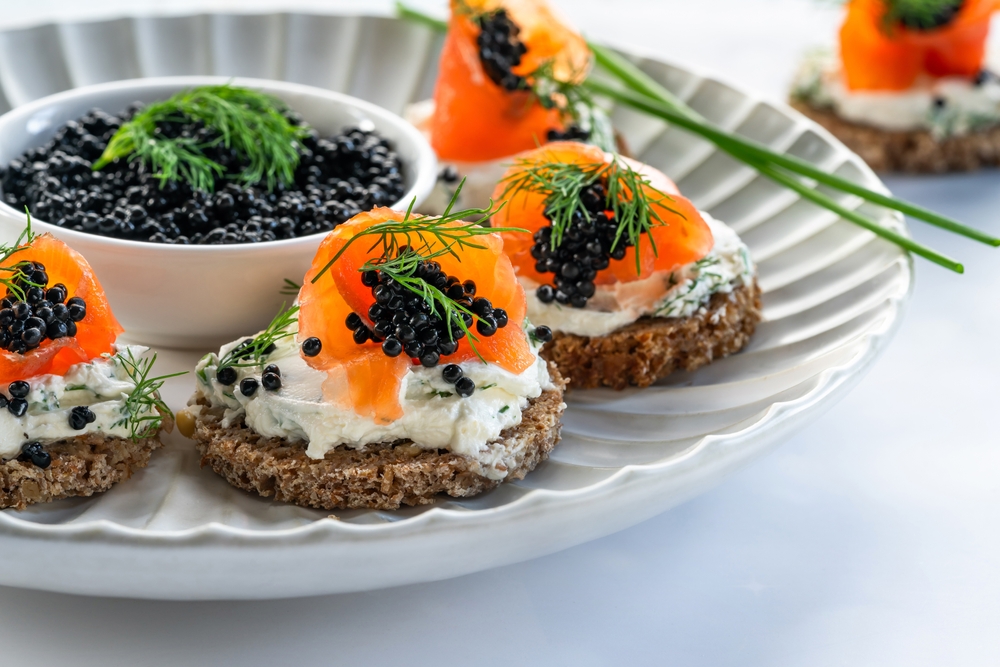
The marriage of cheese and caviar might seem unconventional at first glance. After all, caviar is traditionally served on blinis with crème fraîche, or simply atop mother-of-pearl spoons to preserve its delicate flavour. Yet the pairing of fine cheese with premium caviar creates a sophisticated tasting experience that elevates both ingredients, revealing unexpected flavour harmonies that delight the palate.
Understanding how to pair cheese with caviar requires finesse and knowledge. The wrong combination can overwhelm the subtle nuances of either ingredient, whilst the right pairing creates a symphony of complementary flavours and textures. Whether you’re planning an elegant dinner party, creating a luxury tasting menu, or simply exploring new ways to enjoy your caviar collection, this guide will help you navigate the delicious world of cheese and caviar pairings.

Understanding the Art of Pairing Cheese with Caviar
Before we explore specific pairings, it’s essential to understand the fundamental principles that make cheese and caviar work together harmoniously.
The Caviar Profile
Caviar brings several distinctive characteristics to any pairing. The delicate, briny pearls offer a burst of oceanic flavour with buttery undertones, a luxurious creamy texture, and varying levels of intensity depending on the variety. Different types of caviar each possess unique flavour profiles: beluga offers mild elegance, oscietra provides nutty complexity, and sevruga delivers a bolder, more assertive taste.
The texture of caviar is equally important. Each pearl should burst delicately on the palate, releasing its flavours without being overwhelmed by other ingredients.
Cheese should complement rather than overpower the caviar’s subtle notes. Texture matters significantly; creamy, spreadable cheeses work differently than firm, aged varieties. The salt content also requires attention, as both cheese and caviar carry saltiness that must be balanced. Finally, the fat content affects how flavours meld on the palate, with higher-fat cheeses creating richer combinations.
The Golden Rules of Pairing
Balance is paramount. Neither the cheese nor the caviar should dominate; instead, they should enhance each other’s finest qualities. Texture contrast often succeeds – a creamy cheese against those firm caviar pearls creates an interesting mouthfeel. Avoid strong competing flavours such as heavily smoked cheeses or those with dominant herbs that might mask the caviar’s delicacy. Consider temperature – both cheese and caviar should be served slightly chilled but not ice-cold to allow their flavours to fully express themselves.
The Best Cheese and Caviar Pairings
Crème Fraîche
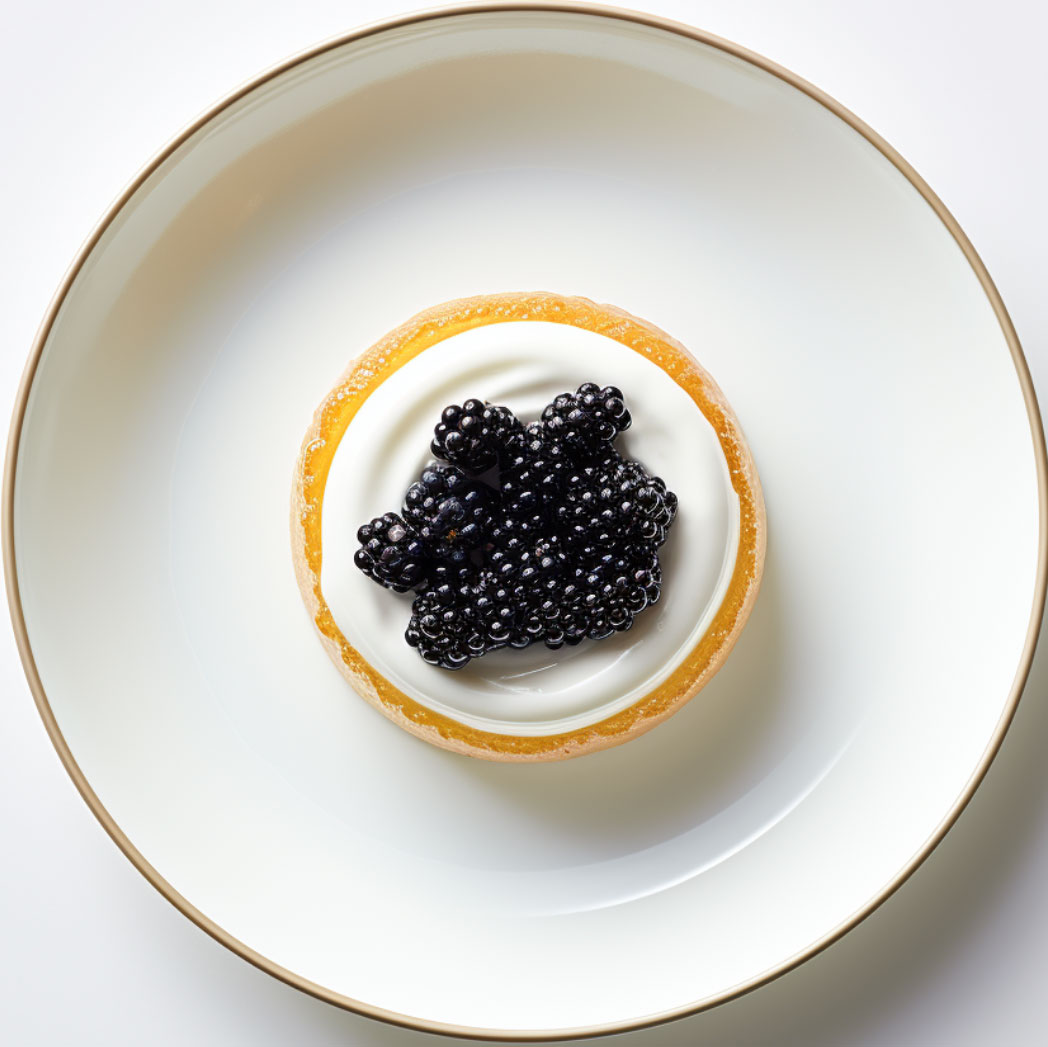
Whilst technically a cultured cream rather than a cheese, crème fraîche deserves the top spot in any caviar pairing discussion. This is the time-honoured accompaniment for excellent reason.
- Why it works: Crème fraîche offers a subtle tanginess that brightens caviar’s richness without competing with its flavour. The smooth texture provides the perfect bed for caviar, and its mild acidity enhances its briny sweetness.
- Best with: All caviar varieties, but particularly with beluga caviar, where it allows the caviar’s subtle complexity to shine.
- Serving suggestion: Spread a generous layer of chilled crème fraîche on a blini or small toast point, then top with a careful spoonful of caviar. The simplicity is sublime.
Fresh Goat Cheese (Chèvre Frais)
Young, fresh goat cheese brings a bright, clean flavour profile that pairs beautifully with caviar’s oceanic notes.
- Why it works: Fresh chèvre offers a pleasant tang without being overpowering, a creamy but not heavy texture, and a bright white colour that creates visual appeal against dark caviar pearls.
- Best with: Oscietra caviar particularly benefits from this pairing. The nutty complexity of oscietra finds a perfect partner in the fresh, slightly grassy notes of young goat cheese.
- Serving suggestion: Spread fresh goat cheese on cucumber rounds or delicate crackers, top with oscietra caviar, and finish with the finest snip of fresh chives.
Mascarpone
This rich Italian cream cheese might seem indulgent, but its subtle sweetness makes it an unexpectedly excellent caviar companion.
- Why it works: Mascarpone’s extreme creaminess creates a luxurious mouthfeel, whilst its mild sweetness provides contrast to caviar’s salinity. The neutral flavour profile allows the caviar to remain the star, and its spreadable consistency makes it practical for canapés and elegant presentations.
- Best with: Works with sevruga caviar, whose bolder flavour can stand up to mascarpone’s richness.
- Serving suggestion: Create elegant layered canapés by spreading mascarpone on toasted brioche, adding a thin slice of cucumber for freshness, then top with sevruga caviar.
Fromage Blanc
This fresh cheese sits somewhere between yoghurt and cream cheese, offering a blank canvas for caviar’s complexities.
- Why it works: Fromage blanc has a mild tanginess that enhances without overpowering, a lighter texture than cream cheese that won’t overwhelm delicate caviar, and versatility that works in both simple and complex presentations. Its French heritage makes it a natural pairing.
- Best with: Excellent with all caviar varieties, making it a safe choice when serving multiple caviars for comparison.
- Serving suggestion: Try our caviar cream cheese dip recipe using fromage blanc as the base for a slightly lighter version. Serve with crudités or delicate crackers.
Ricotta
Fresh ricotta cheese offers a subtle sweetness and fluffy texture that can beautifully complement caviar when handled correctly.
- Why it works: Ricotta’s gentle flavour doesn’t compete with caviar’s subtlety. The light, slightly grainy texture provides interesting contrast to smooth caviar pearls, whilst its mild sweetness balances briny notes. The cheese’s ability to incorporate other flavours makes it versatile for creative presentations.
- Best with: Pairs well with Baerii caviar from our house selection.
- Serving suggestion: Whip fresh ricotta with a touch of lemon zest and sea salt. Spread on thin crostini, top with caviar, and garnish with micro herbs for an elegant appetiser.
Aged Comté
Whilst most cheese and caviar pairings favour mild, fresh cheeses, aged Comté represents a successful exception to the rule, though it requires careful handling.
- Why it works: Aged Comté’s nutty, complex flavour profile can echo similar notes in certain caviars. The firm texture provides striking contrast, and the crystalline crunch from aged cheese creates interesting textural play. However, this pairing requires very small amounts of cheese.
- Best with: Only attempt this with robust oscietra or sevruga varieties that can hold their own against the cheese’s intensity.
- Serving suggestion: Cut thin shavings of well-aged Comté. Place a small amount on a neutral cracker, add caviar sparingly, and serve as a sophisticated contrast to milder pairings. This works best as one element in a varied caviar tasting board.
Cheeses to Avoid with Caviar
Understanding what doesn’t work is as important as knowing what does. Here are cheeses that generally clash with caviar:
- Blue cheeses – Roquefort, Stilton, Gorgonzola, and their ilk are far too assertive. Their pungent flavour and mould notes completely overwhelm caviar’s subtlety. Save your blue cheese for port.
- Strong washed-rind cheeses – Époisses, Taleggio, and similar varieties have powerful, funky flavours that fight against caviar rather than complementing it. The aromatic compounds in these cheeses compete too aggressively.
- Heavily smoked cheeses – Smoked flavours dominate the palate and mask caviar’s delicate oceanic notes entirely. The smoke simply overpowers everything.
- Extra-aged hard cheeses – Whilst aged Comté can work in careful circumstances, extremely aged Parmesan, aged Cheddar, or ancient Gouda are too intense and their crystalline texture is too firm to work well with caviar.
- Herbed or flavoured cheeses – Cheeses embedded with herbs, peppers, or other strong flavourings create too much competition on the palate. The caviar simply gets lost.
Creating the Perfect Cheese and Caviar Board
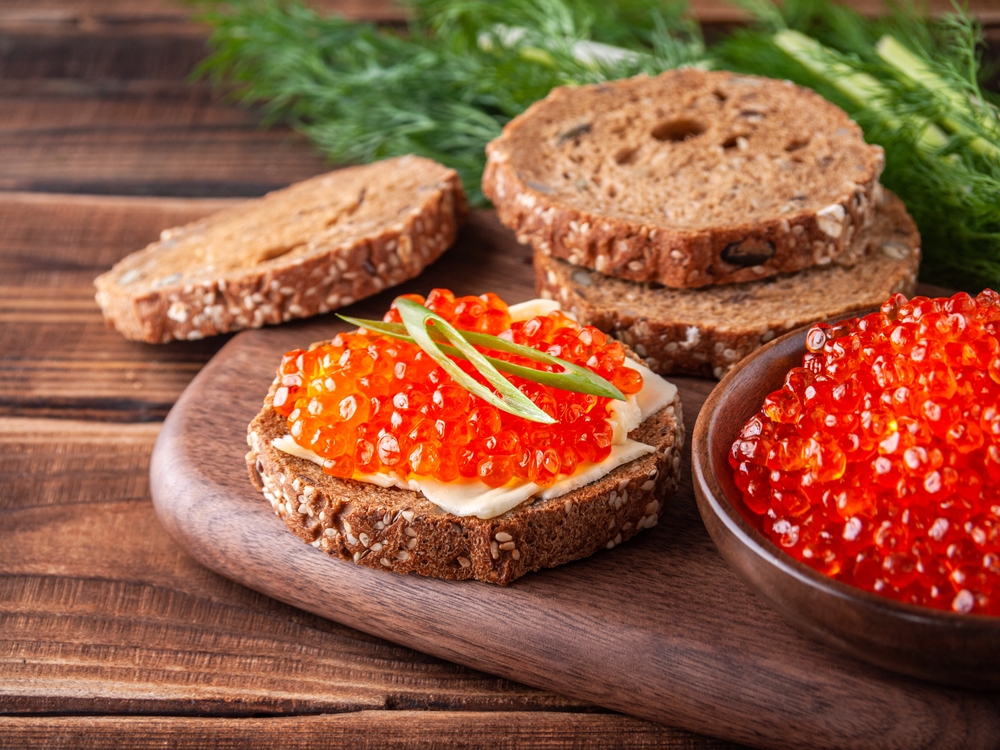
If you’re hosting a gathering and want to showcase cheese and caviar pairings, a well-curated board offers both visual appeal and a range of tasting experiences.
Selecting Your Components
- Caviar selection: Choose two to three different caviar varieties to showcase contrasts. Perhaps pair a delicate beluga with a more robust oscietra and a house selection Baerii for variety.
- Cheese selection: Offer three to four complementary cheeses of varying textures. A classic lineup might include crème fraîche, fresh goat cheese, mascarpone, and perhaps a small amount of aged Comté for adventurous guests.
- Accompaniments: Provide neutral vehicles like blinis, unsalted crackers, thinly sliced baguette toasts, and cucumber rounds. These allow guests to build their own combinations without imposing strong flavours.
- Garnishes: Keep it simple with finely minced shallots, fresh chives, lemon wedges, and perhaps some capers on the side for those who enjoy them.
Presentation Matters
- Keep everything cold but not frozen. Caviar should be nested in ice to maintain optimal temperature, whilst cheeses should be slightly chilled but not refrigerator-cold to allow their flavours to emerge.
- Use proper serving utensils. As we discuss in our guide to mother-of-pearl spoons, metal can impart unwanted flavours to caviar. Use mother-of-pearl, bone, or wooden utensils for serving.
- Arrange thoughtfully. Place caviars in individual small bowls surrounded by complementary cheeses, with accompaniments and garnishes arranged accessibly around the perimeter. Provide small individual plates so guests can compose their tastings.
- Include tasting notes. Small cards describing each caviar variety and suggested pairings help guests navigate the experience, especially if they’re new to caviar appreciation.
Beyond Cheese: Complementary Luxury Pairings
Whilst cheese offers wonderful pairing opportunities, caviar’s versatility extends to other luxury ingredients that create memorable tasting experiences.
- Foie gras: The pairing of caviar and foie gras represents the pinnacle of luxury dining. The rich, buttery texture of duck foie gras or goose foie gras provides an indulgent counterpoint to caviar’s briny pearls. Try a thin slice of foie gras mi-cuit on toasted brioche topped with a small amount of your finest caviar for an unforgettable amuse-bouche.
- Smoked salmon: Whilst not cheese, this classic pairing deserves mention as it often appears alongside cheese on luxury tasting boards. The subtle smoke of quality salmon complements caviar beautifully, creating a double-fish experience that works surprisingly well. See our guide to caviar and smoked salmon canapés for preparation ideas.
- Luxury terrines and pâtés: Our range of French pâtés and terrines can create interesting contrasts with caviar. A smooth duck liver pâté or a seafood terrine might work on a luxury tasting board, though as with aged cheese, less is more.
Wine and Champagne: The Essential Accompaniment
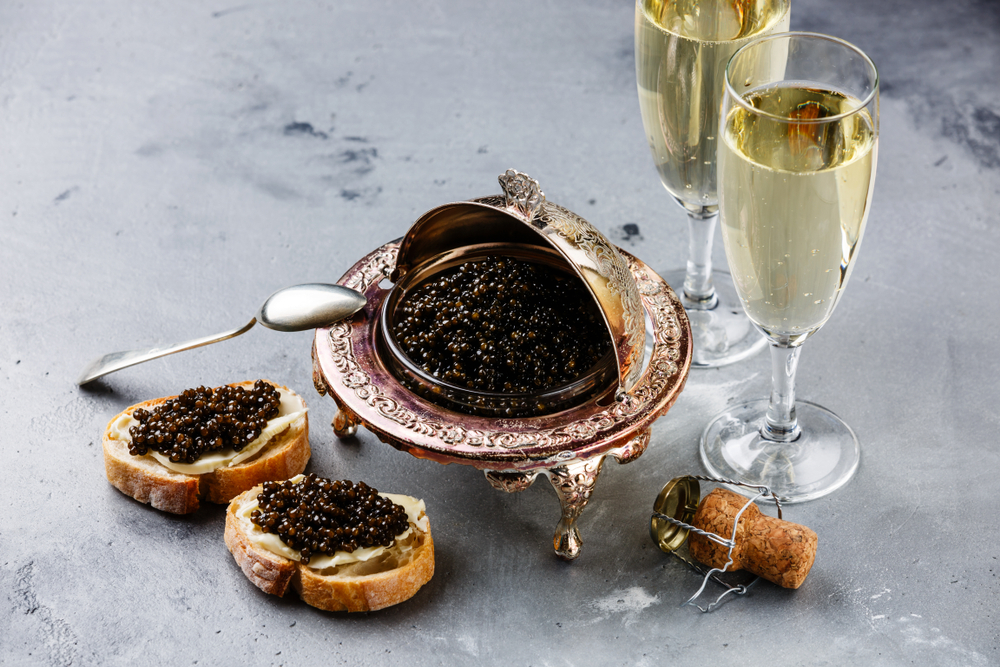
No discussion of cheese and caviar pairings would be complete without including wine pairings. The right drink elevates the entire experience.
- Champagne reigns supreme: Brut champagne, particularly Blanc de Blancs, remains the classic caviar accompaniment. The acidity cuts through richness whilst the effervescence cleanses the palate between bites. The subtle toast and citrus notes complement both cheese and caviar beautifully. Explore our guide to champagne and caviar pairings for detailed recommendations.
- Vodka for traditionalists: Serve premium vodka very cold for a traditional Russian pairing. The clean, neutral spirit provides a palate-cleansing counterpoint without competing with flavours.
- Dry white wines: Chablis, Sancerre, or other crisp, unoaked white wines work well, particularly when serving cheese alongside caviar. The minerality in these wines echoes caviar’s oceanic character.
- What to avoid: Skip oaked Chardonnays, sweet wines, red wines, and anything heavily flavoured. These compete too aggressively with the delicate balance you’re trying to achieve.
Practical Tips for Serving
Portion Control
- For canapés: Use approximately one-quarter teaspoon of caviar per bite-sized serving. This provides adequate presence without overwhelming other ingredients or breaking the bank.
- For tasting boards: Plan on 15-30 grams of caviar per person depending on whether it’s an appetiser or part of a larger tasting menu. Cheese quantities can be more generous.
Temperature Management
- Remove caviar from refrigeration 10-15 minutes before serving to allow flavours to develop, but keep it nestled in ice during service to prevent spoilage. Cheese should come to slightly below room temperature – about 15-18°C – to allow its flavours to fully emerge without becoming oily.
Make-Ahead Planning
- Prepare cheese spreads and canapé bases several hours ahead, but add caviar only at the last possible moment. The delicate eggs can become mushy if they sit too long on moist bases. Set up your serving board completely except for the caviar, which should be added with proper ceremony just as guests arrive.
The Bottom Line
Pairing cheese with caviar represents the intersection of two of gastronomy’s finest traditions. When done thoughtfully, these combinations create tasting experiences that elevate both ingredients beyond what either could achieve alone.
The secret lies in respect for the delicate nature of caviar. Choose mild, creamy cheeses that complement rather than compete. Consider texture as carefully as flavour. Serve everything at the proper temperature. And most importantly, allow the quality of your ingredients to shine through without overcomplication.
Whether you’re creating elegant canapés for a dinner party, composing a luxury tasting board for special guests, or simply exploring new ways to enjoy your premium caviar collection, these pairing principles will guide you to success.
Remember that personal preference plays a role in any tasting experience. Use these guidelines as a starting point, but don’t be afraid to experiment and discover your own favourite combinations. The joy of luxury ingredients lies partly in the exploration and partly in the discovery of what pleases your particular palate.
So select your finest caviar, choose complementary cheeses with care, and prepare to embark on a tasting journey that celebrates the best of what both land and sea have to offer. The combinations await your discovery.
For more inspiration, discover what to eat with caviar and explore our collection of easy caviar dishes.