
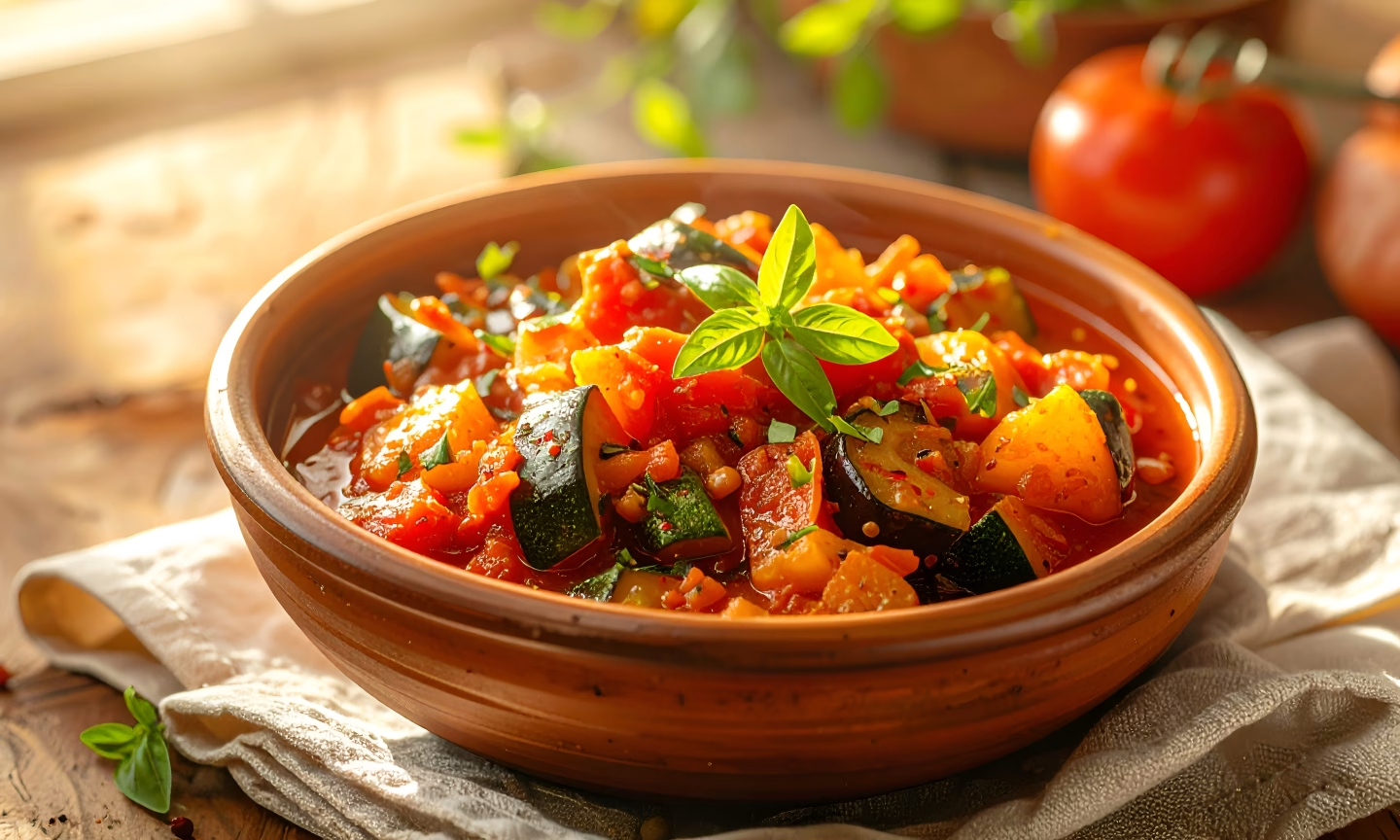
The Ultimate Ratatouille Guide: Classic Recipe, History & Variations
Ratatouille is one of France’s best-loved vegetable dishes — a slow-cooked medley of aubergine, courgette, peppers and tomatoes that turns a handful of humble vegetables into something genuinely special. This guide covers everything you need to know: what ratatouille actually is, where it comes from, a classic step-by-step recipe, what to serve alongside it, and a few variations worth trying, from a warming ratatouille soup to lighter, vegan-friendly takes.
What Is Ratatouille?
At its simplest, ratatouille is a French vegetable stew made from aubergine, courgette, peppers, tomatoes, onion and garlic, slow-cooked together with olive oil and herbes de Provence until soft and richly flavoured. The name comes from the Occitan word ‘ratatolha’, roughly meaning ‘to stir up’ or ‘toss together’ — a fitting description for a dish that’s traditionally more about technique than a fixed list of ingredients.
It’s often mistaken for an Italian dish thanks to its resemblance to caponata or a rustic tomato sauce, but ratatouille is unmistakably French, hailing from the Provence region in the south of the country. It can be served hot or cold, as a main course, as one of our traditional French starters, or even spooned over toast.
Where Does Ratatouille Come From? A Brief History
Ratatouille has its roots in the farms and kitchens of Nice and the wider Provence region, where it developed as a practical way to use up a glut of summer vegetables. The dish, as we recognise it today, is generally traced back to the 18th century, when Provençal farmers combined whatever aubergine, courgette, peppers and tomatoes were ripening at once into a single, slow-cooked pot.
Traditional Niçoise ratatouille cooks each vegetable separately before combining them, so every ingredient keeps its own texture and flavour rather than dissolving into a single sauce — a detail that separates an authentic Provençal ratatouille from quicker, one-pot versions. It’s also earned its place as one of the classic Bastille Day dishes, and remains one of the clearest examples of Provence’s wider cooking philosophy: simple, seasonal vegetables, treated with care.
Classic Ratatouille Recipe (Step-by-Step)
This version stays close to the traditional method while keeping things approachable for a home kitchen. It serves four as a main, or six as a side.
- Prep time20 minutes
- Cook time45 minutes
- Servings4 servings
- Difficultyeasy
Ingredients
- 2 courgettes, sliced
- 2 aubergines, diced
- 1 red pepper, sliced
- 1 yellow pepper, sliced
- 4 tomatoes, chopped (or 1 tin of chopped tomatoes)
- 1 large onion, sliced
- 3 garlic cloves, crushed
- 3 tbsp olive oil, plus extra for cooking
- 1 tsp herbes de Provence
- Salt and black pepper, to taste
- A handful of fresh basil, to serve (optional)
Method
- Prepare the vegetables. Wash and chop the aubergine, courgette, peppers, onion and tomatoes into similarly sized pieces so everything cooks evenly.
- Cook the base. Heat the olive oil in a large, heavy-based pan. Soften the onion and garlic over a medium heat for 3–4 minutes, then add the peppers and cook for a further 5 minutes.
- Add the remaining vegetables. Stir in the aubergine, courgette and tomatoes, along with the herbes de Provence, a good pinch of salt and pepper.
- Simmer gently. Cover and cook on a low heat for 30–40 minutes, stirring occasionally, until the vegetables are tender but still holding their shape. Taste and adjust the seasoning.
- Serve. Finish with torn basil leaves and a drizzle of olive oil, and serve warm or at room temperature.
What to Serve with Ratatouille
Ratatouille is flexible enough to sit alongside almost anything. For a simple supper, serve it with crusty bread to mop up the juices, or spoon it over rice, couscous or soft polenta to turn it into a more substantial meal. It also works well as a side dish for grilled or roasted meats and fish — try it with grilled chicken, white fish or a herby leg of lamb. For a vegetarian main, top it with a poached or fried egg, or serve with a generous handful of grated cheese stirred through while it’s still warm.
Ratatouille Variations (Soup, Vegan & Healthy Takes)
Ratatouille is naturally vegan, vegetarian and gluten-free, which makes it an easy dish to adapt depending on what you’re after.
- Ratatouille soup: blend a batch of cooked ratatouille with a little vegetable stock for a warming, silky soup — perfect for using up leftovers.
- Lighter version: roast the vegetables in the oven with a light spray of oil instead of frying them in the pan, then combine with the tomato base for a lower-fat take on the classic.
Naturally vegan, vegetarian and gluten-free as standard: because ratatouille is built entirely from vegetables, herbs and olive oil, it fits all three diets without any substitutions needed — just double check any bread or cheese served alongside it.